

Brushing every day is a great habit—but what if your gums still bleed while brushing or flossing? Many people assume it’s normal, but bleeding gums are a warning sign that something isn’t quite right with your oral health.
At The Specialist Dentist, Barasat, we often see patients who are confused or worried about gum bleeding despite maintaining a daily brushing routine. Let’s break down why this happens, what it means, and how you can fix it.
Poor Brushing Technique
Even if you brush daily, how you brush makes all the difference. Using too much pressure or a hard-bristled brush can hurt your gums instead of helping them.
Common brushing mistakes include:
- Brushing too hard or with a stiff toothbrush
- Skipping flossing or mouthwash
- Not brushing along the gumline properly
- Rushing the process (less than two minutes)
What to do:
- Use a soft-bristled toothbrush
- Brush gently in circular motions
- Spend at least two minutes brushing
- Don’t forget to floss daily to remove plaque between teeth
Transitioning to better brushing habits can often stop gum bleeding within a few weeks.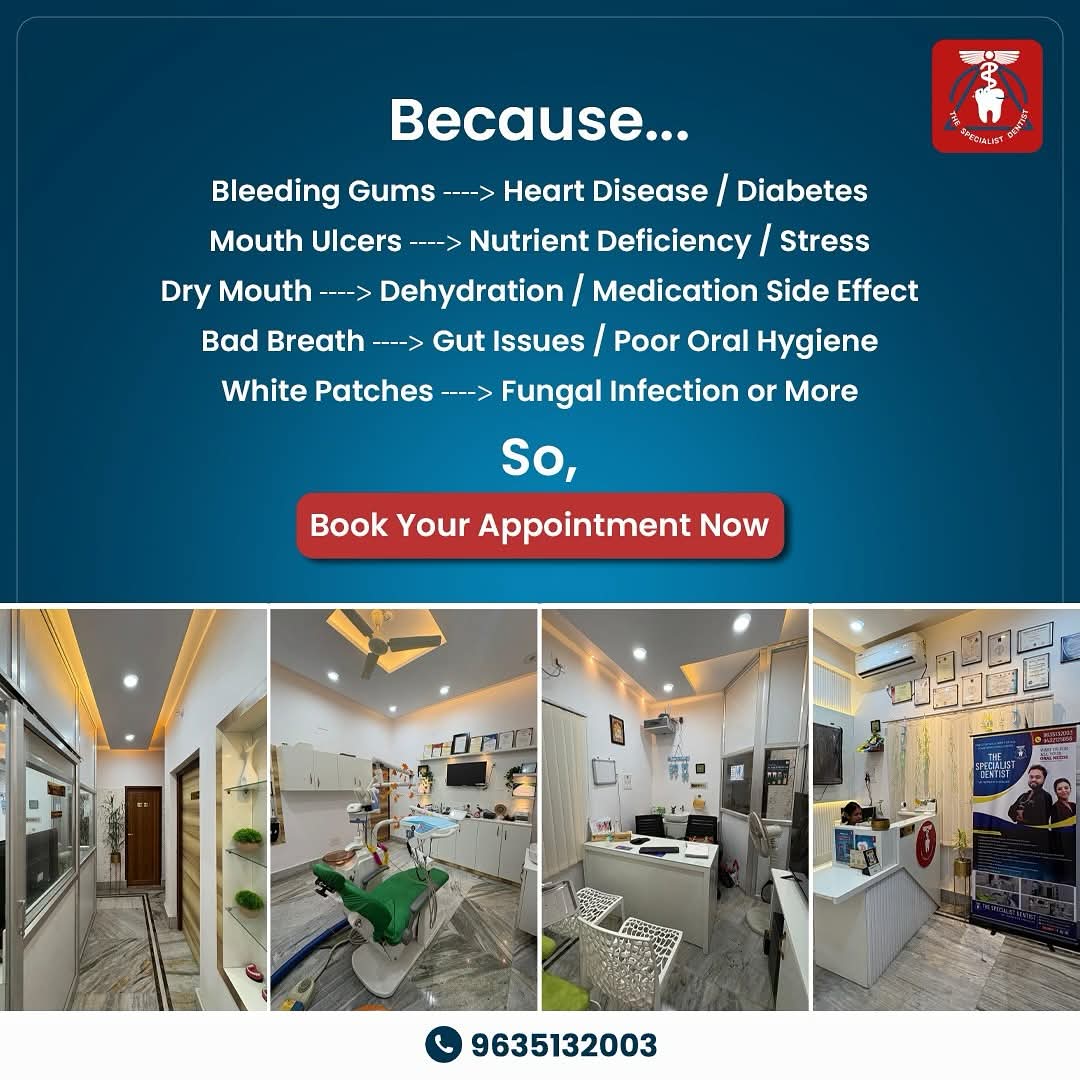
🦠 2. Plaque and Gum Disease
If your gums bleed even with regular brushing, the main culprit could be plaque buildup. Plaque is a sticky film of bacteria that forms on your teeth every day. When not removed properly, it hardens into tartar, leading to gingivitis—the first stage of gum disease.
Symptoms of gingivitis:
- Swollen or red gums
- Bleeding while brushing or flossing
- Bad breath that doesn’t go away
- Tenderness around the gumline
If untreated, gingivitis can progress to periodontitis, a severe gum infection that can cause tooth loss.
What helps:
Regular professional dental cleaning every six months is the best way to remove tartar and prevent gum disease.
🧬 3. Vitamin Deficiencies
Your diet plays a major role in gum health. Deficiencies in certain vitamins can make gums more prone to bleeding.
Key nutrients that protect your gums:
- Vitamin C: Strengthens gum tissues and fights inflammation
- Vitamin K: Helps your blood clot normally
- Iron: Prevents anemia, which can make gums pale and weak
Include citrus fruits, leafy greens, and iron-rich foods in your daily meals. A balanced diet keeps both your body and mouth healthy.

💊 4. Certain Medications
Some medicines can increase gum bleeding, even if your oral hygiene is perfect.
Common culprits:
- Blood thinners (used for heart conditions)
- Antihypertensives (for blood pressure)
- Antidepressants
- Birth control pills
These medications can affect how your gums respond to plaque and make them bleed more easily. Always inform your dentist about any medications you’re taking.
👶 5. Hormonal Changes
Hormonal fluctuations—especially during pregnancy, puberty, menstruation, or menopause—can make gums more sensitive and prone to bleeding.
During these times, your body reacts differently to plaque bacteria, which can cause inflammation. This is known as “pregnancy gingivitis” or “hormonal gingivitis.”
What to do:
- Stick to a consistent oral care routine
- Visit your dentist regularly for gentle cleanings
- Use an alcohol-free mouthwash
🚬 6. Smoking and Alcohol
Smoking reduces blood flow to your gums and weakens your immune response, making it harder for your gums to heal. Similarly, alcohol dries out your mouth, encouraging bacterial growth.
Over time, this can lead to:
- Persistent gum inflammation
- Tooth discoloration
- Bad breath
- Gum recession
Quitting smoking and limiting alcohol can dramatically improve gum health and reduce bleeding.

🧼 7. Skipping Dental Visits
Even if you brush and floss every day, home care isn’t enough to remove hardened plaque (tartar). Only a professional dentist can remove it safely.
At The Specialist Dentist, we recommend:
- Dental cleaning every 6 months
- Full gum checkup once a year
- Scaling and polishing for deep cleaning
These preventive visits keep your gums strong and stop problems before they get serious.
When to See a Dentist
If your gums bleed occasionally, it might be due to brushing too hard. But if it happens frequently or daily, it’s time to see a dentist.
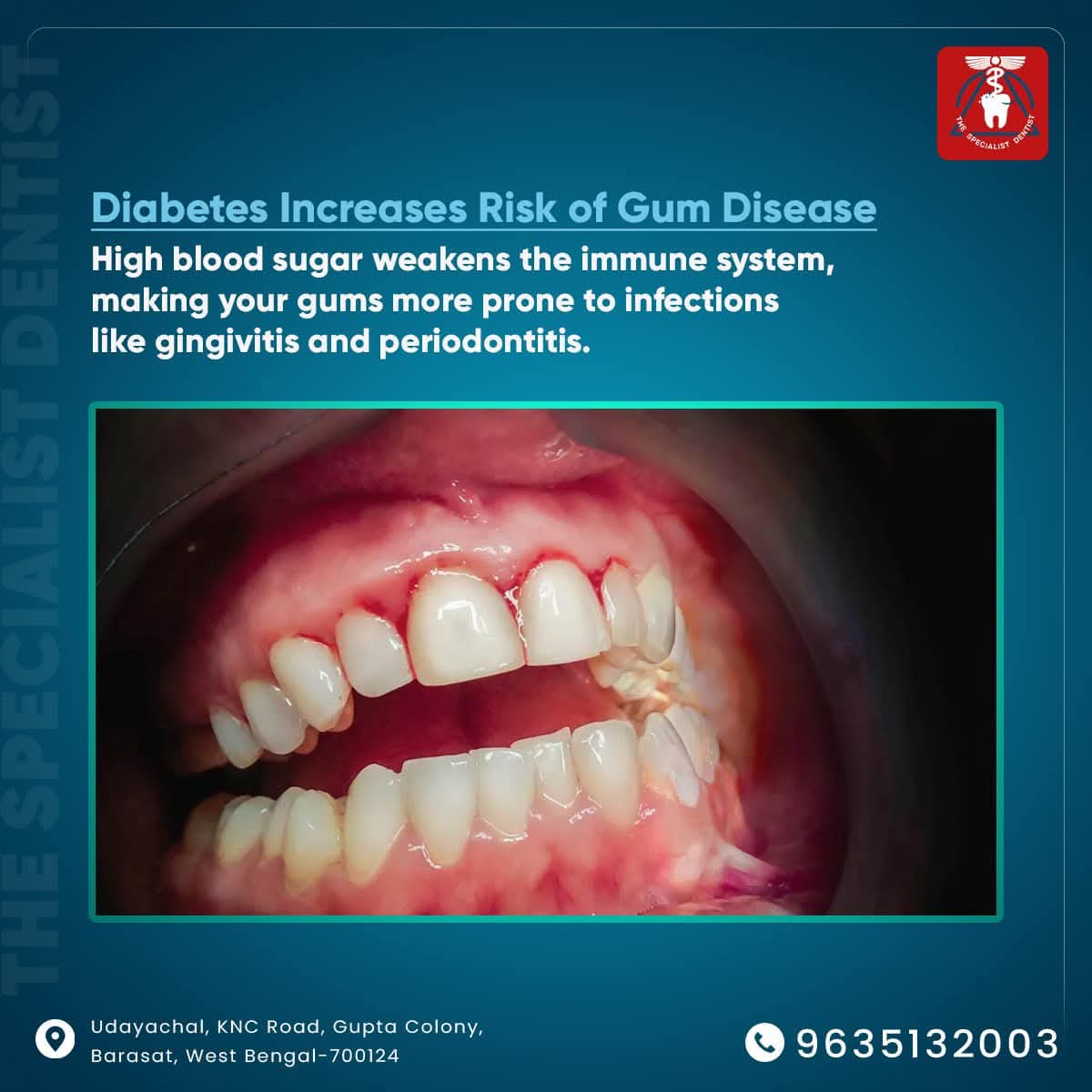
Book an appointment immediately if you notice:
- Continuous gum bleeding
- Swollen, red, or receding gums
- Pus or bad taste in your mouth
- Loose teeth
Early diagnosis can save your gums—and your smile—from further damage.
Treatment Options at The Specialist Dentist
At our Barasat clinic, we provide comprehensive gum care treatments, including:
- Professional dental cleaning and scaling
- Gum disease therapy
- Deep cleaning (root planing)
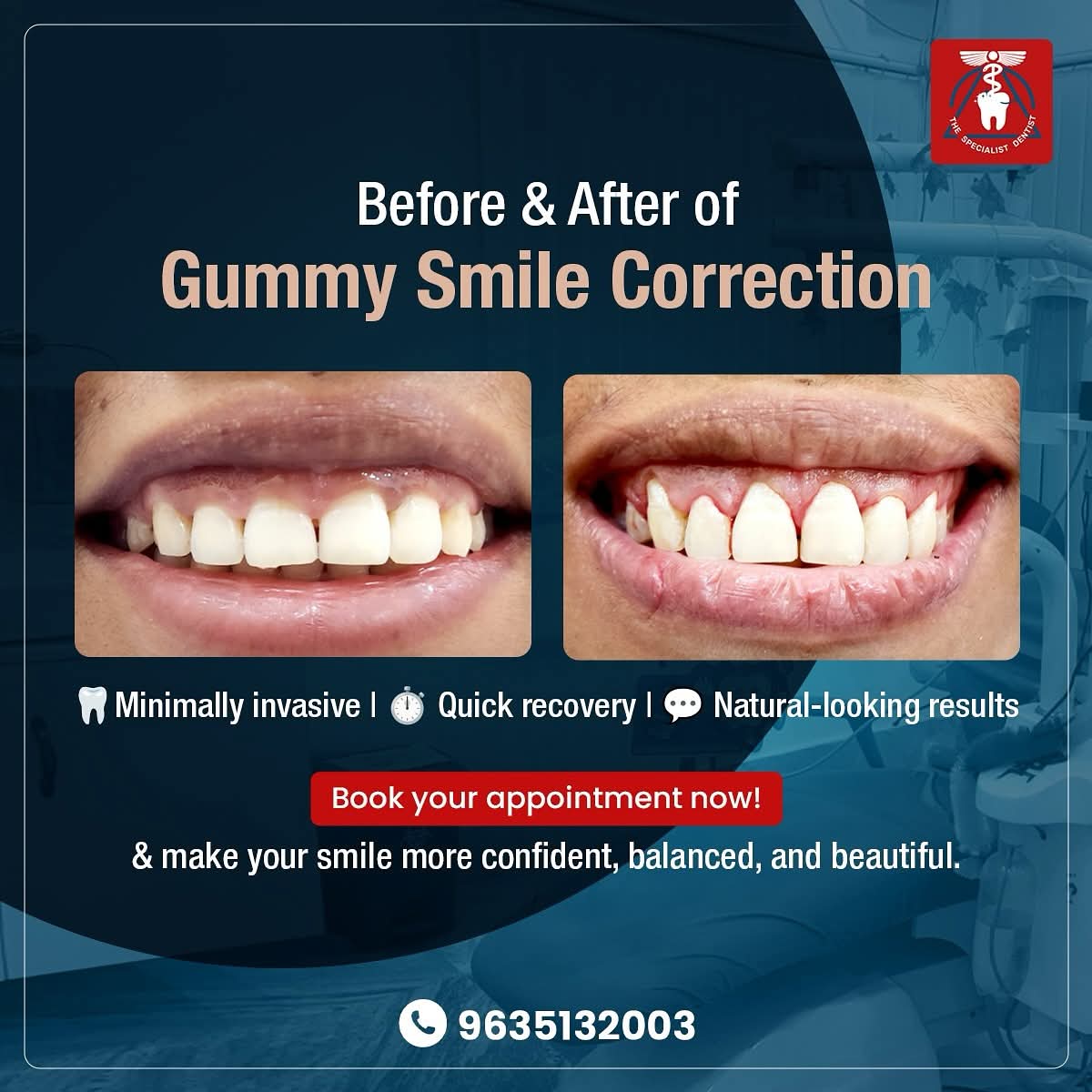
- Laser-assisted gum treatments
- Nutritional counseling for gum health
Our team ensures a gentle and comfortable experience while treating the root cause of gum bleeding.
How to Prevent Gum Bleeding
Here are simple daily habits that can protect your gums:
✅ Brush gently twice a day
✅ Floss at least once daily
✅ Use a fluoride toothpaste
✅ Eat vitamin-rich foods
✅ Stay hydrated
✅ Avoid smoking
✅ Visit your dentist every 6 months
About The Specialist Dentist
At The Specialist Dentist, located in Udayachal, KNC Road, Gupta Colony, Barasat – 700124, we specialize in advanced dental treatments for all ages. From gum therapy and tooth restoration to cosmetic dentistry and preventive care—your oral health is our priority.
Ready to Take Action?
Bleeding gums are not normal—and they can be reversed with the right care. Don’t ignore the signs your mouth is giving you.
Book your appointment today:
📍 The Specialist Dentist
Udayachal, KNC Road, Gupta Colony, Barasat – 700124
📞 9635132003
🌐 www.thespecialistdentist.in
Your smile deserves the best care—and we’re here to help you keep it healthy, every day!