

Can Stress Affect Your Teeth? The Surprising Link Between Stress and Oral Health
Introduction
Life can become stressful for almost everyone. Whether it is work pressure, family responsibilities, financial concerns, or unexpected challenges, stress has become a part of modern life. While many people know that stress can affect the heart, sleep, or mental health, very few realize that it can also harm their teeth and gums.
So, can stress affect your teeth? The answer is yes. Stress can have a significant impact on your oral health. It may cause teeth grinding, jaw pain, gum problems, dry mouth, and even increase the risk of tooth damage. In many cases, people are unaware that stress is the real reason behind their dental discomfort.
Moreover, stress can make people neglect their daily oral hygiene routine. Missing regular brushing, skipping dental appointments, or choosing unhealthy eating habits during stressful times can further increase the risk of dental problems.
Understanding the connection between stress and oral health is the first step toward protecting your smile. In this article, you will learn how stress affects your teeth, the warning signs to watch for, available treatment options, and why professional dental care plays an important role in maintaining long-term oral health.

What Is the Link Between Stress and Oral Health?
Stress is the body’s natural response to physical or emotional challenges. During stressful situations, your body releases hormones like cortisol and adrenaline. These hormones help you react quickly during emergencies. However, when stress continues for weeks or months, it can begin to affect many parts of your body, including your mouth.
Your oral health is closely connected to your overall health. Therefore, long-term stress can weaken your immune system, increase inflammation, reduce saliva production, and trigger unconscious habits such as clenching or grinding your teeth.
In addition, stress may reduce your motivation to maintain good oral hygiene. As a result, plaque builds up more easily, increasing the chances of cavities and gum disease.
Although stress itself does not directly damage the teeth, the habits and physical changes it causes can lead to serious dental problems if left untreated.
How Does Stress Affect Your Teeth?
Many people ask, “Can stress affect your teeth even if you brush regularly?” Surprisingly, yes. Good oral hygiene is essential, but stress-related habits and physical responses can still cause damage.
Teeth Grinding (Bruxism)
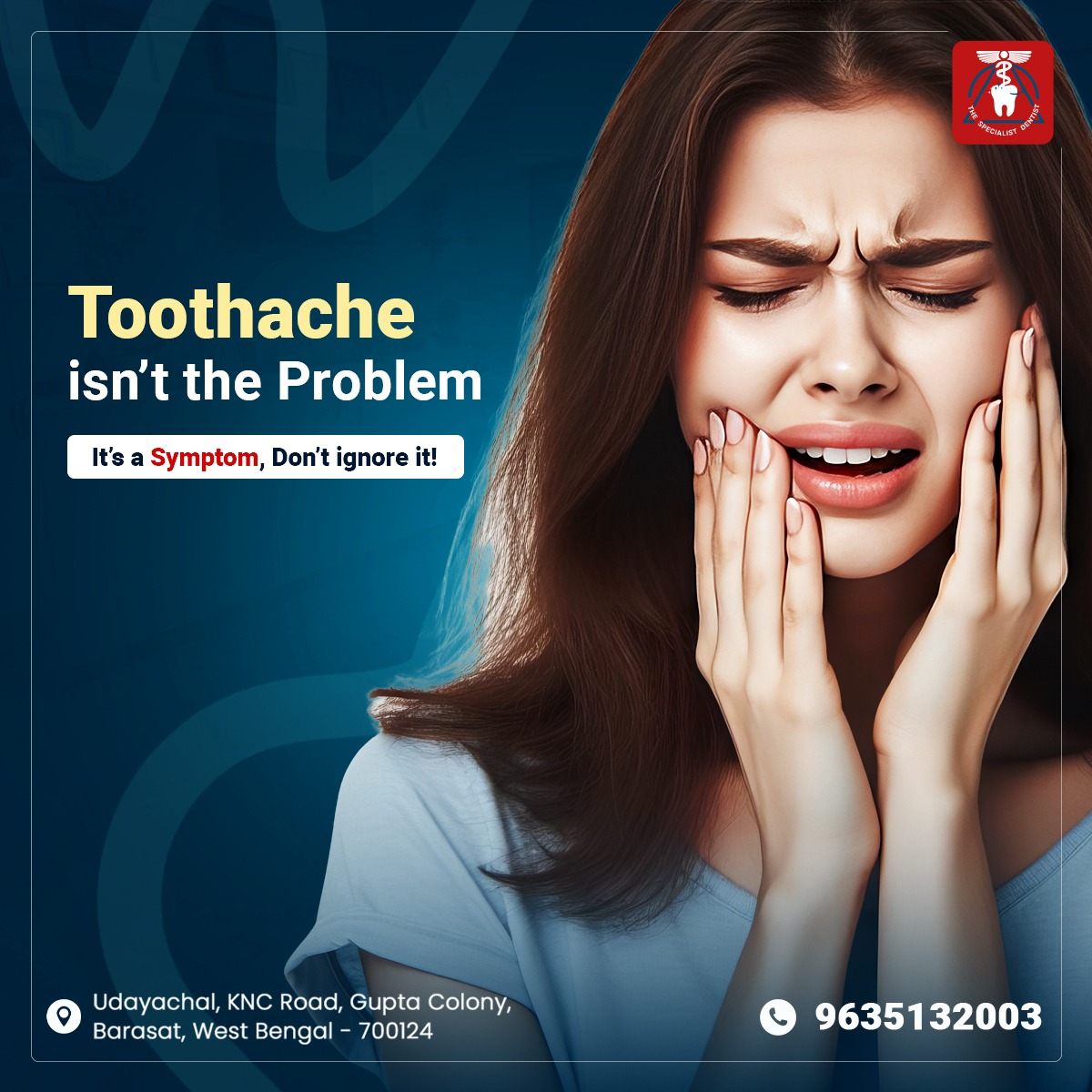
One of the most common effects of stress is bruxism, also known as teeth grinding. Many people grind or clench their teeth during sleep without realizing it.
Over time, grinding can:
- Wear down tooth enamel
- Cause tooth sensitivity
- Create small cracks in teeth
- Lead to chipped or broken teeth
- Cause headaches
- Result in jaw pain
Because this habit often happens while sleeping, many patients only discover it during a dental examination.
Jaw Clenching
Some people do not grind their teeth but constantly clench their jaws throughout the day.
This continuous pressure puts excessive force on the teeth and jaw joints. Consequently, it may cause muscle soreness, facial pain, and difficulty opening the mouth comfortably.
Dry Mouth
Stress can reduce saliva production.
Saliva plays an important role because it:
- Washes away food particles
- Neutralizes harmful acids
- Protects tooth enamel
- Helps prevent tooth decay
Therefore, when saliva decreases, bacteria can grow more easily, increasing the risk of cavities and bad breath.
Gum Problems
Chronic stress may weaken the immune system, making it harder for the body to fight bacteria.
As a result, the gums become more vulnerable to inflammation and infection.
People experiencing stress may notice:
- Swollen gums
- Red gums
- Bleeding while brushing
- Gum tenderness
If not treated early, these symptoms may progress to gum disease.
Delayed Healing
Stress also slows the body’s healing process.
Therefore, patients recovering from dental surgery, tooth extraction, or gum treatment may experience slower healing when stress levels remain high.
Common Symptoms of Stress-Related Dental Problems
Recognizing the symptoms early can help prevent more serious complications.
Some common warning signs include:
- Frequent headaches
- Jaw pain
- Clicking sounds while opening the mouth
- Worn or flattened teeth
- Tooth sensitivity
- Chipped or cracked teeth
- Neck or facial muscle pain
- Bleeding gums
- Dry mouth
- Bad breath
- Pain while chewing
- Difficulty opening the mouth fully
Moreover, some people wake up with sore jaws or headaches every morning without realizing that nighttime teeth grinding is the cause.
Main Causes of Stress-Related Oral Health Issues
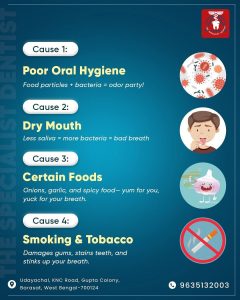
Stress affects each person differently. However, several common factors increase the risk of dental problems.
Emotional Stress
Work deadlines, relationship problems, financial worries, or major life changes can trigger continuous stress.
Consequently, people may begin clenching or grinding their teeth without noticing.
Poor Sleep
Stress often interferes with sleep quality.
Poor sleep increases muscle tension and makes nighttime teeth grinding more likely.
Reduced Oral Hygiene
During stressful periods, daily routines often become less consistent.
People may:
- Skip brushing
- Forget to floss
- Delay dental checkups
- Ignore early symptoms
As a result, oral health gradually worsens.
Unhealthy Lifestyle Habits
Stress may also encourage unhealthy habits that negatively affect oral health.
These include:
- Increased sugar consumption
- Frequent snacking
- Smoking
- Excessive alcohol consumption
These habits create an environment where bacteria grow more easily, increasing the risk of tooth decay and gum disease.
Risk Factors
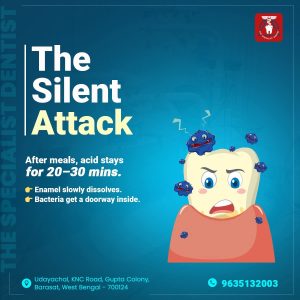
Although anyone can experience stress-related dental issues, certain people are more likely to develop them.
Risk factors include:
- High-pressure jobs
- Students during examination periods
- Parents managing multiple responsibilities
- People with anxiety disorders
- Individuals with poor sleep quality
- Smokers
- People who already have gum disease
- Patients with untreated bite problems
- Individuals with a history of teeth grinding
Furthermore, people experiencing long-term emotional stress are generally at greater risk of chronic oral health problems.
Why Early Diagnosis Matters
Early diagnosis can prevent minor dental problems from becoming serious and expensive conditions.
For example, mild teeth grinding may only require a protective night guard and regular monitoring. However, if ignored, the same condition can eventually lead to broken teeth, damaged dental restorations, severe jaw pain, and even tooth loss.
Similarly, early gum inflammation is much easier to treat than advanced periodontal disease. Professional dental examinations help identify signs of stress-related damage before permanent problems develop.
In addition, your dentist can recognize wear patterns on your teeth that you may never notice yourself. This allows treatment to begin before extensive damage occurs.
Therefore, regular dental checkups are one of the most effective ways to protect your smile during stressful periods.
Treatment Options
Stress-related dental problems require professional diagnosis and treatment. Since every patient is different, your dentist will recommend a treatment plan based on the condition of your teeth, gums, and jaw.
The goal is not only to repair any existing damage but also to prevent future problems caused by ongoing stress.
Comprehensive Dental Examination
The first step is a detailed dental evaluation.
During your visit, the dentist may:
- Examine your teeth for signs of grinding or clenching
- Check for worn enamel or chipped teeth
- Assess the health of your gums
- Evaluate your bite and jaw alignment
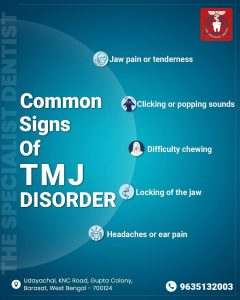
- Look for symptoms of temporomandibular joint (TMJ) disorders
This thorough assessment helps identify the exact cause of your symptoms and guides the most suitable treatment plan.
Custom Night Guards
If you grind your teeth during sleep, your dentist may recommend a custom-made night guard.
Unlike over-the-counter products, a professionally fitted night guard is designed specifically for your mouth. It helps:
- Protect tooth enamel from further wear
- Reduce pressure on the jaw joints
- Minimize headaches caused by grinding
- Lower the risk of chipped or fractured teeth
- Improve sleeping comfort
Moreover, a custom appliance offers a better fit and greater comfort than generic alternatives.
Treatment for Damaged Teeth
If stress has already damaged your teeth, restorative dental treatments may be necessary.
Depending on the severity of the damage, your dentist may recommend:
- Tooth-colored dental fillings
- Dental bonding
- Dental crowns
- Veneers in selected cases
- Replacement of damaged restorations
These treatments restore both the appearance and function of your teeth while protecting them from additional wear.
Professional Gum Disease Treatment
If stress has contributed to gum inflammation or periodontal disease, early treatment is essential.
Professional care may include:
- Deep dental cleaning
- Scaling and root planing
- Periodontal therapy
- Regular maintenance visits
Treating gum disease promptly helps preserve healthy gums and reduces the risk of tooth loss.
Management of TMJ Disorders
Long-term clenching can affect the temporomandibular joint (TMJ), leading to discomfort and restricted jaw movement.
Depending on your condition, your dentist may recommend:
- Bite adjustment when appropriate
- Custom oral appliances
- Monitoring jaw function
- Referral to another healthcare professional if needed
Early management often helps relieve symptoms before they become more severe.
Benefits of Professional Dental Treatment
Professional dental care offers far more than temporary relief. It helps protect your smile for years to come.
Some important benefits include:
- Early detection of stress-related dental damage
- Protection against further enamel wear
- Reduced risk of broken or cracked teeth
- Healthier gums through professional care
- Improved comfort while chewing and speaking
- Better jaw function
- Long-term preservation of natural teeth
- Personalized treatment plans based on individual needs
Furthermore, regular dental visits allow your dentist to monitor changes over time and adjust treatment whenever necessary.
Prevention Tips
Although stress cannot always be avoided, you can reduce its impact on your oral health through consistent professional care and healthy habits.
Here are some effective prevention strategies:
Maintain Excellent Oral Hygiene
Brush your teeth twice a day using fluoride toothpaste.
In addition, floss daily to remove plaque between teeth where a toothbrush cannot reach.
Consistent oral hygiene helps reduce the risk of cavities and gum disease.
Attend Regular Dental Checkups
Routine dental examinations are one of the best ways to detect early signs of stress-related dental problems.
Your dentist can identify:
- Tooth wear
- Gum inflammation
- Bite problems
- Early cracks
- Signs of nighttime grinding
As a result, treatment can begin before the condition worsens.
Wear a Dentist-Prescribed Night Guard
If you have been diagnosed with teeth grinding, wearing your custom night guard every night can significantly reduce damage.
Using it consistently protects your teeth and helps relieve pressure on the jaw.
Stay Hydrated
Stress may contribute to dry mouth.
Drinking enough water throughout the day supports saliva production, which plays an important role in protecting teeth from decay.
Choose a Tooth-Friendly Diet
A balanced diet supports both general and oral health.
Try to limit sugary foods and acidic drinks, as they increase the risk of cavities, especially if dry mouth is also present.
Manage Stress in Healthy Ways
Managing stress benefits your overall wellbeing as well as your oral health.
Healthy stress-management strategies may include:
- Regular physical activity
- Good sleep habits
- Relaxation techniques
- Professional mental health support when needed
Although these approaches do not replace dental treatment, they can help reduce behaviors such as clenching and grinding.
Possible Complications if Ignored
Ignoring stress-related dental symptoms can lead to more serious oral health problems over time.
Possible complications include:
- Severe tooth wear
- Chipped or fractured teeth
- Tooth sensitivity
- Chronic jaw pain
- Temporomandibular joint disorders (TMJ)
- Gum disease
- Tooth mobility
- Tooth loss
- Repeated dental restorations
- Difficulty chewing comfortably
Moreover, untreated dental problems often become more complex and expensive to treat.
Therefore, seeking professional care early is always the better option.
When to Visit a Dentist
Do not ignore persistent dental discomfort, especially if you are experiencing ongoing stress.
Schedule a dental appointment if you notice:
- Frequent headaches upon waking
- Jaw pain or stiffness
- Clicking or popping sounds in the jaw
- Chipped or cracked teeth
- Tooth sensitivity
- Bleeding gums
- Loose teeth
- Dry mouth that does not improve
- Pain while chewing
- Worn or flattened teeth
Additionally, even if you have no symptoms, routine dental checkups every six months help identify hidden problems before they become serious.
Myths vs Facts
| Myth | Fact |
|---|---|
| Stress only affects mental health. | Stress can also affect your teeth, gums, and jaw. |
| Teeth grinding is harmless. | Continuous grinding can wear down enamel and damage teeth. |
| Only adults grind their teeth. | Both children and adults can experience bruxism. |
| Jaw pain always means a dental infection. | Stress-related clenching may also cause jaw discomfort. |
| If my teeth don’t hurt, everything is fine. | Many stress-related dental problems develop gradually without pain in the early stages. |
| Brushing alone prevents every dental problem. | Good oral hygiene is important, but regular professional dental care is equally essential. |
Long-Term Importance of Maintaining Healthy Teeth
Your oral health plays an important role in your overall quality of life.
Healthy teeth allow you to:
- Eat comfortably
- Speak clearly
- Smile with confidence
- Maintain proper nutrition
- Support long-term overall health
Moreover, protecting your teeth from stress-related damage helps reduce the need for extensive dental procedures in the future.
By combining regular dental care with healthy lifestyle habits, you can keep your smile strong and healthy for many years.
Conclusion
So, can stress affect your teeth? The answer is a clear yes. Although stress is often thought of as an emotional or mental health concern, it can also have a lasting impact on your oral health. Teeth grinding, jaw clenching, dry mouth, gum problems, and worn enamel are just a few of the ways stress can affect your smile.
Fortunately, early diagnosis and professional dental care can prevent many of these problems from becoming more serious. Regular dental examinations, personalized treatment plans, and timely intervention help protect your teeth, preserve healthy gums, and maintain comfortable jaw function.
Overall, paying attention to both your mental wellbeing and your oral health is one of the best investments you can make for your long-term health. If you notice any signs of stress-related dental issues, do not delay seeking professional advice.
Book Your Dental Appointment Today
If you are experiencing jaw pain, frequent headaches, worn teeth, bleeding gums, or other signs of stress-related dental problems, don’t wait for the condition to worsen.
Our experienced dental team is here to provide a comprehensive examination, accurate diagnosis, and personalized treatment plan tailored to your needs. Whether you need a custom night guard, gum care, restorative treatment, or preventive dental services, we are committed to helping you achieve a healthier, stronger smile.
Schedule your dental consultation today and take the first step toward protecting your oral health. Regular dental checkups and timely professional care can make all the difference in keeping your smile healthy for years to come.
[dental clinic near me, dentist near barasat, barasat dentistry, dental clinic near me, dentist near barasat, barasat dentistry, dental clinic near me, dentist near barasat, barasat dentistry, dental clinic near me, dentist near barasat, barasat dentistry, dental clinic near me, dentist near barasat, barasat dentistry, dental clinic near me, dentist near barasat, barasat dentistry, dental clinic near me, dentist near barasat, barasat dentistry, dental clinic near me, dentist near barasat, barasat dentistry, dental clinic near me, dentist near barasat, barasat dentistry, dental clinic near me, dentist near barasat, barasat dentistry, dental clinic near me, dentist near barasat, barasat dentistry, dental clinic near me, dentist near barasat, barasat dentistry, dental clinic near me, dentist near barasat, barasat dentistry, dental clinic near me, dentist near barasat, barasat dentistry, dental clinic near me, dentist near barasat, barasat dentistry, dental clinic near me, dentist near barasat, barasat dentistry]