

Why Regular Dental Check-ups Can Save You Time, Money, and Your Smile
Introduction
Have you ever postponed a dental appointment because your teeth felt perfectly fine? Many people only visit a dentist when they experience pain, swelling, or another obvious problem. However, by the time symptoms appear, the condition may already require more complex and costly treatment.
This is why regular dental check-ups are one of the most important steps in maintaining a healthy smile. Routine dental visits allow dentists to identify problems early, prevent serious complications, and help you avoid unnecessary discomfort and expenses in the future.
Moreover, regular check-ups are not only about treating dental issues. They also focus on prevention, helping you maintain healthy teeth and gums for years to come. During each visit, your dentist can detect small concerns before they become major problems, ensuring that your oral health remains in excellent condition.
In this comprehensive guide, you’ll learn why regular dental check-ups matter, what happens during a routine visit, their long-term benefits, and why preventive dental care is one of the smartest investments you can make for your overall health.
What Are Regular Dental Check-ups?
Regular dental check-ups are routine appointments with a dentist that focus on maintaining good oral health and identifying dental problems at an early stage.
Unlike emergency dental visits, routine check-ups are preventive. Their goal is to stop problems before they become painful, complicated, or expensive to treat.
A typical dental check-up may include:
- A complete examination of your teeth and gums
- Professional teeth cleaning
- Evaluation of plaque and tartar buildup
- Examination for cavities
- Gum health assessment
- Bite evaluation
- Oral cancer screening when appropriate
- Dental X-rays if required
- Personalized oral hygiene advice
Furthermore, your dentist keeps a record of any changes in your oral health over time. This makes it easier to detect early warning signs and recommend timely treatment.
Most dentists recommend scheduling regular dental check-ups every six months. However, some patients with specific dental conditions may require more frequent visits.
Why Are Regular Dental Check-ups So Important?
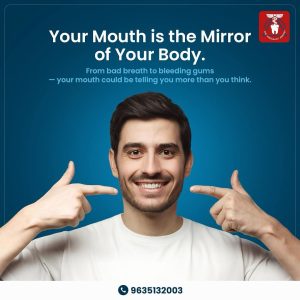
Many dental problems begin silently. In fact, cavities, gum disease, and even some oral infections often develop without causing noticeable pain during their early stages.
Because of this, many people assume everything is fine until severe symptoms appear.
Regular dental check-ups help identify these hidden problems before they become serious.
For example, a small cavity detected during a routine examination may only require a simple filling. However, if left untreated, it could progress to deep decay that requires root canal treatment or even tooth extraction.
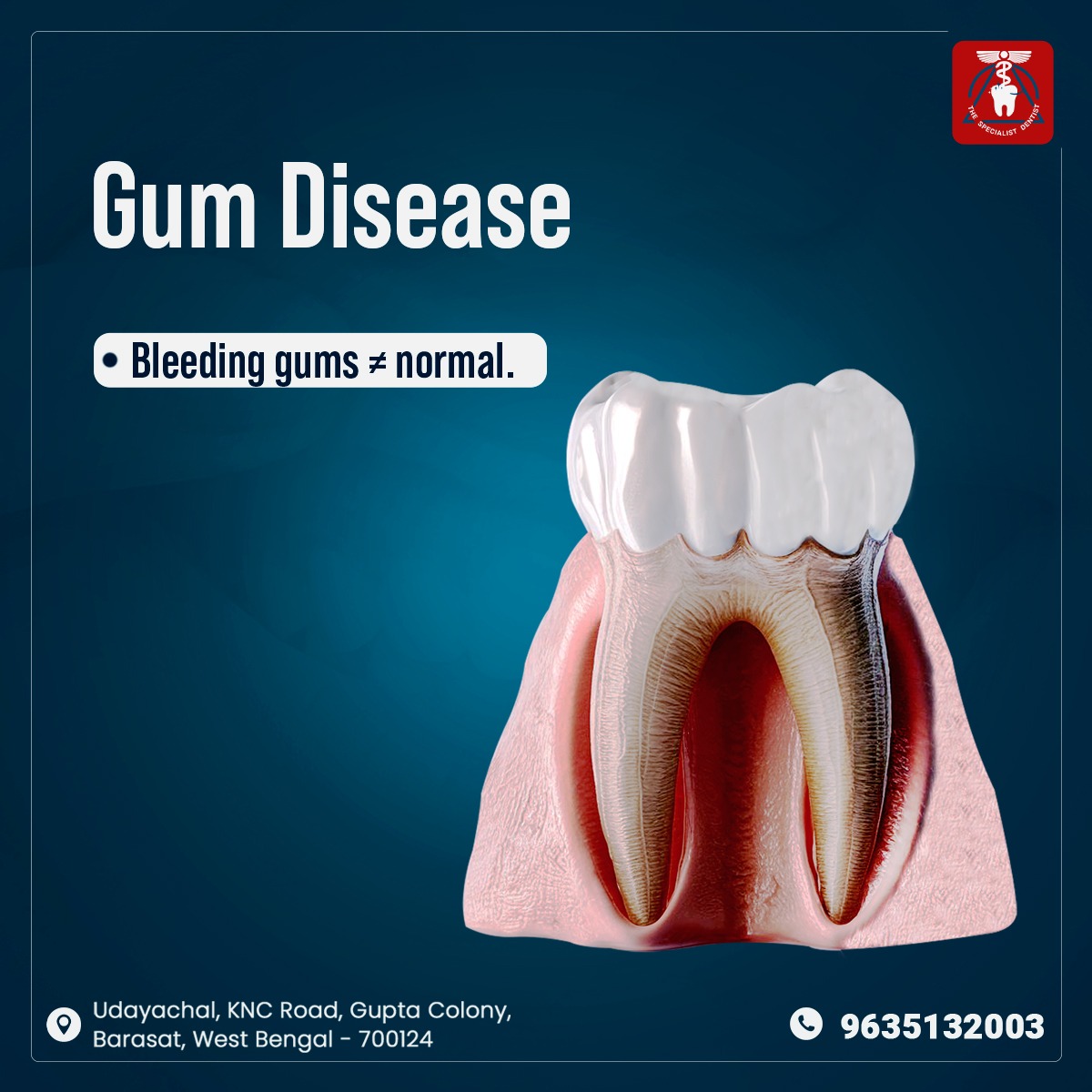
Similarly, early gum inflammation can often be reversed with professional cleaning and improved oral hygiene. On the other hand, advanced gum disease may lead to bone loss and tooth loss if ignored.
Therefore, prevention is always simpler, faster, and more affordable than extensive treatment.
Common Symptoms That Shouldn’t Be Ignored
Although routine dental visits are important even without symptoms, certain warning signs should never be overlooked.
If you notice any of the following, schedule a dental appointment promptly:
- Toothache
- Tooth sensitivity
- Bleeding gums
- Swollen gums
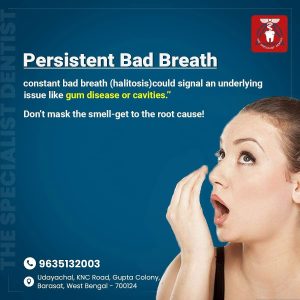
- Persistent bad breath
- Loose teeth
- Pain while chewing
- Mouth sores that do not heal
- Jaw pain
- Clicking jaw joints
- Chipped or broken teeth
- Food frequently getting stuck between teeth
Moreover, some dental diseases progress quietly without obvious symptoms.
That is why waiting until pain develops is never the best approach.
Main Causes of Dental Problems
Understanding what causes dental issues can help you appreciate the importance of regular dental check-ups.
Plaque Buildup
Plaque is a sticky film of bacteria that forms on teeth every day.
If plaque is not removed properly through brushing, flossing, and professional cleanings, it hardens into tartar.
Unlike plaque, tartar cannot be removed with a toothbrush at home. It requires professional dental cleaning.
Over time, plaque and tartar increase the risk of:
- Tooth decay
- Gum disease
- Bad breath
- Tooth loss
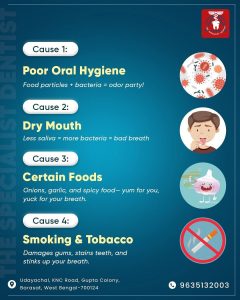
Poor Oral Hygiene
Skipping brushing or flossing allows bacteria to multiply.
Consequently, plaque accumulates more quickly, increasing the risk of cavities and gum infections.
Even people with good brushing habits may miss certain areas.
Therefore, professional cleanings remain essential.
Diet High in Sugar
Sugary foods and beverages feed harmful bacteria in the mouth.
These bacteria produce acids that gradually weaken tooth enamel.
As a result, cavities become more likely.
During regular dental check-ups, dentists can identify early enamel damage before significant decay develops.
Smoking and Tobacco Use
Smoking affects nearly every part of the mouth.
It increases the risk of:
- Gum disease
- Tooth discoloration
- Delayed healing
- Bad breath
- Tooth loss
- Oral cancer
Routine dental examinations are particularly important for tobacco users because dentists can monitor changes that may otherwise go unnoticed.
Natural Aging
As we age, teeth experience years of wear and tear.
Older adults may develop:
- Receding gums
- Worn enamel
- Root cavities
- Loose fillings
- Tooth fractures
Regular monitoring helps manage these age-related changes before they affect daily life.
Risk Factors
Although everyone benefits from preventive dental care, some individuals have a higher risk of developing oral health problems.
These include:
- People with poor oral hygiene
- Smokers
- Individuals with diabetes
- Older adults
- Pregnant women
- Children prone to cavities
- People with dry mouth
- Individuals with braces
- Patients with previous gum disease
- People who consume sugary foods frequently
Furthermore, people who avoid routine dental visits often develop more advanced dental problems over time.
Why Early Diagnosis Matters
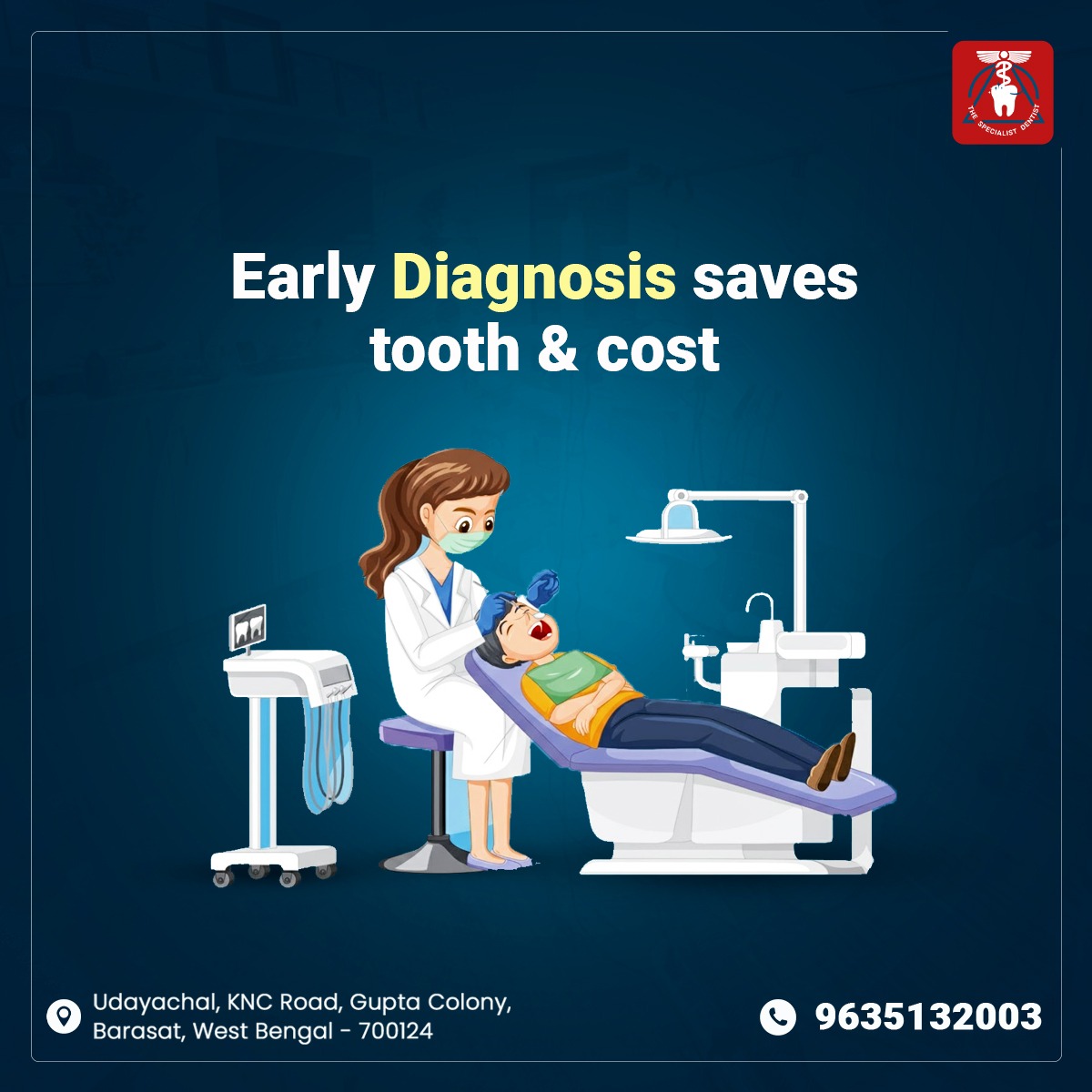
Early diagnosis is one of the greatest advantages of regular dental check-ups.
Many oral health conditions are much easier to treat during their initial stages. Detecting problems early not only protects your teeth but also reduces treatment time and costs.
Small Problems Stay Small
A tiny cavity may take only one appointment to restore with a simple filling.
However, delaying treatment can allow decay to spread deeper into the tooth, eventually requiring more complex procedures such as root canal treatment or dental crowns.
Similarly, identifying a small crack in a tooth early may prevent it from breaking completely.
Protects Your Natural Teeth
Saving your natural teeth is always the best option whenever possible.
Routine examinations allow dentists to detect early signs of wear, decay, gum disease, and bite problems before irreversible damage occurs.
Consequently, patients are more likely to keep their natural teeth for life.
Reduces Treatment Costs
Preventive care is generally much more affordable than emergency treatment.
For example:
- Professional cleaning costs less than gum disease treatment.
- A simple filling costs less than a root canal and crown.
- Early gum care is far less expensive than replacing missing teeth.
Therefore, regular dental check-ups often save patients significant money in the long run.
Supports Overall Health
Oral health is closely connected to overall health.
Research has shown that gum disease may be associated with conditions such as diabetes and heart disease.
Regular dental check-ups help maintain healthier gums and may contribute to better overall wellbeing.
Moreover, dentists can sometimes identify signs of certain health conditions during routine oral examinations and recommend appropriate medical follow-up if necessary.
Builds a Long-Term Oral Health Plan
Every patient has unique dental needs.
During routine visits, your dentist can:
- Monitor previous treatments
- Track changes in your oral health
- Recommend preventive care
- Provide personalized oral hygiene advice
- Schedule timely follow-up visits when needed
This ongoing partnership helps maintain a healthy smile throughout every stage of life.
Treatment Options
Regular dental check-ups are not only about identifying problems—they also allow dentists to provide timely treatment before conditions become more serious. The right treatment depends on your oral health, age, and the specific issue detected during your examination.
Below are some of the most common professional dental treatments that may be recommended.
Professional Teeth Cleaning
Even with excellent brushing and flossing habits, plaque can build up in hard-to-reach areas. Over time, plaque hardens into tartar, which cannot be removed with a toothbrush.
Professional teeth cleaning helps:
- Remove plaque and tartar buildup
- Reduce the risk of gum disease
- Prevent tooth decay
- Eliminate surface stains
- Improve overall oral hygiene
Moreover, regular cleanings leave your mouth feeling fresh and help maintain healthy gums.
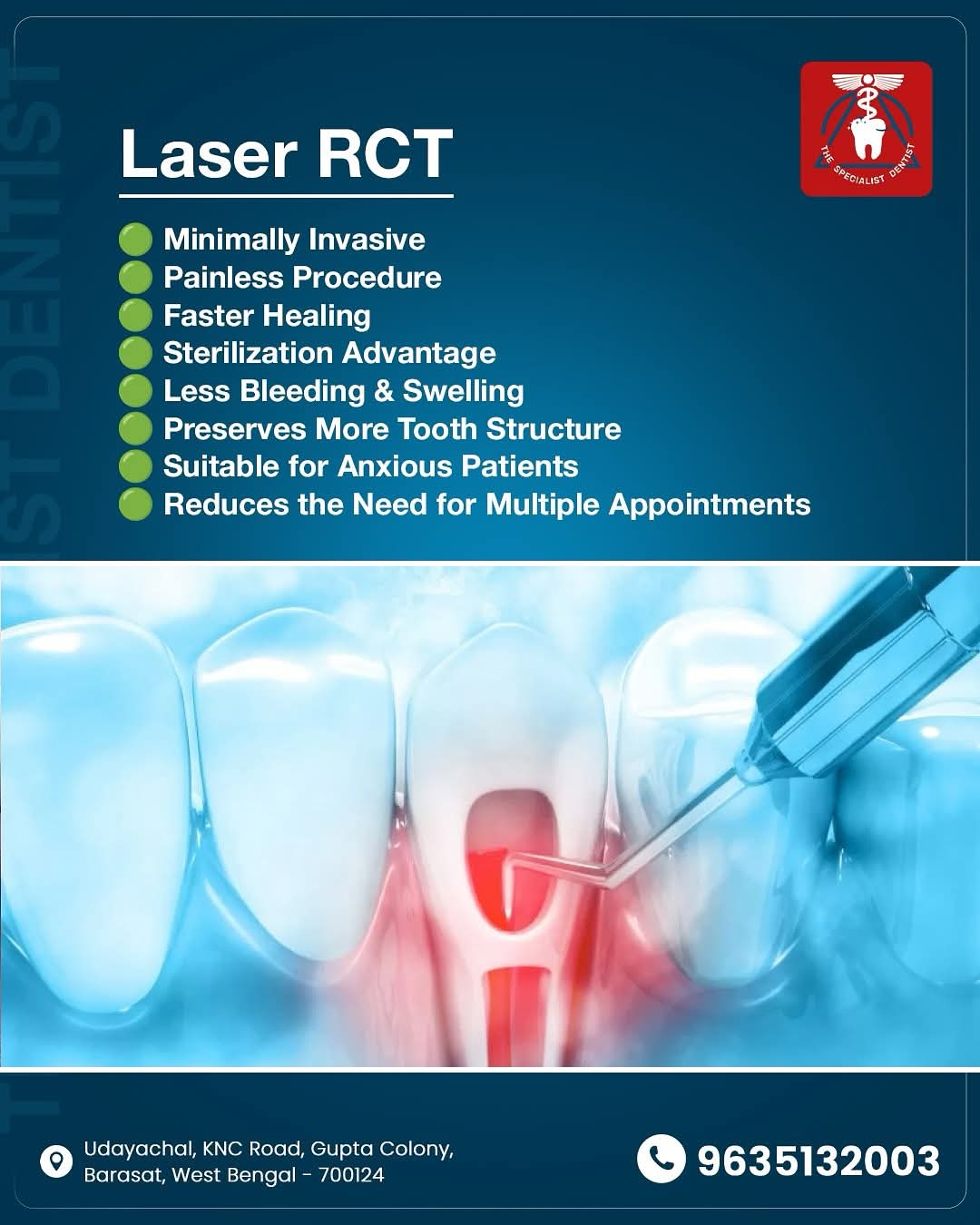
Dental Fillings
If a cavity is detected during a routine examination, your dentist may recommend a tooth-colored filling.
Treating cavities early helps:
- Stop further decay
- Restore the tooth’s function
- Preserve natural tooth structure
- Prevent the need for more extensive procedures
Therefore, early treatment saves both time and money.
Gum Disease Treatment
Healthy gums are essential for strong teeth. If early signs of gum disease are detected, prompt treatment can prevent the condition from worsening.
Treatment may include:
- Deep professional cleaning
- Scaling and root planing
- Periodontal maintenance
- Regular follow-up appointments
Early gum care can help preserve the supporting tissues around your teeth and reduce the risk of tooth loss.
Dental Crowns and Restorations
Sometimes, regular dental check-ups reveal weakened, cracked, or heavily restored teeth.
In these cases, your dentist may recommend:
- Dental crowns
- Replacement of old fillings
- Repair of damaged restorations
- Tooth-colored bonding
These treatments restore strength, improve appearance, and protect the tooth from further damage.
Monitoring Existing Dental Work
Routine visits also allow dentists to examine previous dental treatments.
For example, they may check:
- Dental crowns
- Bridges
- Fillings
- Dental implants
- Dentures
Consequently, small issues can be corrected before they become major problems.
Benefits of Professional Dental Treatment
Professional dental care offers many advantages beyond simply treating pain.
Some of the most important benefits include:
- Early detection of dental diseases
- Lower risk of cavities and gum disease
- Reduced need for emergency dental treatment
- Preservation of natural teeth
- Improved oral hygiene
- Healthier gums
- Fresh breath
- Better chewing ability
- Greater confidence when smiling
- Long-term savings on dental expenses
Furthermore, regular visits help patients feel more comfortable with dental care, reducing anxiety about future appointments.
Prevention Tips
Preventive care is the foundation of lifelong oral health. Fortunately, combining good daily habits with regular dental check-ups can significantly reduce the risk of many dental problems.
Brush Twice Every Day
Brush your teeth twice daily using a fluoride toothpaste and a soft-bristled toothbrush.
Proper brushing helps remove plaque before it can cause tooth decay or gum disease.
Floss Daily
Flossing removes food particles and plaque from between the teeth, where a toothbrush cannot reach.
As a result, it helps prevent cavities and keeps your gums healthy.
Visit Your Dentist Every Six Months
Routine examinations allow your dentist to monitor your oral health and identify problems early.
Some patients may need more frequent visits depending on their individual needs.
Eat a Balanced Diet
A nutritious diet supports strong teeth and healthy gums.
Limiting sugary snacks and acidic drinks also reduces the risk of enamel damage and tooth decay.
Replace Your Toothbrush Regularly
Dentists generally recommend replacing your toothbrush every three to four months or sooner if the bristles become worn.
A worn toothbrush cleans less effectively.
Avoid Tobacco Products
Smoking and tobacco use increase the risk of gum disease, tooth loss, delayed healing, and oral cancer.
Quitting tobacco supports better oral and overall health.
Follow Your Dentist’s Advice
Every patient’s oral health is different.
Therefore, following your dentist’s personalized recommendations helps maintain a healthier smile over time.
Possible Complications if Ignored
Skipping routine dental appointments may seem harmless, especially if you are not experiencing pain. However, many oral health problems develop slowly and silently.
Ignoring regular dental check-ups may lead to:
- Large cavities
- Severe tooth decay
- Root canal treatment
- Tooth fractures
- Advanced gum disease
- Bone loss around teeth
- Tooth loss
- Persistent bad breath
- Pain while eating
- Dental abscesses
- Expensive restorative treatments
- Emergency dental visits
Moreover, untreated oral infections may affect your overall wellbeing and quality of life.
Therefore, prevention remains the safest and most cost-effective approach.

When to Visit a Dentist
Although regular check-ups are recommended every six months, you should schedule an appointment sooner if you notice any unusual symptoms.
Visit your dentist if you experience:
- Tooth pain
- Tooth sensitivity
- Bleeding gums
- Swollen gums
- Loose teeth
- Persistent bad breath
- Pain while chewing
- Broken or chipped teeth
- Mouth sores that do not heal
- Jaw pain or swelling
- Changes in your bite
Even if you feel no discomfort, routine examinations remain essential because many dental problems develop without obvious symptoms.
Myths vs Facts
| Myth | Fact |
|---|---|
| I only need a dental check-up if I have tooth pain. | Many dental problems develop without pain in their early stages. |
| Brushing alone is enough to keep teeth healthy. | Professional cleanings remove tartar that cannot be removed at home. |
| Dental visits are always expensive. | Preventive care usually costs much less than treating advanced dental problems. |
| If my gums bleed occasionally, it is normal. | Bleeding gums may be an early sign of gum disease and should be evaluated. |
| Missing one dental appointment doesn’t matter. | Delaying routine care can allow small problems to become more serious. |
| Children do not need regular dental check-ups. | Routine dental care is important for children to support healthy tooth development. |
Long-Term Oral Health Importance
Healthy teeth and gums contribute to much more than a beautiful smile.
Good oral health helps you:
- Eat comfortably
- Speak clearly
- Smile confidently
- Maintain proper nutrition
- Reduce the risk of tooth loss
- Protect your overall health
- Improve your quality of life
Furthermore, maintaining regular dental visits throughout your life helps preserve your natural teeth for as long as possible.
Preventive dentistry is an investment that continues to provide benefits year after year.

Conclusion
Regular dental check-ups are one of the simplest and most effective ways to protect your oral health. They help detect problems early, prevent costly treatments, preserve your natural teeth, and keep your smile healthy for years to come.
Rather than waiting for pain or discomfort to appear, make preventive dental care a priority. Routine examinations, professional cleanings, and timely treatment can save you valuable time, reduce long-term dental expenses, and help you avoid unnecessary complications.
Overall, investing in regular dental check-ups is an investment in your confidence, comfort, and overall wellbeing. A healthy smile is easier to maintain when small problems are treated before they become serious.
Book Your Dental Check-up Today
Your smile deserves expert care at every stage of life. Whether it’s been six months or several years since your last dental visit, now is the perfect time to prioritize your oral health.
Our experienced dental team provides comprehensive dental examinations, professional teeth cleaning, preventive care, and personalized treatment plans to help you maintain a healthy, confident smile.
Book your dental appointment today to detect problems early, protect your natural teeth, and enjoy long-term oral health. Regular dental check-ups today can save you time, money, and your smile tomorrow.
[dentist near me. barasat dentistry, barasat dental clinic, dentist near me. barasat dentistry, barasat dental clinic, dentist near me. barasat dentistry, barasat dental clinic, dentist near me. barasat dentistry, barasat dental clinic, dentist near me. barasat dentistry, barasat dental clinic, dentist near me. barasat dentistry, barasat dental clinic, dentist near me. barasat dentistry, barasat dental clinic, dentist near me. barasat dentistry, barasat dental clinic, dentist near me. barasat dentistry, barasat dental clinic, dentist near me. barasat dentistry, barasat dental clinic, dentist near me. barasat dentistry, barasat dental clinic, dentist near me. barasat dentistry, barasat dental clinic, dentist near me. barasat dentistry, barasat dental clinic, dentist near me. barasat dentistry, barasat dental clinic, dentist near me. barasat dentistry, barasat dental clinic, dentist near me. barasat dentistry, barasat dental clinic]