

Why Do Teeth Become Sensitive All of a Sudden? Common Causes Explained
Introduction
Have you ever taken a sip of a cold drink and suddenly felt a sharp pain in one tooth? Or perhaps your teeth have recently started reacting to hot, cold, sweet, or acidic foods when they never did before. If so, you may be wondering about the causes of sudden tooth sensitivity.
Tooth sensitivity can be temporary, but it can also signal an underlying dental problem. For example, enamel wear, gum recession, tooth decay, a cracked tooth, or a recent dental procedure can make a tooth more sensitive.
However, sensitivity does not always mean something serious is wrong. The important point is to understand why your teeth have suddenly become sensitive rather than ignoring the change.
Moreover, the location and type of sensitivity can provide useful clues. Sensitivity in one tooth may have a different cause from sensitivity affecting several teeth.
Therefore, if sensitivity is new, persistent, worsening, or associated with pain, a professional dental examination is recommended.
This guide explains the common causes of sudden tooth sensitivity, symptoms to watch for, treatment options, prevention, and when you should visit a dentist.
What Is Tooth Sensitivity?
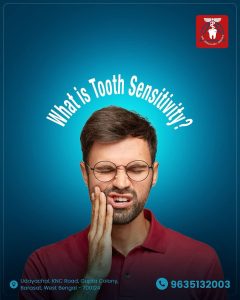
Tooth sensitivity, also called dentin hypersensitivity, occurs when the teeth respond painfully or uncomfortably to certain triggers.
These triggers commonly include:
- Cold foods or drinks
- Hot foods or drinks
- Sweet foods
- Acidic foods and drinks
- Cold air
- Touch or brushing
- Pressure during chewing
The discomfort is often described as a sudden, sharp, or short-lasting pain.
However, the experience can vary from person to person. Some people may feel sensitivity in one tooth, while others may notice it across several teeth.
A tooth has a strong outer layer called enamel. Underneath the enamel lies dentin, which contains tiny channels that connect toward the inner part of the tooth.
When enamel becomes thinner or gum tissue recedes, dentin can become more exposed. As a result, external triggers can cause discomfort more easily.
Therefore, sensitive teeth are often a sign that the protective layers of the tooth have been affected.
Why Do Teeth Become Sensitive All of a Sudden?
Sudden tooth sensitivity can have several possible causes.
Sometimes, a change occurs gradually but becomes noticeable only when the tooth is exposed to a strong trigger. For example, enamel may have worn down over time without causing symptoms until a cold drink produces a sharp sensation.
On the other hand, sensitivity can sometimes appear quickly because of a specific dental problem.
Common causes include:
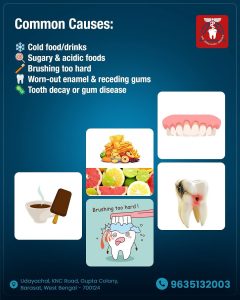
- Enamel erosion
- Gum recession
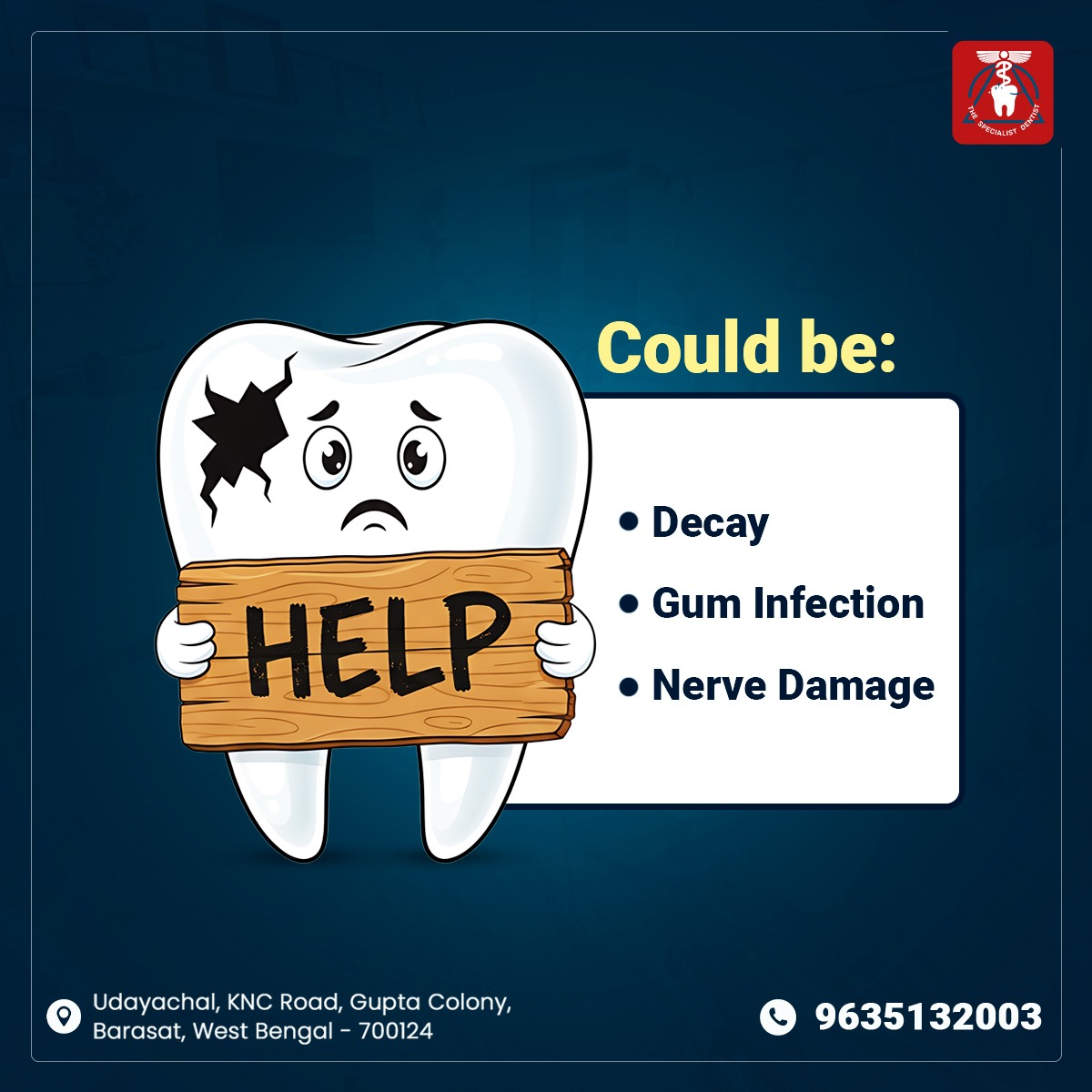
- Tooth decay
- Cracked or damaged teeth
- Worn dental fillings
- Teeth grinding
- Recent dental treatment
- Gum disease
- Exposed tooth roots
- Acid erosion
- Certain dental conditions affecting the tooth’s inner tissues
Furthermore, sensitivity affecting one specific tooth may be more concerning than general sensitivity across several teeth.
For example, if one tooth suddenly becomes painful when you bite down, a dentist may need to check for decay, a crack, a damaged restoration, or inflammation inside the tooth.
Consequently, the pattern and duration of sensitivity matter.
Common Symptoms of Tooth Sensitivity
Tooth sensitivity can present in different ways. The most common symptom is a sudden, sharp sensation after exposure to a particular trigger.
You may notice:
- Sharp pain after drinking something cold
- Discomfort when eating hot food
- Pain from sweet foods
- Sensitivity to acidic foods or drinks
- Pain when cold air touches the teeth
- Sensitivity while brushing
- Discomfort when the tooth is touched
- Short-lasting pain that disappears after the trigger is removed
However, sensitivity should not always be assumed to be harmless.
If the pain becomes persistent, severe, or occurs without an obvious trigger, it may indicate another dental problem.
Moreover, symptoms such as swelling, fever, pus, severe toothache, or pain that keeps you awake require prompt professional dental assessment.
Common Causes of Sudden Tooth Sensitivity
1. Enamel Erosion
Enamel is the hard outer layer that protects your teeth.
Although enamel is extremely strong, it can gradually wear away due to various factors.
For example, repeated exposure to acids can contribute to enamel erosion. As the protective enamel becomes thinner, the underlying dentin may become more exposed.
Consequently, you may begin to experience sensitivity to cold, hot, sweet, or acidic foods.
Because enamel does not grow back naturally once it is permanently lost, professional assessment is important when erosion is suspected.
2. Gum Recession
Gums normally cover and protect the roots of your teeth.
However, when gums recede, part of the tooth root can become exposed. Unlike the crown of a tooth, the root does not have the same protective enamel covering.
Therefore, exposed roots can be more sensitive to temperature and touch.
Gum recession can be associated with gum disease, certain brushing habits, tooth position, or other factors.
If you notice that your teeth appear longer or the gumline has changed, schedule a dental examination.
3. Tooth Decay
A cavity can cause sensitivity, particularly when decay progresses deeper into the tooth.
Initially, a cavity may cause little or no discomfort. However, as the decay affects deeper structures, sensitivity to cold, hot, sweet foods, or chewing may develop.
Therefore, new sensitivity should not automatically be attributed to enamel wear.
A dentist can examine the tooth and determine whether decay is present.
4. Cracked or Damaged Teeth
A cracked tooth may sometimes cause sensitivity, especially while chewing or when exposed to temperature changes.
The crack may not always be visible to you.
Moreover, the symptoms can be inconsistent. You might feel pain with one type of food but not another.
Because untreated cracks can sometimes worsen, professional evaluation is important if sensitivity occurs alongside biting pain or discomfort in one particular tooth.
5. Worn or Damaged Dental Fillings
Dental fillings restore teeth affected by decay. However, fillings can sometimes become worn, damaged, or loose over time.
When this happens, the tooth may become sensitive.
Therefore, if a previously treated tooth suddenly becomes sensitive, your dentist should evaluate the restoration and the tooth underneath it.
6. Teeth Grinding or Clenching
Some people grind or clench their teeth, especially during sleep.
Repeated pressure can contribute to enamel wear, small cracks, muscle discomfort, and increased tooth sensitivity.
Furthermore, many people are unaware that they grind their teeth.
If you wake up with jaw discomfort, headaches, worn teeth, or unexplained sensitivity, discuss these symptoms with your dentist.
7. Recent Dental Treatment
Temporary sensitivity can occur after certain dental procedures.
For example, some patients may experience sensitivity after professional teeth whitening, fillings, crowns, or other treatments.
Usually, your dentist will explain what symptoms to expect and how long they may last.
However, if sensitivity is severe, persists longer than expected, or gets worse instead of improving, contact your dental clinic.
8. Gum Disease
Gum disease can cause inflammation and gum recession.
As the gums recede, tooth roots may become exposed. Consequently, patients may develop sensitivity along with other gum-related symptoms.
Look out for:
- Bleeding gums
- Redness
- Swelling
- Gum recession
- Persistent bad breath
- Loose teeth
Therefore, tooth sensitivity accompanied by gum symptoms should be professionally evaluated.
9. Acid Exposure
Frequent exposure to acidic foods and beverages can contribute to enamel erosion.
Over time, this may reduce the protective strength of the enamel.
As a result, teeth can become more sensitive.
However, sensitivity does not identify the exact cause by itself. A dentist can assess your teeth and determine whether acid erosion or another issue is responsible.
10. Exposed Tooth Roots
Tooth roots are naturally more vulnerable than the enamel-covered crown.
When roots become exposed because of gum recession or other dental changes, sensitivity can develop.
This can cause discomfort from cold drinks, hot foods, brushing, or even cold air.
Consequently, root exposure should be evaluated rather than ignored.
Risk Factors for Sensitive Teeth
Some people may be more likely to experience tooth sensitivity.
Risk factors can include:
- Enamel erosion
- Gum recession
- Gum disease
- Tooth decay
- Teeth grinding
- Cracked teeth
- Frequent acidic food or drink exposure
- Poor oral hygiene
- Existing dental restorations
- Certain dental treatments
Moreover, sensitivity can have more than one contributing factor.
For example, a patient may have both mild gum recession and enamel erosion.
Therefore, personalised dental assessment is important for identifying the main cause.
Why Early Diagnosis Matters
New tooth sensitivity should not automatically be ignored.
Although mild sensitivity may have a simple explanation, it can also be an early sign of decay, gum problems, enamel damage, or another dental condition.
Early diagnosis allows the dentist to identify the underlying issue before it becomes more advanced.
For example, treating an early cavity may be simpler than treating decay that has reached the inner part of the tooth.
Similarly, addressing gum disease early may help prevent further damage to the supporting structures around the teeth.
Therefore, early professional assessment can help:
- Identify the underlying cause
- Prevent dental problems from worsening
- Protect natural tooth structure
- Reduce discomfort
- Treat cavities at an earlier stage
- Manage gum problems
- Protect existing dental restorations
- Support long-term oral health
How Do Dentists Diagnose Tooth Sensitivity?
A dentist will usually begin by asking about your symptoms.
You may be asked:
- When did the sensitivity begin?
- Is it affecting one tooth or several?
- Which foods or drinks trigger it?
- Does the pain stop quickly?
- Does it hurt when you bite?
- Have you recently had dental treatment?
- Do you grind or clench your teeth?
The dentist will then examine your teeth and gums.
Depending on your symptoms, additional dental tests or X-rays may be recommended.
Consequently, the diagnosis is based on your symptoms, clinical examination, and any necessary investigations.
Treatment Options for Sensitive Teeth
Treatment depends entirely on the cause.
Professional Fluoride Treatment
If appropriate, your dentist may recommend professional fluoride treatment to help strengthen tooth surfaces and reduce sensitivity.
The type and frequency of treatment depend on your individual condition.
Dental Fillings
If sensitivity is caused by tooth decay or exposed areas requiring restoration, a filling may be recommended.
The dentist removes the damaged portion and restores the tooth.
Therefore, treating the underlying problem can help reduce sensitivity.
Treatment for Gum Recession
If exposed tooth roots are contributing to sensitivity, your dentist will assess the gum condition and determine the appropriate treatment.
If gum disease is present, periodontal treatment may be required.
Treatment for Tooth Decay
When decay causes sensitivity, treatment depends on how deeply the cavity has progressed.
A filling may be appropriate for some cavities. However, deeper decay affecting the pulp may require root canal treatment.
Root Canal Treatment
If the inner pulp of the tooth becomes severely inflamed or infected, root canal treatment may be required.
The treatment removes the affected pulp, cleans the internal space, and seals the tooth.
A crown may also be recommended when the remaining tooth structure needs additional protection.
Treatment for Cracked Teeth
A cracked tooth requires careful examination.
Depending on the location and extent of the crack, treatment may include a restoration, crown, root canal treatment, or another appropriate procedure.
In severe cases, the tooth may not be restorable.
Therefore, early evaluation is especially important when sensitivity is linked to biting pain.
Benefits of Professional Dental Treatment
Professional treatment does more than reduce sensitivity.
It addresses the cause behind the symptom.
Key benefits include:
- Identifying the underlying dental problem
- Protecting natural tooth structure
- Reducing sensitivity and discomfort
- Treating cavities before they become deeper
- Managing gum disease
- Protecting damaged teeth
- Preventing potential complications
- Supporting long-term oral health
Furthermore, professional dental care allows your dentist to monitor your teeth over time.
Possible Complications If Tooth Sensitivity Is Ignored
Sensitivity itself may not always be dangerous. However, ignoring persistent sensitivity can mean overlooking an underlying condition.
Depending on the cause, untreated dental problems can progress to:
- Larger cavities
- Severe toothache
- Pulp inflammation
- Dental infection
- Gum recession
- Advanced gum disease
- Tooth fractures
- Tooth loss
For example, a tooth that is sensitive because of deep decay may eventually develop significant pain or infection.
Similarly, a cracked tooth can potentially become more damaged if left untreated.
Therefore, persistent or worsening sensitivity deserves professional attention.

Prevention Tips for Tooth Sensitivity
Preventing sensitivity starts with protecting your teeth and gums.
Maintain Good Oral Hygiene
Follow a consistent oral hygiene routine based on your dentist’s recommendations.
Proper plaque control helps reduce the risk of cavities and gum disease.
Attend Regular Dental Checkups
Routine dental examinations can identify early changes before they become more serious.
Moreover, your dentist can monitor enamel wear, gum recession, existing fillings, and other risk factors.
Protect Your Teeth From Excessive Wear
If you grind or clench your teeth, discuss this with your dentist.
A professional assessment can help determine whether treatment or a protective dental appliance is appropriate.
Manage Acid Exposure
Frequent exposure to acidic foods and drinks can contribute to enamel erosion.
Therefore, discuss your dietary habits with your dentist if you have signs of enamel wear or sensitivity.
Treat Dental Problems Early
Do not ignore new sensitivity, especially when it affects one tooth or is becoming progressively worse.
Early treatment can often prevent a small issue from becoming a more complicated dental problem.
When Should You Visit a Dentist?
Not every episode of sensitivity requires emergency treatment. However, you should schedule a dental appointment if sensitivity:
- Appears suddenly and has no clear explanation
- Continues for several days
- Keeps returning
- Is becoming more intense
- Affects only one tooth
- Occurs while biting or chewing
- Is associated with toothache
- Occurs alongside gum bleeding or swelling
- Appears after an injury
- Develops around an old filling or crown
Seek prompt dental care if you experience:
- Severe or persistent tooth pain
- Facial or gum swelling
- Fever
- Pus around a tooth
- Difficulty swallowing
- Significant trauma to a tooth
These symptoms may indicate a more serious dental problem.
Myths vs Facts About Sensitive Teeth
Myth 1: Sensitive teeth are always normal.
Fact: Sensitivity can occur for several reasons. Persistent sensitivity should be professionally evaluated.
Myth 2: Tooth sensitivity always means weak teeth.
Fact: Sensitivity may result from cavities, gum recession, enamel erosion, cracks, restorations, or other conditions.
Myth 3: If sensitivity disappears, the problem is gone.
Fact: Symptoms can sometimes change while an underlying dental problem remains.
Therefore, recurring symptoms should not be ignored.
Myth 4: Only older adults get sensitive teeth.
Fact: People of different ages can experience sensitivity.
The cause matters more than age.
Myth 5: Sensitivity in one tooth is nothing to worry about.
Fact: Localised sensitivity can sometimes be linked to decay, a crack, or a damaged restoration.
Therefore, a dentist should assess persistent sensitivity affecting one tooth.
Myth 6: All tooth sensitivity requires a root canal.
Fact: No. Treatment depends on the underlying cause. Many cases can be managed with less extensive treatment.

Long-Term Oral Health Importance
Your teeth are exposed to daily pressure, temperature changes, acids, and bacteria.
Therefore, protecting the enamel and gum tissues is important for long-term oral health.
Sudden sensitivity may be your first noticeable sign that something has changed.
Moreover, regular dental visits can help identify problems before they cause significant discomfort.
A professional examination can detect cavities, gum disease, enamel wear, damaged fillings, cracks, and other conditions.
Consequently, dental care should not begin only when something hurts.
Preventive checkups and early treatment can help preserve your natural teeth and reduce the risk of complex dental problems in the future.
Conclusion
So, why do teeth become sensitive all of a sudden? There is no single answer.
Sudden tooth sensitivity can develop because of enamel erosion, gum recession, tooth decay, cracks, worn dental fillings, gum disease, teeth grinding, acid exposure, or recent dental treatment.
However, sensitivity is a symptom rather than a diagnosis.
Therefore, the most important step is to identify the underlying cause. A professional dental examination can help determine whether the sensitivity is temporary or connected to a dental condition that requires treatment.
Moreover, early diagnosis can help prevent minor problems from progressing into more complicated conditions.
If your teeth have recently become sensitive, especially if the sensitivity is persistent or affects one specific tooth, do not ignore the change.
Your teeth may be telling you that something needs attention.
Book Your Dental Appointment Today
Experiencing sudden tooth sensitivity when drinking something cold, eating sweets, or brushing your teeth?
Do not wait for the sensitivity to become severe.
Book a dental appointment for a professional examination and personalised consultation. Schedule regular dental checkups to monitor your teeth and gums and maintain your long-term oral health.
Contact your dental clinic today and take the first step towards healthier, more comfortable teeth.
[Dentist near me, dental clinic near me, Barasat Dental clinic, Dentist near me, dental clinic near me, Barasat Dental clinic, Dentist near me, dental clinic near me, Barasat Dental clinic, Dentist near me, dental clinic near me, Barasat Dental clinic, Dentist near me, dental clinic near me, Barasat Dental clinic, Dentist near me, dental clinic near me, Barasat Dental clinic, Dentist near me, dental clinic near me, Barasat Dental clinic, Dentist near me, dental clinic near me, Barasat Dental clinic, Dentist near me, dental clinic near me, Barasat Dental clinic, Dentist near me, dental clinic near me, Barasat Dental clinic, Dentist near me, dental clinic near me, Barasat Dental clinic, Dentist near me, dental clinic near me, Barasat Dental clinic]