

Bad Breath That Won’t Go Away? It Could Be More Than Just Food
Introduction
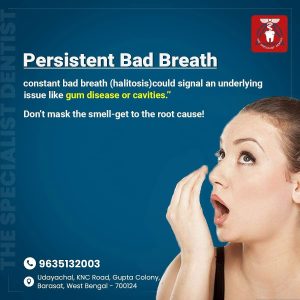
Have you ever brushed your teeth, chewed mint gum, or avoided certain foods, yet your bad breath still wouldn’t go away? If so, you are not alone. Many people assume that persistent bad breath is simply caused by eating garlic, onions, or spicy food. However, when bad breath continues for days or weeks, it may be a sign of an underlying dental or health problem that needs professional attention.
Bad breath, also known as halitosis, affects millions of people worldwide. Although it may seem like a minor inconvenience, it can significantly impact confidence, social interactions, and overall quality of life. Moreover, persistent bad breath may indicate issues such as gum disease, tooth decay, bacterial buildup, or even certain medical conditions.
Fortunately, professional dental care can identify the root cause and provide effective treatment. Therefore, understanding why bad breath happens and knowing when to seek help are essential steps toward better oral health.
What Is Persistent Bad Breath?
Persistent bad breath refers to unpleasant mouth odor that continues despite regular brushing, flossing, or avoiding odor-causing foods. Unlike temporary bad breath after a meal, chronic bad breath usually points to an underlying issue.
In many cases, bacteria inside the mouth produce sulfur compounds that create unpleasant odors. However, bad breath can also result from gum disease, tooth infections, dry mouth, poorly fitting dental appliances, or certain medical conditions.
Therefore, identifying the exact cause is important before starting treatment.
Common Symptoms
Persistent bad breath often comes with other oral symptoms. These signs should never be ignored.
You may notice:
- Constant unpleasant mouth odor
- Bad taste in the mouth
- Dry mouth
- White or yellow coating on the tongue
- Bleeding gums
- Swollen or tender gums
- Loose teeth in advanced gum disease
- Food getting trapped between teeth
- Tooth sensitivity
- Cavities or visible decay
Moreover, family members or close friends may notice the odor before you do.
Main Causes of Persistent Bad Breath
Several dental and medical conditions can contribute to chronic bad breath.
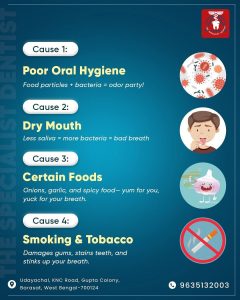
Poor Oral Hygiene
Food particles left between teeth encourage bacterial growth. Consequently, plaque forms, producing foul-smelling gases.
Without proper professional cleaning, plaque hardens into tartar, making the problem worse.
Gum Disease
One of the most common causes of persistent bad breath is gum disease.
Inflamed gums contain harmful bacteria that produce unpleasant odors. Moreover, deep gum pockets trap food and bacteria, making regular brushing less effective.
Common signs include:
- Bleeding gums
- Redness
- Swelling
- Gum recession
- Loose teeth
Tooth Decay
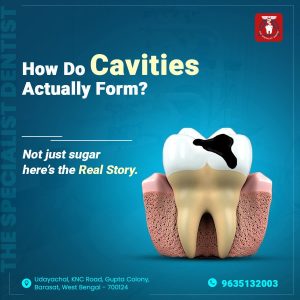
Untreated cavities allow bacteria to multiply inside damaged teeth.
As the decay progresses, trapped food particles and bacterial infection produce unpleasant smells. Therefore, early cavity treatment helps prevent worsening symptoms.
Tongue Bacteria
The rough surface of the tongue can trap bacteria, food debris, and dead cells.
Consequently, sulfur-producing bacteria accumulate, leading to persistent mouth odor.
Dry Mouth (Xerostomia)
Saliva naturally washes away bacteria and food particles.
However, reduced saliva production allows bacteria to grow rapidly, increasing the chances of bad breath.
Dry mouth may occur because of:
- Certain medications
- Aging
- Mouth breathing
- Medical conditions
- Reduced fluid intake
Dental Infections
Abscesses and infected teeth release pus and bacteria, causing severe bad breath.
Additionally, these infections often cause pain, swelling, and sensitivity.
Immediate dental treatment is necessary.
Poorly Maintained Dental Restorations
Old crowns, bridges, dentures, or braces can trap bacteria if they are damaged or difficult to clean.
Regular dental examinations help ensure these restorations remain healthy and functional.
Medical Conditions
Although dental issues are the most common cause, certain medical conditions can also contribute to bad breath.
These include:
- Diabetes
- Sinus infections
- Tonsil stones
- Acid reflux (GERD)
- Respiratory infections
- Liver disease
- Kidney disease
Therefore, dentists sometimes work together with physicians to identify the underlying cause.
Risk Factors
Certain habits and conditions increase the risk of developing persistent bad breath.
These include:
- Smoking or tobacco use
- Inadequate brushing and flossing
- Untreated gum disease
- Tooth decay
- Dry mouth
- Wearing dentures
- Poorly cleaned orthodontic appliances
- High sugar intake
- Irregular dental visits
- Certain medications
Furthermore, older adults may have an increased risk because of reduced saliva production and existing dental restorations.
Why Early Diagnosis Matters
Many people ignore chronic bad breath because they believe it is harmless.
However, persistent bad breath often serves as an early warning sign of oral disease.
Early diagnosis helps:
- Prevent gum disease progression
- Detect cavities early
- Reduce bacterial infection
- Protect surrounding teeth
- Improve confidence
- Lower treatment costs
- Prevent tooth loss
Therefore, scheduling a dental examination at the first sign of persistent symptoms is always recommended.
Treatment Options for Persistent Bad Breath
Treatment depends entirely on the underlying cause.
Professional Dental Cleaning
Professional cleaning removes plaque and tartar that brushing cannot eliminate.
As a result, harmful bacteria decrease significantly.
Periodontal (Gum) Treatment
If gum disease is present, treatment may include:
- Deep cleaning (Scaling and Root Planing)
- Periodontal maintenance
- Gum infection management
These treatments reduce bacterial buildup below the gum line.
Cavity Treatment
Removing decay and restoring damaged teeth eliminate bacterial hiding places.
Depending on the severity, treatment may involve:
- Dental fillings
- Crowns
- Root canal treatment
- Tooth extraction when necessary
Treatment for Dry Mouth
Your dentist may recommend strategies to improve saliva production and manage dry mouth based on the underlying cause.
Additionally, medications contributing to dry mouth may require evaluation by your physician.
Tongue Cleaning
Professional tongue cleaning removes bacterial buildup that contributes to unpleasant odors.
Dentists may also recommend proper tongue-cleaning techniques as part of your daily oral hygiene routine.
Replacement or Repair of Dental Restorations
Loose crowns, damaged fillings, or ill-fitting dentures should be repaired or replaced to prevent bacterial accumulation.
Referral for Medical Evaluation
If your mouth is healthy but bad breath continues, your dentist may recommend evaluation by a medical specialist.
This ensures any underlying health condition receives appropriate treatment.
Benefits of Professional Dental Treatment
Professional care offers several long-term advantages.
These include:
- Accurate diagnosis
- Long-lasting improvement
- Better oral hygiene
- Healthier gums
- Reduced bacterial growth
- Fresher breath
- Improved confidence
- Prevention of future dental problems
- Personalized oral care advice
Moreover, routine dental visits help maintain overall oral health.
Prevention Tips
Preventing persistent bad breath requires consistent professional oral care and healthy daily habits.
Follow these recommendations:
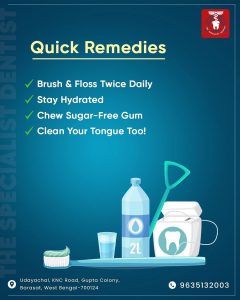
- Brush your teeth twice daily using fluoride toothpaste.
- Clean between your teeth every day with floss or interdental brushes.
- Clean your tongue regularly.
- Attend routine dental checkups.
- Schedule professional cleanings as recommended.
- Replace your toothbrush every three months.
- Drink enough water to support healthy saliva flow.
- Avoid tobacco products.
- Manage existing dental problems promptly.
- Keep dentures and dental appliances clean.
Furthermore, regular dental examinations allow early detection of problems before they become serious.
Possible Complications if Ignored
Ignoring persistent bad breath may allow underlying conditions to worsen.
Possible complications include:
- Advanced gum disease
- Tooth loss
- Severe tooth infection
- Bone loss around teeth
- Chronic inflammation
- Pain while chewing
- Increased treatment costs
- Reduced self-confidence
- Social anxiety
Therefore, professional evaluation should never be delayed.
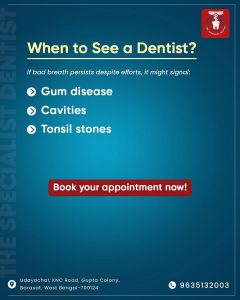
When to Visit a Dentist
Book a dental appointment if:
- Bad breath lasts for more than two weeks.
- Brushing does not improve the odor.
- Your gums bleed regularly.
- You notice loose teeth.
- You experience tooth pain.
- You have swollen gums.
- There is a persistent bad taste in your mouth.
- You have visible tooth decay.
- You wear dentures that constantly smell unpleasant.
Early diagnosis leads to better treatment outcomes.
Myths vs Facts
| Myth | Fact |
|---|---|
| Bad breath only comes from food. | Persistent bad breath is often caused by dental disease or other health conditions. |
| Mouthwash alone cures bad breath. | Mouthwash may temporarily mask odor but does not treat the underlying cause. |
| If you brush daily, you cannot have bad breath. | Gum disease, dry mouth, and infections may still cause bad breath despite brushing. |
| Bad breath is always harmless. | Chronic bad breath may indicate serious oral or medical problems. |
| Bad breath is normal with age. | Aging alone does not cause bad breath. Underlying conditions should always be evaluated. |
Long-Term Importance of Oral Health
Good oral health supports much more than a healthy smile.
Healthy teeth and gums improve chewing, speaking, confidence, and overall well-being.
Moreover, routine dental care helps detect problems before they become severe. Early intervention often means simpler, less invasive, and more cost-effective treatment.
Regular dental visits also allow your dentist to monitor changes in your oral health over time and provide personalized preventive care. Consequently, maintaining healthy gums and teeth can contribute to better overall health and quality of life.
Conclusion
Persistent bad breath is more than just an embarrassing problem—it can be an important warning sign of underlying dental or medical conditions. While temporary mouth odor after eating certain foods is normal, bad breath that does not improve deserves professional attention. Moreover, issues such as gum disease, tooth decay, dry mouth, or dental infections often become easier to treat when diagnosed early.
Overall, maintaining excellent oral hygiene, attending regular dental checkups, and seeking timely treatment can protect your smile and improve your overall health. If you have noticed persistent bad breath that simply won’t go away, don’t ignore it. A comprehensive dental evaluation can identify the cause and help restore fresh breath and lasting oral health.
Schedule Your Dental Visit Today
Don’t let persistent bad breath affect your confidence or hide a more serious oral health problem. Our experienced dental team is committed to identifying the root cause and providing personalized, effective treatment in a comfortable and caring environment.
Book your dental appointment today for a comprehensive oral examination, professional cleaning, and expert guidance. Whether you need preventive care or treatment for an underlying dental condition, we’re here to help you achieve fresher breath and a healthier smile. Schedule your consultation today and take the first step toward lasting oral wellness.