

Do Bleeding Gums Always Mean Gum Disease? Here’s the Truth
Introduction
Have you ever noticed a little blood while brushing or flossing your teeth? You may have wondered, do bleeding gums always mean gum disease? The answer is no. However, bleeding gums should not be ignored, especially when they happen repeatedly.
Bleeding can occur for several reasons. In many cases, plaque buildup and gum inflammation are responsible. Nevertheless, other factors can also contribute to gum bleeding, including aggressive brushing, certain medications, hormonal changes, and some medical conditions.
Therefore, occasional bleeding does not automatically mean you have advanced gum disease. At the same time, persistent bleeding can be an early warning sign that your gums need professional attention.
Understanding the cause is important. Moreover, early dental care can often prevent minor gum problems from progressing into more serious conditions.
In this guide, we will explain the common causes of bleeding gums, the signs of gum disease, risk factors, professional treatment options, and when you should visit a dentist.
What Are Bleeding Gums?
Bleeding gums occur when gum tissue releases blood, usually during brushing, flossing, or eating.
Healthy gums generally should not bleed regularly. Therefore, repeated bleeding deserves attention even if there is no pain.
Sometimes, the bleeding may be linked to temporary irritation. However, it can also indicate inflammation caused by plaque and bacteria around the teeth.
In addition, bleeding may occur alongside other symptoms such as redness, swelling, tenderness, bad breath, or gum recession.
Consequently, the cause should be identified rather than simply assuming that bleeding is normal.
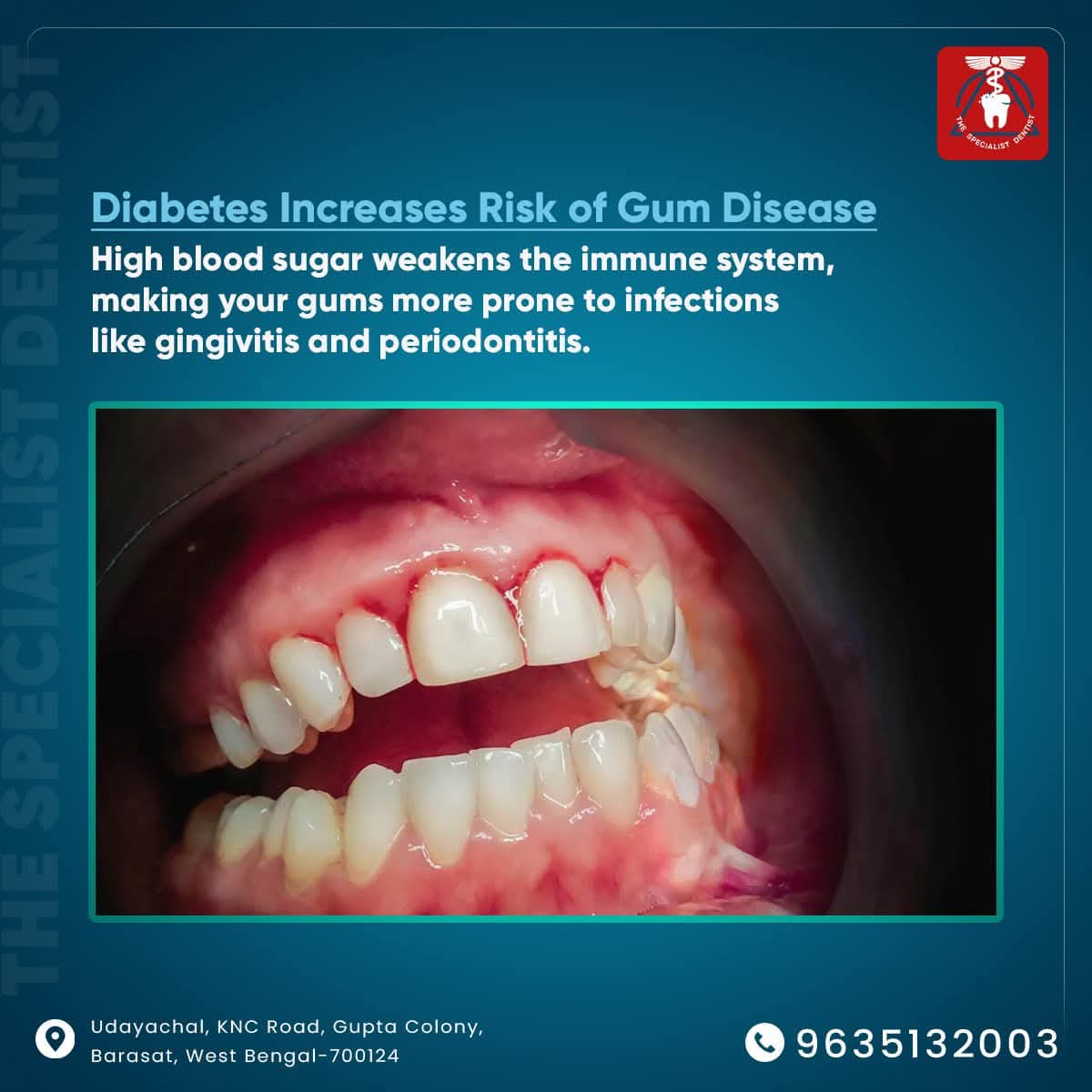
Do Bleeding Gums Always Mean Gum Disease?
No, bleeding gums do not always mean gum disease.
There are several possible causes of gum bleeding. For example, brushing too aggressively can irritate delicate gum tissue. Similarly, starting to clean between the teeth after a long gap may cause temporary bleeding if the gums are already inflamed.
However, gum disease is one of the most common causes of persistent bleeding gums.
The early stage of gum disease is called gingivitis. It usually develops when plaque accumulates around the gumline and causes inflammation.
If gingivitis is not addressed, it may progress to periodontitis, a more advanced form of gum disease that can damage the tissues and bone supporting the teeth.
Therefore, bleeding gums are not automatically proof of gum disease. Nevertheless, repeated or unexplained bleeding should be professionally evaluated.
Common Causes of Bleeding Gums
Bleeding gums can have several causes. Understanding them can help you recognise when professional dental care may be necessary.
1. Plaque Buildup
Plaque is a sticky layer containing bacteria that forms on teeth.
When plaque remains around the gumline, it can irritate the gums. As a result, the gums may become red, swollen, tender, and more likely to bleed.
If plaque hardens into tartar, professional dental cleaning may be needed to remove it effectively.
2. Gingivitis
Gingivitis is an early form of gum disease.
It develops when plaque causes inflammation around the gums. Bleeding during brushing or flossing is one of its common signs.
The good news is that early gum inflammation can often be managed effectively with professional dental care and appropriate oral hygiene guidance.
3. Periodontitis
When gum disease progresses, it can affect the tissues and bone supporting the teeth.
This advanced condition is known as periodontitis. In addition to bleeding, patients may experience gum recession, persistent bad breath, loose teeth, or changes in how the teeth fit together.
Therefore, persistent bleeding should not be dismissed as a minor problem.
4. Brushing Too Hard
Using excessive force while brushing can irritate the gum tissue.
However, bleeding should not simply be assumed to be caused by brushing pressure. If bleeding continues, a dentist can help determine the actual cause.
5. Inadequate Plaque Removal
When plaque is not removed effectively from around and between the teeth, the gums may become inflamed.
As a result, bleeding may occur when the area is brushed or cleaned.
6. Hormonal Changes
Hormonal fluctuations can affect gum sensitivity and inflammation.
For example, some people may experience increased gum sensitivity during pregnancy or other periods of hormonal change.
Nevertheless, persistent symptoms still require appropriate dental evaluation.
7. Certain Medications
Some medications can affect bleeding or oral health.
Therefore, if your gums started bleeding after beginning a medication, inform your dentist. Do not stop prescribed medication without speaking to your doctor.
8. Nutritional Problems
Certain nutritional deficiencies may contribute to gum or oral health problems.
However, bleeding gums have many possible causes. Consequently, a dental professional should assess persistent bleeding rather than assuming a specific nutritional cause.
9. Medical Conditions
Certain systemic health conditions can affect gum health or bleeding.
For this reason, unexplained or persistent gum bleeding should be discussed with a healthcare professional, especially when it occurs alongside other unusual symptoms.
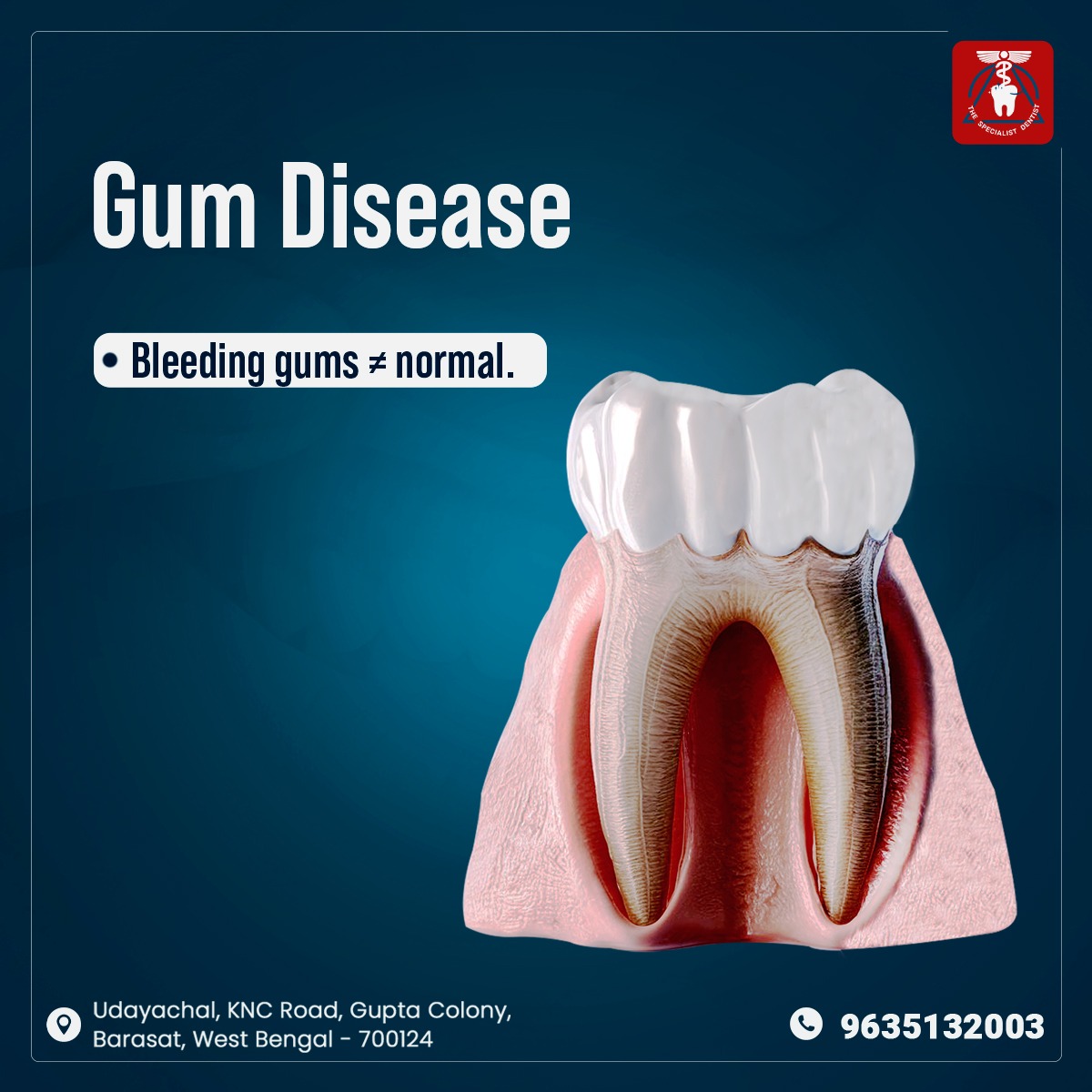
Common Symptoms of Gum Disease
Bleeding may be one of the first noticeable signs of gum inflammation. However, gum disease can cause several other symptoms.
Look out for:
- Red or swollen gums
- Tender or sensitive gums
- Bleeding during brushing
- Persistent bad breath
- Gum recession
- Teeth appearing longer than before
- Pus around the gums
- Loose or shifting teeth
- Pain or discomfort while chewing
- Changes in the way your teeth meet
Moreover, gum disease may sometimes progress with very few noticeable symptoms.
Therefore, regular dental examinations remain important even if you do not experience significant discomfort.
Main Causes of Gum Disease
Gum disease usually develops when plaque accumulates around the teeth and gumline.
Plaque contains bacteria. When it remains on the teeth, the bacteria can contribute to inflammation.
Over time, plaque can harden into tartar. Tartar cannot be effectively removed through ordinary brushing alone. Consequently, professional dental cleaning may be required.
However, gum disease is not caused by plaque alone. Several other factors can influence gum health.
These include:
- Poor oral hygiene
- Smoking or tobacco use
- Diabetes
- Hormonal changes
- Certain medications
- Genetic susceptibility
- Stress and lifestyle factors
- Infrequent dental visits
Therefore, understanding your individual risk factors is an important part of maintaining healthy gums.
Risk Factors for Bleeding Gums and Gum Disease
Some people have a higher risk of developing gum inflammation or periodontal disease.
Tobacco Use
Smoking and tobacco use can negatively affect gum health and increase the risk of periodontal problems.
Diabetes
Diabetes can affect the body’s ability to manage infections and may increase susceptibility to gum disease.
Hormonal Changes
Hormonal changes can make gums more sensitive and prone to inflammation.
Poor Oral Hygiene
Inadequate plaque control can increase the likelihood of gum inflammation.
Family History
Some people may have a greater susceptibility to gum disease because of genetic factors.
Age
The risk of certain periodontal problems can increase with age. However, gum disease is not simply a condition that affects older adults.
Irregular Dental Checkups
Skipping regular dental appointments can allow gum problems to progress unnoticed.
Therefore, professional dental monitoring is an important part of preventive care.
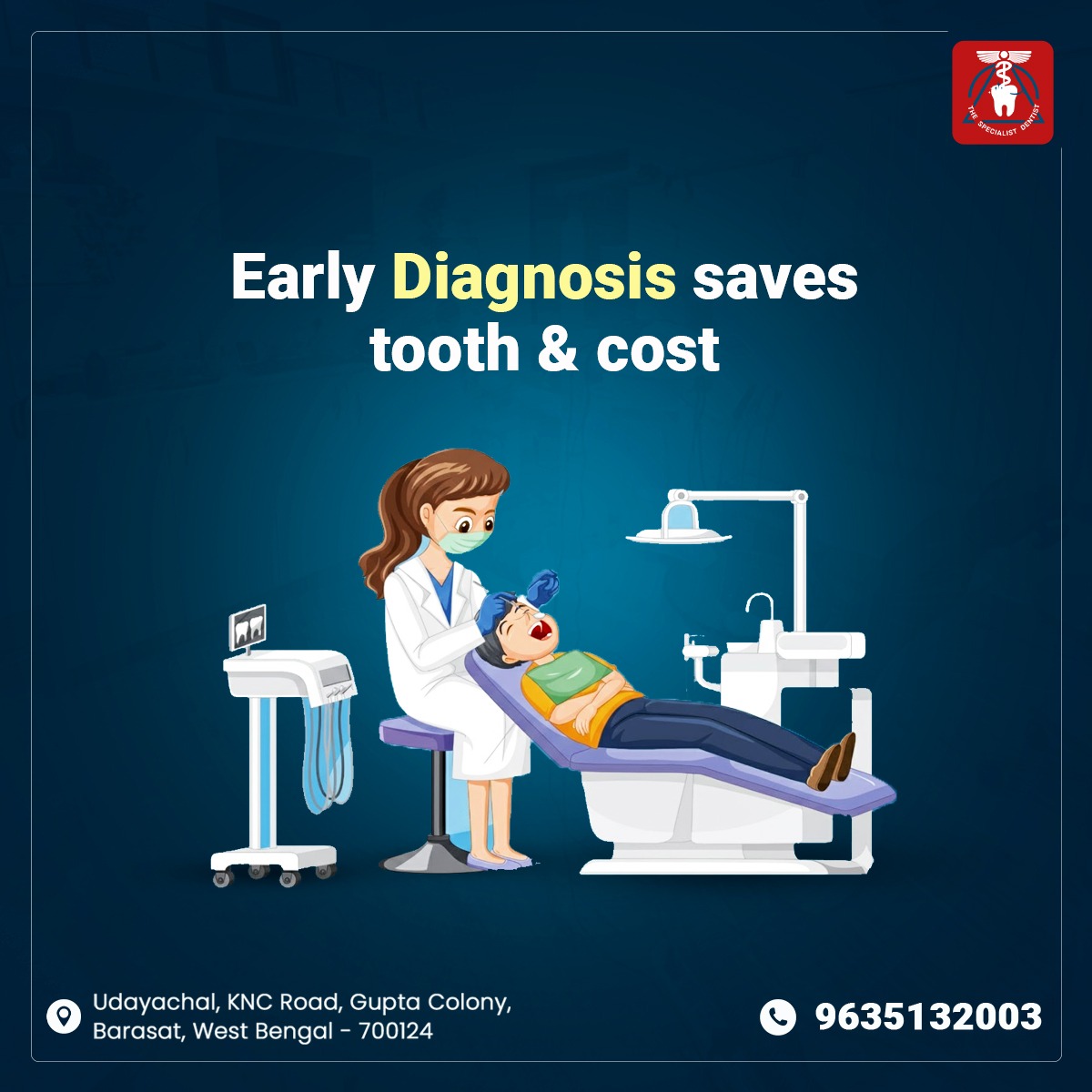
Why Early Diagnosis Matters
Early diagnosis can make gum problems easier to manage.
For example, gingivitis may be identified before it develops into more advanced periodontal disease.
Furthermore, a dentist can evaluate the amount of plaque and tartar, examine the gums, assess the supporting tissues, and identify areas that require attention.
Early care may help:
- Reduce gum inflammation
- Control plaque and tartar buildup
- Prevent progression of gum disease
- Protect the tissues supporting the teeth
- Reduce the risk of tooth loss
- Improve overall oral hygiene
- Maintain healthier gums long-term
Therefore, it is better to investigate repeated bleeding than to wait for severe symptoms.
How Do Dentists Diagnose Gum Problems?
A dental examination is important because bleeding gums can have different causes.
During an appointment, the dentist may:
- Examine the gums for redness and swelling.
- Check for plaque and tartar buildup.
- Assess gum pockets around the teeth.
- Look for signs of gum recession.
- Check whether the teeth are loose or shifting.
- Review your dental and medical history.
- Recommend dental X-rays when clinically necessary.
Based on these findings, your dentist can determine whether the bleeding is related to gingivitis, periodontal disease, local irritation, or another factor.
Consequently, professional diagnosis is much more reliable than trying to identify the cause based only on symptoms.

Professional Treatment Options for Bleeding Gums
Treatment depends on the underlying cause and severity of the problem.
Professional Dental Cleaning
If plaque and tartar buildup are contributing to gum inflammation, professional cleaning may be recommended.
The dental team can remove deposits that are difficult to clean effectively at home.
As a result, professional cleaning can be an important part of managing gum inflammation.
Scaling and Root Surface Cleaning
For patients with more significant plaque and tartar buildup, deeper professional cleaning may be recommended.
The dentist will determine the appropriate treatment based on the condition of your gums and supporting tissues.
Gum Disease Treatment
If gum disease has progressed, treatment may involve more specialised periodontal care.
The goal is to control infection and inflammation while protecting the tissues supporting the teeth.
Treatment of Underlying Causes
If bleeding is related to medication, hormonal changes, or a medical condition, your dentist may coordinate with your doctor when necessary.
Therefore, always provide your dental professional with an accurate medical and medication history.
Follow-Up Care
Gum health requires ongoing monitoring.
After treatment, your dentist may recommend follow-up visits to assess your gums and reduce the risk of recurrence.
Benefits of Professional Dental Treatment
Professional dental care can provide several important benefits.
Early Problem Detection
A dentist can identify gum inflammation before it becomes more advanced.
Better Plaque and Tartar Control
Professional cleaning removes hardened deposits that cannot be removed effectively through routine brushing.
Reduced Gum Inflammation
Treating the underlying cause can help reduce swelling, tenderness, and bleeding.
Protection of Supporting Tissues
Early management can help protect the structures that support your teeth.
Lower Risk of Tooth Loss
Advanced gum disease can contribute to tooth loss. Therefore, timely treatment is important for preserving natural teeth.
Personalised Oral Care
Every patient’s dental needs are different. A dentist can recommend care based on your gum health, oral habits, medical history, and risk factors.
Possible Complications If Bleeding Gums Are Ignored
Occasional bleeding may not indicate a serious condition. However, persistent bleeding should not be ignored.
If gum inflammation continues, it may progress and cause:
- Persistent gum swelling
- Gum recession
- Deepened gum pockets
- Damage to supporting tissues
- Bone loss around teeth
- Loose or shifting teeth
- Tooth loss
- Persistent bad breath
- Difficulty chewing
Moreover, advanced periodontal disease can require more complex treatment.
Therefore, addressing gum problems early can help protect both your gums and natural teeth.
Prevention Tips for Healthier Gums
Good oral care and professional dental monitoring are essential for maintaining healthy gums.
1. Maintain Regular Dental Checkups
Regular examinations help detect gum problems early.
2. Get Professional Cleaning When Recommended
If you develop tartar buildup, your dentist may recommend professional cleaning.
3. Follow Your Dentist’s Oral Hygiene Advice
Your dentist can guide you on appropriate brushing and interdental cleaning based on your individual needs.
4. Avoid Tobacco Products
Tobacco use can significantly affect gum health. Avoiding tobacco is an important part of periodontal care.
5. Manage Health Conditions
If you have a condition such as diabetes, appropriate medical management can also support better oral health.
6. Do Not Ignore Repeated Bleeding
Most importantly, repeated bleeding should be assessed by a dental professional.
When Should You Visit a Dentist?
You should schedule a dental appointment if your gums bleed regularly or if you notice other concerning changes.
Seek professional dental care if you experience:
- Repeated gum bleeding
- Swollen or red gums
- Persistent bad breath
- Gum tenderness
- Receding gums
- Pus around the gums
- Loose teeth
- Pain while chewing
- Changes in your bite
- Teeth becoming sensitive or mobile
Furthermore, seek prompt professional attention if you develop significant swelling, severe pain, or other signs of infection.
Do not wait for symptoms to become severe before getting evaluated.
Myths vs Facts About Bleeding Gums
Myth 1: Bleeding gums are always normal.
Fact: Occasional irritation can cause bleeding, but repeated gum bleeding should be evaluated.
Myth 2: Bleeding gums always mean advanced gum disease.
Fact: No. Bleeding can have several causes, including early gum inflammation, brushing trauma, hormonal changes, medications, and other factors.
Myth 3: If my gums do not hurt, they are healthy.
Fact: Gum disease can sometimes progress without significant pain.
Myth 4: Gum disease only affects older people.
Fact: People of different ages can develop gum disease, especially when risk factors are present.
Myth 5: Professional dental cleaning is only needed when teeth look dirty.
Fact: Tartar and deposits can develop in areas that are difficult to see or clean effectively. Professional examinations and cleaning can help maintain gum health.
Myth 6: You should stop cleaning an area because it bleeds.
Fact: Bleeding can indicate inflammation, so the cause should be evaluated. Your dentist can provide appropriate oral hygiene instructions for your specific condition.
Long-Term Oral Health Importance
Healthy gums are an essential part of a healthy mouth.
Your gums help support and protect the teeth. Therefore, maintaining gum health is about much more than preventing occasional bleeding.
When gum inflammation is ignored for a long period, it can affect the tissues and bone that support your teeth.
Moreover, advanced gum disease can contribute to tooth mobility and eventual tooth loss.
For this reason, gum care should be part of your long-term dental routine.
Regular checkups allow dental professionals to monitor changes over time. In addition, early intervention can often make treatment more manageable.

Conclusion
So, do bleeding gums always mean gum disease? No. Bleeding can happen for several reasons, and not every case indicates advanced periodontal disease.
However, repeated bleeding should never be treated as something you simply have to live with.
Gingivitis, plaque buildup, tartar, hormonal changes, medications, and other factors can contribute to gum bleeding. Furthermore, persistent gum inflammation can progress to more serious periodontal problems if it is not properly managed.
Therefore, the best approach is to identify the cause through a professional dental examination.
Healthy gums should not regularly bleed. If you have noticed repeated bleeding, swelling, redness, bad breath, gum recession, or loose teeth, speak with a dentist rather than waiting for the symptoms to worsen.
Early professional care can help protect your gums, supporting tissues, and natural teeth for the long term.
Book Your Dental Appointment Today
Are your gums bleeding regularly while brushing or flossing?
Do not ignore the warning signs.
Book a dental appointment for a professional gum health assessment. Visit the clinic for a personalised consultation, follow your recommended dental care plan, and schedule regular checkups to protect your oral health.
Your gums deserve professional care. Take the first step towards healthier gums today.