

Introduction
Many people believe orthodontic treatment is only about achieving a beautiful smile. While a straighter smile can certainly boost confidence, the Health Benefits of Orthodontic Treatment extend far beyond appearance.
Crooked, crowded, or misaligned teeth can affect daily activities such as chewing, speaking, and maintaining proper oral hygiene. Moreover, untreated alignment problems may increase the risk of tooth decay, gum disease, jaw discomfort, and excessive tooth wear over time.
Fortunately, modern orthodontic treatments can improve both the appearance and function of your teeth. Therefore, understanding the hidden health advantages of orthodontic care can help patients make informed decisions about their long-term oral health.
In this article, we will explore why straight teeth are more than cosmetic and how orthodontic treatment can positively impact your overall well-being.
What Is Orthodontic Treatment?
Orthodontic treatment focuses on diagnosing, preventing, and correcting problems related to tooth and jaw alignment.
The goal is not only to improve appearance but also to enhance oral function and overall dental health.
Orthodontic treatment may involve:
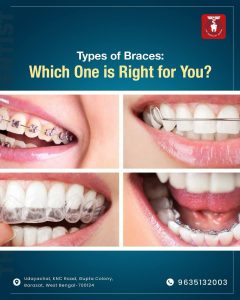
- Traditional braces
- Clear aligners
- Retainers
- Functional appliances
- Other specialized orthodontic devices
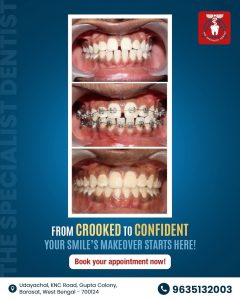
These treatments gradually move teeth into their ideal positions. As a result, patients often experience improved oral health, comfort, and function.

Why Straight Teeth Matter Beyond Appearance
A straight smile often attracts attention. However, properly aligned teeth offer several important health advantages.
When teeth fit together correctly, they function more efficiently. Moreover, cleaning becomes easier because toothbrushes and floss can reach more areas effectively.
Similarly, balanced tooth alignment helps distribute chewing forces evenly across the mouth. Consequently, this reduces excessive pressure on individual teeth and jaw joints.
Straight teeth also contribute to healthier gums and lower the risk of future dental complications.
Common Signs You May Need Orthodontic Treatment
Many orthodontic issues develop gradually.
Some common signs include:
- Crooked or crowded teeth
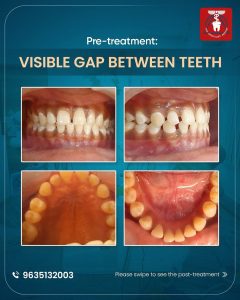
- Gaps between teeth
- Difficulty chewing food
- Frequent biting of cheeks or tongue
- Teeth that do not meet properly
- Speech difficulties
- Jaw clicking or discomfort
- Teeth grinding
- Uneven tooth wear
If you notice any of these symptoms, a professional orthodontic evaluation may be beneficial.
Main Causes of Misaligned Teeth
Several factors can contribute to orthodontic problems.
Genetics
Genetics often play a major role in determining jaw size, tooth size, and overall dental alignment.
As a result, some individuals naturally develop crowded or spaced teeth.
Early Loss of Baby Teeth
Baby teeth serve as placeholders for permanent teeth.
When they are lost too early, neighboring teeth may shift into empty spaces. Consequently, permanent teeth may erupt improperly.
Thumb Sucking and Oral Habits
Prolonged thumb sucking or pacifier use during childhood can affect jaw growth and tooth positioning.
Jaw Growth Differences
Sometimes the upper and lower jaws grow at different rates.
This imbalance may lead to overbites, underbites, or crossbites.
Trauma or Injury
Dental injuries can occasionally alter tooth position and affect bite alignment.
Risk Factors for Orthodontic Problems
Certain factors may increase the likelihood of orthodontic issues.
These include:
- Family history of misaligned teeth
- Childhood oral habits
- Premature loss of baby teeth
- Developmental abnormalities
- Jaw growth irregularities
- Untreated dental problems
Although some factors cannot be controlled, early monitoring can help reduce complications.
Health Benefits of Orthodontic Treatment
Improved Oral Hygiene
One of the most significant Health Benefits of Orthodontic Treatment is easier cleaning.
Crowded or overlapping teeth create tight spaces where plaque and food particles can accumulate.
After alignment correction, brushing and flossing become more effective.
As a result, the risk of cavities and gum disease may decrease significantly.
Reduced Risk of Gum Disease
Healthy gums require proper cleaning and plaque control.
Misaligned teeth can make oral hygiene difficult. Consequently, bacteria may build up along the gumline.
Orthodontic treatment helps create a cleaner environment that supports gum health.
Better Chewing Efficiency
Properly aligned teeth work together more effectively during chewing.
Therefore, food can be broken down more efficiently before swallowing.
This improvement may contribute to better digestion and overall comfort while eating.
Lower Risk of Tooth Wear
When teeth are not aligned correctly, certain teeth may absorb excessive chewing forces.
Over time, this can cause uneven wear, cracks, or enamel damage.
Orthodontic treatment helps distribute pressure more evenly across the entire bite.
Reduced Jaw Strain
Misaligned bites can place unnecessary stress on the jaw joints and surrounding muscles.
As a result, some patients experience discomfort, headaches, or jaw fatigue.
Correcting bite problems may help reduce strain and improve comfort.
Improved Speech
Certain alignment issues can interfere with pronunciation.
For example, gaps, severe overbites, or misaligned teeth may affect speech clarity.
Orthodontic treatment can improve tooth positioning and support clearer speech patterns.
Enhanced Confidence and Mental Well-Being
Although orthodontic treatment offers many physical health advantages, emotional benefits are also important.
Many patients feel more confident after improving their smile.
Consequently, self-esteem and social comfort often improve as well.
Why Early Diagnosis Matters
Early detection allows orthodontic concerns to be addressed before they become more severe.
Moreover, treatment during childhood or adolescence may guide jaw development and simplify future corrections.
Benefits of early diagnosis include:
- Easier treatment planning
- Reduced treatment complexity
- Better long-term outcomes
- Improved oral health
- Lower risk of future complications
However, adults can also benefit greatly from orthodontic treatment.
Treatment Options Available
Modern orthodontics offers several treatment choices.
Traditional Metal Braces
Metal braces remain one of the most effective solutions for correcting complex alignment issues.
They provide precise tooth movement and reliable results.
Ceramic Braces
Ceramic braces function similarly to metal braces.
However, they are less noticeable because they blend with the natural tooth color.
Clear Aligners
Clear aligners offer a discreet alternative to traditional braces.
They are removable and popular among adults and older teenagers.
Retainers
Retainers help maintain results after active orthodontic treatment.
They prevent teeth from shifting back toward their previous positions.
Specialized Orthodontic Appliances
Certain cases may require additional appliances to correct jaw growth and bite relationships.
An orthodontist can recommend the most suitable option based on individual needs.
Benefits of Professional Orthodontic Treatment
Professional orthodontic care provides several advantages.
These include:
- Comprehensive oral assessment
- Customized treatment planning
- Improved bite function
- Better oral hygiene access
- Enhanced aesthetics
- Long-term dental stability
- Reduced risk of future dental problems
Furthermore, professional supervision ensures safe and effective tooth movement throughout treatment.
Prevention Tips for Long-Term Oral Health
While some orthodontic issues cannot be prevented, maintaining good oral health remains essential.
Follow These Tips:
- Schedule regular dental checkups
- Monitor children’s dental development
- Maintain proper brushing and flossing habits
- Wear protective mouthguards during sports
- Address dental concerns promptly
- Attend recommended orthodontic evaluations
- Follow all professional dental advice
Additionally, routine dental visits allow early identification of developing alignment issues.
Possible Complications if Ignored
Ignoring orthodontic problems may lead to various oral health concerns.
Potential complications include:
- Increased risk of cavities
- Gum disease
- Tooth wear
- Jaw discomfort
- Difficulty chewing
- Speech problems
- Tooth fractures
- Bite dysfunction
- Reduced confidence
Therefore, seeking professional evaluation early can help prevent more serious issues later.
When to Visit a Dentist or Orthodontist
Consider scheduling an evaluation if you experience:
- Crooked teeth
- Crowding or spacing
- Bite problems
- Jaw pain
- Difficulty chewing
- Frequent teeth grinding
- Speech concerns
- Noticeable changes in tooth position
Similarly, children should undergo orthodontic assessments as recommended by their dental professionals.
Myths vs Facts
Myth 1: Orthodontic treatment is only cosmetic.
Fact: Orthodontic treatment improves oral health, function, and long-term dental stability.
Myth 2: Only teenagers can get braces.
Fact: Adults of many ages successfully undergo orthodontic treatment.
Myth 3: Crooked teeth are harmless.
Fact: Misaligned teeth may increase the risk of cavities, gum disease, and tooth wear.
Myth 4: Orthodontic treatment always takes several years.
Fact: Treatment duration varies depending on the complexity of each case.
Myth 5: Clear aligners are suitable for every patient.
Fact: The best treatment option depends on individual dental needs and professional evaluation.
Long-Term Oral Health Importance
Straight teeth support far more than appearance.
Proper alignment contributes to:
- Better oral hygiene
- Healthier gums
- Efficient chewing
- Reduced tooth wear
- Improved speech
- Enhanced comfort
- Long-term dental stability
Furthermore, maintaining proper alignment can reduce future dental treatment needs.
Investing in orthodontic care today may help protect oral health for many years to come.
[dentist near me, dental clinic near me, dentist near me, dental clinic near me, dentist near me, dental clinic near me, dentist near me, dental clinic near me, dentist near me, dental clinic near me, dentist near me, dental clinic near me, dentist near me, dental clinic near me, dentist near me, dental clinic near me, dentist near me, dental clinic near me, orthodontics, oral health, oral, dental, dental care, barasat dentist]