

Why Do Teeth Crack Without an Injury? 7 Surprising Reasons
Introduction
Have you ever noticed a tiny crack on your tooth even though you never fell, got hit, or had an accident? It can be surprising and even a little worrying. Many people assume that teeth only crack after a serious injury. However, teeth crack without an injury more often than most people realize.
Although our teeth are the strongest structures in the human body, they are not indestructible. Every day, they handle constant pressure from chewing, grinding, temperature changes, and normal wear. Over time, these small stresses can weaken the tooth and eventually lead to a crack.
The good news is that early diagnosis and professional dental treatment can often save the affected tooth before the damage becomes severe. Therefore, understanding why teeth crack, recognizing the warning signs, and knowing when to visit a dentist are essential for maintaining long-term oral health.
In this article, we’ll explore the seven surprising reasons why teeth crack without an obvious injury, the symptoms you should never ignore, available treatment options, and practical ways to protect your smile.
What Does It Mean When Teeth Crack Without an Injury?
A cracked tooth is exactly what it sounds like—a small or large fracture in the tooth structure. Sometimes the crack is visible, while in other cases it is so tiny that only a dentist can detect it.
Interestingly, not every cracked tooth causes immediate pain. Some people continue eating normally until the crack becomes deeper. As a result, treatment may become more complicated if the problem is ignored.
Cracks can affect different parts of the tooth, including:
- The chewing surface
- The enamel
- The crown
- The root
- Existing dental fillings or restorations
Moreover, the deeper the crack extends, the greater the risk of infection and tooth loss.
Common Symptoms of a Cracked Tooth
The symptoms vary depending on the size and location of the crack. However, there are several warning signs you should never ignore.
Common symptoms include:
- Sharp pain while chewing
- Pain that comes and goes
- Sensitivity to hot foods
- Sensitivity to cold drinks
- Pain when releasing your bite
- Swollen gums near one tooth
- Occasional discomfort without an obvious cause
- Visible hairline crack or rough edge
In some cases, the tooth may appear completely normal even though a crack exists underneath the enamel.
7 Surprising Reasons Teeth Crack Without an Injury
1. Teeth Grinding (Bruxism)
Many people grind or clench their teeth while sleeping without realizing it.
Night after night, this repeated pressure creates microscopic cracks in the enamel. Eventually, these tiny cracks become larger and more noticeable.
Furthermore, untreated bruxism can wear down teeth, damage fillings, and strain the jaw muscles.
Signs of teeth grinding include:
- Morning jaw pain
- Frequent headaches
- Flattened teeth
- Worn enamel
- Tooth sensitivity
Because the pressure is repetitive, even healthy teeth can develop cracks over time.

2. Chewing Hard Foods Frequently
Some foods require significant biting force. While one bite may not cause damage, repeated stress gradually weakens the tooth.
Examples include:
- Ice cubes
- Hard candies
- Popcorn kernels
- Nuts with shells
- Hard biscuits
Consequently, small fractures may develop without you noticing immediately.
People often remember eating something hard only after the tooth begins hurting days later.
3. Large Old Fillings
Dental fillings restore damaged teeth, but they do not last forever.
Over the years, fillings may weaken or loosen because of normal wear and tear. Meanwhile, the remaining natural tooth structure becomes thinner.
As a result, the tooth becomes more vulnerable to cracking under everyday chewing pressure.
Regular dental checkups help identify aging restorations before they become a bigger problem.
4. Sudden Temperature Changes
Extreme temperature differences can stress the tooth structure.
For example:
- Drinking ice-cold water immediately after hot coffee
- Eating hot soup followed by frozen desserts
- Switching quickly between very hot and very cold foods
Although healthy teeth usually tolerate temperature changes, repeated exposure may contribute to tiny enamel cracks, especially in weakened teeth.
5. Age-Related Wear and Tear
Our teeth experience thousands of chewing cycles every single day.
Therefore, it is natural for enamel to wear gradually over time. Adults over 40 often develop tiny cracks simply because their teeth have been under constant pressure for decades.
This doesn’t mean aging always causes serious tooth damage. However, older teeth deserve regular monitoring to prevent complications.
6. Weak Tooth Structure
Some teeth naturally become weaker because of previous dental problems.
This may happen due to:
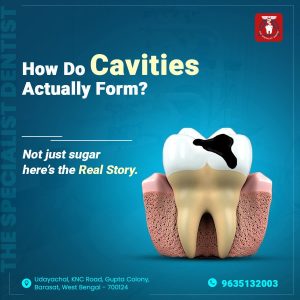
- Deep cavities
- Previous root canal treatment
- Large restorations
- Repeated dental procedures
- Enamel erosion
Consequently, even normal chewing forces may cause these weakened teeth to crack.
7. Bite Misalignment
When the upper and lower teeth do not meet properly, certain teeth absorb more pressure than others.
Over months or years, these overloaded teeth may develop cracks.
Common bite problems include:
- Uneven bite
- Misaligned teeth
- Missing teeth causing imbalance
- Jaw alignment issues
Fortunately, dentists can often identify bite problems during routine examinations before serious damage occurs.
Risk Factors
Several factors increase the chances of developing cracked teeth.
These include:
- Older age
- Teeth grinding
- Frequent chewing of hard foods
- Large dental fillings
- Untreated cavities
- Acid erosion
- Misaligned bite
- Previous dental trauma
- Poor oral hygiene
- Delaying regular dental visits
The more risk factors a person has, the higher the likelihood of developing a cracked tooth.
Why Early Diagnosis Matters
A small crack may seem harmless initially. However, the crack often grows deeper over time.
If bacteria enter the crack, they can infect the inner pulp of the tooth.
Early diagnosis offers several benefits:
- Saves more natural tooth structure
- Prevents infection
- Reduces treatment complexity
- Improves treatment success
- Lowers long-term dental costs
- Helps preserve your natural smile
Therefore, never ignore unusual tooth pain or sensitivity.
Professional Treatment Options
The best treatment depends on the location, size, and depth of the crack.
Dental Bonding
For tiny surface cracks, tooth-colored bonding material may restore appearance and strengthen the tooth.
Dental Crown
If the crack is moderate but the tooth can still be saved, a dental crown provides full coverage and protects it from further damage.
Crowns are one of the most common treatments for cracked teeth.
Root Canal Treatment
When the crack reaches the dental pulp, bacteria may cause infection.
In such cases, root canal treatment removes the infected tissue while preserving the outer tooth structure.
Afterward, a crown is usually recommended for additional protection.
Tooth Extraction
Unfortunately, some cracks extend below the gum line or split the tooth completely.
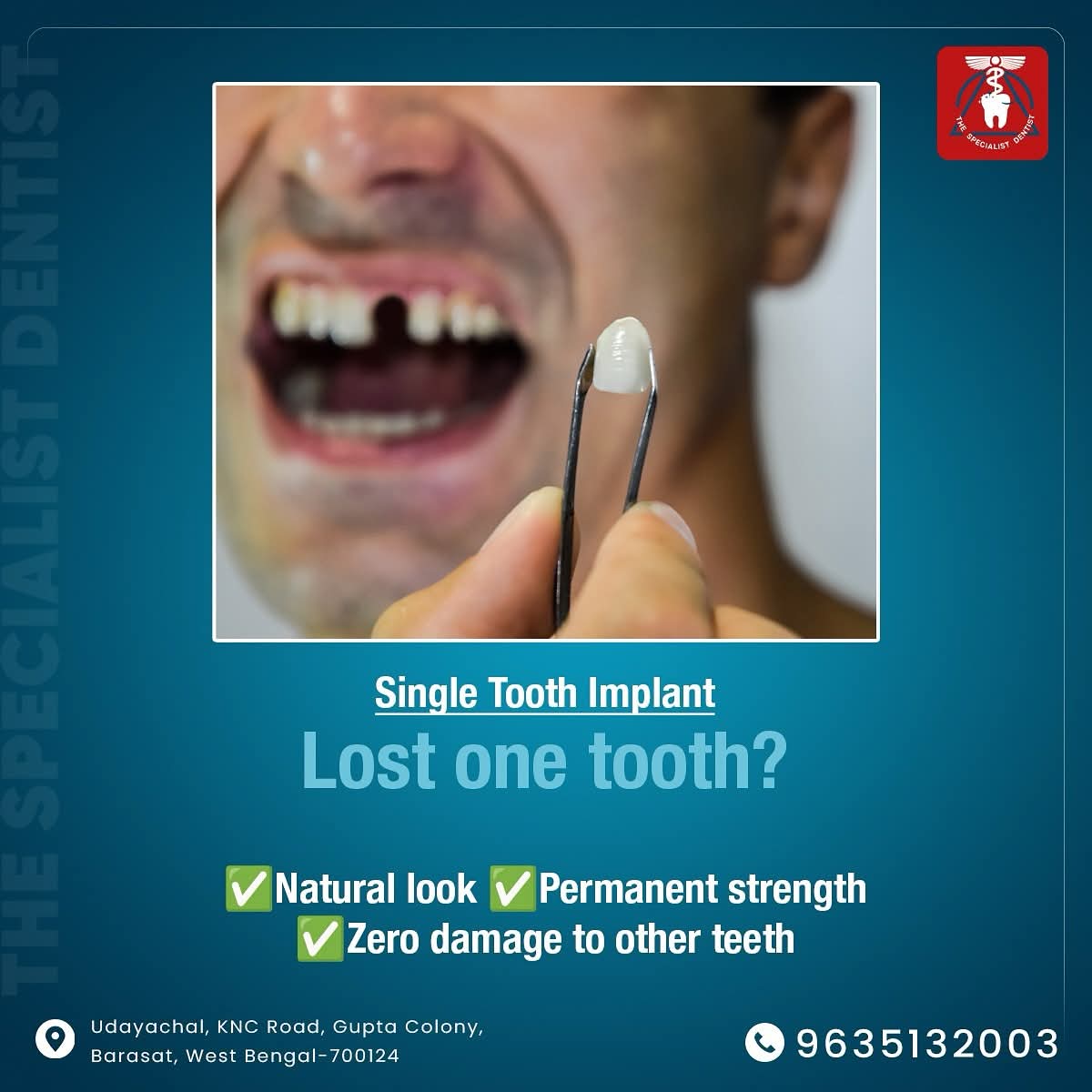
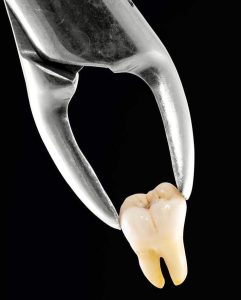
If the tooth cannot be repaired, extraction becomes the safest option to prevent infection and protect surrounding teeth.
Your dentist may then recommend replacing the missing tooth with a dental implant, dental bridge, or another suitable restoration.
Benefits of Professional Dental Treatment
Seeking professional care offers several advantages.
These include:
- Accurate diagnosis
- Modern digital imaging
- Pain relief
- Preservation of natural teeth
- Reduced infection risk
- Improved chewing ability
- Better appearance
- Long-term oral health protection
Moreover, early treatment is usually less invasive than treating advanced cracks.
Prevention Tips
Although not every cracked tooth can be prevented, healthy habits significantly reduce your risk.
Follow these preventive measures:
- Visit your dentist regularly.
- Wear a night guard if you grind your teeth.
- Avoid chewing ice and other hard objects.
- Replace old fillings when recommended.
- Maintain excellent oral hygiene.
- Brush twice daily with fluoride toothpaste.
- Floss every day.
- Address bite problems early.
- Attend routine dental examinations.
- Seek professional care for persistent tooth sensitivity.
Small preventive steps today can help avoid major dental treatments later.
What Happens If You Ignore a Cracked Tooth?
Ignoring a cracked tooth rarely makes the problem disappear.
Instead, the crack often becomes larger with continued chewing.
Possible complications include:
- Severe tooth pain
- Dental infection
- Gum swelling
- Abscess formation
- Broken tooth
- Root damage
- Difficulty chewing
- Tooth loss
- More expensive treatment
Therefore, prompt professional evaluation is always the safest choice.
When Should You Visit a Dentist?
Book a dental appointment if you notice:
- Pain while chewing
- Sudden tooth sensitivity
- A visible crack
- Swelling around one tooth
- Pain that comes and goes
- Sharp discomfort when biting
- A chipped tooth with sensitivity
- Unexplained tooth pain
Even if the symptoms seem mild, early examination can prevent more serious problems.
Myths vs Facts
| Myth | Fact |
|---|---|
| Teeth only crack after an accident. | Everyday chewing, grinding, aging, and bite problems can also cause cracks. |
| If there is no pain, the tooth is healthy. | Many cracked teeth cause little or no pain initially. |
| Small cracks always heal naturally. | Teeth cannot repair cracks on their own. Professional evaluation is necessary. |
| Cracked teeth always need extraction. | Many cracked teeth can be successfully treated if diagnosed early. |
| Young people cannot get cracked teeth. | People of any age can develop cracked teeth under certain conditions. |
Why Long-Term Oral Health Matters
Your natural teeth are designed to last a lifetime with proper care.
Regular dental visits help detect problems before they become serious. Consequently, small cracks can often be treated before they threaten the entire tooth.
Maintaining healthy teeth also improves chewing, speech, confidence, and overall quality of life.
Furthermore, healthy teeth reduce the need for complex and expensive dental procedures in the future.
Investing in preventive dental care today helps protect your smile for years to come.
5. Can a cracked tooth be saved?
In many cases, yes. Early treatment with bonding, a dental crown, or root canal therapy can preserve the natural tooth. However, severely cracked teeth may require extraction.
6. Is it safe to ignore a small tooth crack?
No. Even tiny cracks can become deeper over time, increasing the risk of infection, severe pain, and tooth loss.
Conclusion
Discovering that teeth crack without an injury can be surprising, but it is a common dental concern. Everyday habits, aging, bite problems, worn fillings, and teeth grinding can all weaken the tooth over time. Fortunately, early diagnosis and timely professional treatment can prevent further damage and often save the natural tooth.
If you experience unexplained tooth pain, sensitivity, or notice a visible crack, do not delay seeking dental care. Prompt evaluation allows your dentist to recommend the most suitable treatment and protect your long-term oral health.
Schedule Your Dental Consultation Today
A cracked tooth should never be ignored. Early professional care can help relieve discomfort, prevent complications, and preserve your natural smile.
If you’re experiencing tooth sensitivity, pain while chewing, or think you may have a cracked tooth, schedule a comprehensive dental consultation today. Our experienced dental team will assess your condition, provide an accurate diagnosis, and recommend the most appropriate treatment to keep your smile healthy and strong.
Book your appointment today and take the first step toward protecting your oral health with expert dental care.
[Dentist near me, Barasat dental clinic, Dental clinic near me, Dentist near me, Barasat dental clinic, Dental clinic near me, Dentist near me, Barasat dental clinic, Dental clinic near me, Dentist near me, Barasat dental clinic, Dental clinic near me, Dentist near me, Barasat dental clinic, Dental clinic near me, Dentist near me, Barasat dental clinic, Dental clinic near me, Dentist near me, Barasat dental clinic, Dental clinic near me, Dentist near me, Barasat dental clinic, Dental clinic near me, Dentist near me, Barasat dental clinic, Dental clinic near me, Dentist near me, Barasat dental clinic, Dental clinic near me, Dentist near me, Barasat dental clinic, Dental clinic near me, Dentist near me, Barasat dental clinic, Dental clinic near me, Dentist near me, Barasat dental clinic, Dental clinic near me, Dentist near me, Barasat dental clinic, Dental clinic near me, Dentist near me, Barasat dental clinic, Dental clinic near me, Dentist near me, Barasat dental clinic, Dental clinic near me, Dentist near me, Barasat dental clinic, Dental clinic near me, ]