

Introduction
Many people believe that brushing twice a day is enough to protect their teeth and gums. While good oral hygiene is essential, it may not always be sufficient when teeth are crowded. In fact, crowded teeth and gum disease are closely connected because overlapping or tightly packed teeth create areas that are difficult to clean effectively.
Even individuals with excellent brushing habits can develop cavities and gum problems if plaque and food particles remain trapped between crowded teeth. Moreover, these hard-to-reach spaces can allow harmful bacteria to accumulate over time, increasing the risk of oral health complications.
Understanding how dental crowding affects oral health can help patients recognize the importance of early diagnosis and professional treatment. This comprehensive guide explains why crowded teeth increase the risk of cavities and gum disease, the warning signs to watch for, and the treatment options available to protect long-term oral health.
What Are Crowded Teeth?
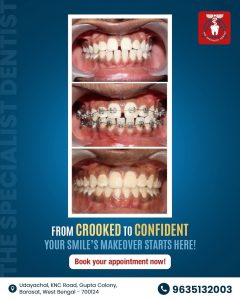
Crowded teeth occur when there is insufficient space in the jaw to accommodate all teeth in proper alignment.
As a result, teeth may overlap, twist, rotate, or become displaced. Crowding can affect a few teeth or involve the entire dental arch.
Although many people view crowding as a cosmetic concern, it is also a significant oral health issue. Furthermore, even mild crowding can make effective cleaning more difficult.
Because of this, crowded teeth often require professional evaluation and management.

How Proper Tooth Alignment Supports Oral Health
When teeth are properly aligned, brushing and flossing become more effective.
Food particles and plaque are easier to remove from smooth, accessible tooth surfaces. Moreover, healthy alignment allows the gums to fit snugly around the teeth, creating a better defense against bacteria.
A balanced bite also distributes chewing forces evenly across the mouth.
Meanwhile, crowded teeth create hidden spaces where plaque can accumulate.
Consequently, maintaining oral health becomes more challenging.
Common Symptoms of Dental Crowding
Crowding may present with both visible and functional symptoms.
Common signs include:
- Overlapping teeth
- Rotated teeth
- Teeth that appear twisted
- Difficulty flossing between teeth
- Food frequently getting stuck
- Bleeding gums during brushing or flossing
- Bad breath
- Increased plaque buildup
- Difficulty cleaning certain areas
- Uneven tooth wear
Moreover, some individuals may not notice symptoms until cavities or gum disease develop.
Why Crowded Teeth Increase the Risk of Cavities and Gum Disease
Crowded Teeth and Gum Disease: Understanding the Connection
The relationship between crowded teeth and gum disease is largely linked to oral hygiene challenges.
Even with consistent brushing, tightly packed teeth create areas that toothbrush bristles and floss may not fully reach.
As a result, plaque can remain on tooth surfaces for extended periods.
Consequently, bacteria continue to multiply and produce acids that attack teeth and gums.
Plaque Accumulates More Easily
Plaque is a sticky film of bacteria that constantly forms on teeth.
Normally, brushing and flossing remove much of this plaque.
However, crowded areas create narrow spaces where plaque can hide.
Therefore, even diligent oral hygiene routines may leave behind bacterial deposits.
Increased Risk of Cavities
Cavities develop when bacteria produce acids that damage tooth enamel.
Because crowded teeth trap plaque more effectively, the risk of decay increases.
For example, overlapping teeth often create surfaces that are difficult to inspect and clean.
As a result, cavities may develop unnoticed until they become larger.
Moreover, decay between crowded teeth can be particularly difficult to detect without professional examinations and dental X-rays.
Higher Risk of Gum Inflammation
The gums react to bacterial plaque by becoming inflamed.
Early gum inflammation is known as gingivitis.
Common symptoms include:
- Red gums
- Swollen gums
- Bleeding during brushing
- Tenderness
Because plaque accumulates more readily around crowded teeth, gingivitis is often more common in these patients.
Progression to Gum Disease
If gingivitis remains untreated, it can progress to periodontal disease.
This more advanced condition affects the supporting tissues and bone around teeth.
Consequently, gum disease can eventually lead to tooth mobility and tooth loss.
Furthermore, periodontal disease often develops gradually and may not cause pain in its early stages.
Difficulty Flossing Effectively
Flossing plays an important role in cleaning between teeth.
However, crowded teeth may create spaces that are difficult to access.
As a result, patients may struggle to clean these areas thoroughly.
Therefore, bacteria and plaque can continue to accumulate despite good intentions.
Food Retention in Crowded Areas
Food particles often become trapped between overlapping teeth.
Meanwhile, trapped debris provides a food source for bacteria.
Consequently, bacterial growth increases, further elevating the risk of cavities and gum disease.
Increased Tartar Formation
When plaque remains on teeth for extended periods, it hardens into tartar.
Unlike plaque, tartar cannot be removed through brushing alone.
Therefore, professional dental cleanings become necessary.
Moreover, tartar creates rough surfaces that attract even more plaque.
Bad Breath and Oral Health Concerns
Persistent bad breath may occur when bacteria accumulate in crowded areas.
As bacterial activity increases, unpleasant odors can develop.
Consequently, oral hygiene concerns may affect confidence and social interactions.
Main Causes of Crowded Teeth
Several factors can contribute to dental crowding.
Genetics
Genetics is one of the most common causes.
For example, a person may inherit a small jaw and relatively large teeth.
As a result, insufficient space becomes available for proper alignment.
Early Loss of Baby Teeth
Premature loss of primary teeth can affect the positioning of permanent teeth.
Consequently, crowding may develop during eruption.
Delayed Tooth Eruption
Delayed eruption patterns may alter alignment and spacing.
Impacted Teeth
Teeth that fail to erupt properly can contribute to crowding.
Oral Habits
Certain childhood habits may influence jaw development and tooth positioning.
Furthermore, multiple factors often contribute simultaneously.
Risk Factors for Dental Crowding
Some individuals are more likely to develop crowded teeth.
Common risk factors include:
- Family history of crowding
- Small jaw size
- Early loss of baby teeth
- Impacted teeth
- Developmental factors
- Untreated orthodontic issues
- Previous dental trauma
Because of these risks, regular dental evaluations remain important throughout childhood and adulthood.
Why Early Diagnosis Matters
Early diagnosis helps identify crowding before serious complications develop.
When crowding is detected early, treatment planning may be more straightforward.
Moreover, addressing alignment concerns sooner may reduce the risk of cavities and gum disease.
In children, early orthodontic assessments can help monitor jaw growth and tooth eruption.
Similarly, adults benefit from timely evaluations that prevent worsening oral health issues.
Treatment Options for Crowded Teeth
The most appropriate treatment depends on the severity of crowding and individual needs.
Orthodontic Treatment
Orthodontics remains the most effective approach for correcting crowding.
Braces
Traditional braces gradually move teeth into healthier positions.
They are highly effective for mild to severe crowding.
Clear Aligners
Clear aligners offer a discreet alternative for many patients.
Moreover, they can be removed for eating and oral hygiene.
Retainers
Retainers help maintain results after active orthodontic treatment.
Professional Periodontal Care
Patients with gum disease may require specialized periodontal treatment.
This helps control infection and support gum health.
Restorative Treatment
If cavities have developed, restorative procedures may be necessary.
Therefore, comprehensive evaluation is essential for creating an effective treatment plan.
Benefits of Professional Dental Treatment
Professional treatment offers numerous advantages.
Improved Oral Hygiene Access
Straighter teeth are easier to clean effectively.
Reduced Risk of Cavities
Removing crowded areas decreases plaque retention.
Healthier Gums
Improved alignment supports better gum health.
Better Function
Properly aligned teeth often improve chewing efficiency.
Enhanced Appearance
Many patients also experience improved smile aesthetics.
Furthermore, treatment supports both immediate and long-term oral health goals.
Prevention Tips
While some causes of crowding cannot be prevented, several strategies help reduce complications.
Helpful prevention measures include:
- Maintain regular dental checkups
- Attend recommended orthodontic evaluations
- Brush and floss consistently
- Schedule professional cleanings
- Follow personalized oral hygiene instructions
- Address dental problems early
Moreover, preventive care helps identify concerns before they progress.
Possible Complications if Ignored
Ignoring crowded teeth can lead to several oral health issues.
Potential complications include:
- Cavities
- Gingivitis
- Periodontal disease
- Bad breath
- Tooth sensitivity
- Tooth wear
- Tooth loss
- More complex future treatment needs
Consequently, delaying treatment may increase both health risks and treatment complexity.
When to Visit a Dentist
You should seek professional evaluation if you notice:
- Overlapping teeth
- Difficulty flossing
- Frequent food trapping
- Bleeding gums
- Persistent bad breath
- Recurring cavities
- Gum swelling
Moreover, routine dental visits remain essential even if no symptoms are present.
Myths vs Facts
Myth: Good brushing prevents all dental problems.
Fact:
Even excellent brushing may not fully clean crowded areas.
Myth: Crowded teeth are only a cosmetic issue.
Fact:
Crowding can significantly increase the risk of cavities and gum disease.
Myth: If my teeth do not hurt, everything is fine.
Fact:
Many cavities and gum problems develop without early pain.
Myth: Adults cannot correct crowded teeth.
Fact:
Orthodontic treatment can be effective for adults as well as children.
Myth: Flossing is unnecessary if I brush well.
Fact:
Flossing helps clean areas that brushing alone cannot reach.

Long-Term Oral Health Importance
Proper tooth alignment contributes significantly to lifelong oral health.
When teeth are positioned correctly, plaque removal becomes easier and more effective.
Moreover, healthy alignment supports gum health, reduces bacterial accumulation, and lowers the risk of future complications.
The connection between crowded teeth and gum disease highlights why alignment concerns should never be viewed as purely cosmetic. In fact, correcting crowding can play an important role in protecting both teeth and gums for years to come.
Therefore, early evaluation and professional treatment can be valuable investments in long-term oral wellness.
[dentist near me, dental clinic near me, dentist near me, dental clinic near me, dentist near me, dental clinic near me, dentist near me, dental clinic near me, dentist near me, dental clinic near me, dentist near me, dental clinic near me, dentist near me, dental clinic near me, dentist near me, dental clinic near me, dentist near me, dental clinic near me, dentist near me, dental clinic near me, dentist near me, dental clinic near me, oral care, oral health, crowded teeth, dental care]