

Introduction
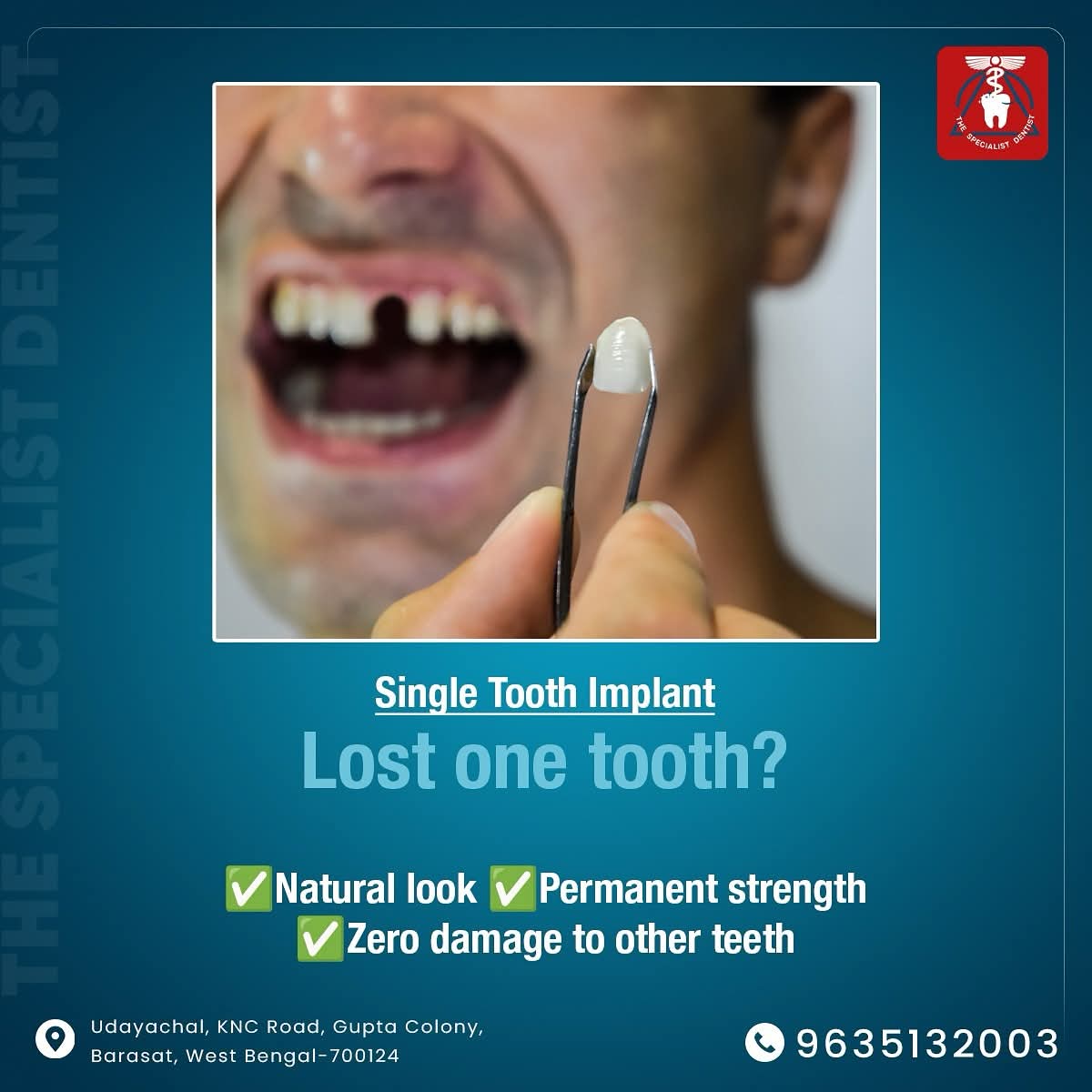
Have you ever noticed that some people appear older after losing several teeth? Many individuals assume tooth loss only affects their smile. However, the impact goes much deeper than appearance. One of the most significant yet often overlooked consequences is the effect of Missing Teeth and Facial Structure.
Your teeth do much more than help you chew and speak. They also provide support to your facial muscles, lips, cheeks, and jawbone. When teeth are missing, these supporting structures can gradually change. As a result, the face may begin to look sunken, aged, or less defined over time.
Moreover, tooth loss can affect oral function, confidence, and overall quality of life. Understanding these hidden effects is important because early intervention can help preserve both oral health and facial appearance.
In this article, we will explore how missing teeth influence facial structure, why tooth loss accelerates signs of aging, and what professional treatment options can help maintain a healthy and youthful smile.
What Is the Connection Between Missing Teeth and Facial Structure?
The relationship between teeth and facial appearance is stronger than many people realize.
Your teeth act as structural supports for the lower portion of your face. They help maintain the natural shape of your cheeks, lips, and jawline. In addition, the roots of your teeth stimulate the jawbone whenever you chew.
When a tooth is lost, the surrounding bone no longer receives normal stimulation. Consequently, the body begins to break down and absorb that bone over time. This process is known as bone resorption.
As bone volume decreases, the facial structure may gradually change. Therefore, tooth loss often affects both oral health and overall appearance.
How Teeth Support Facial Appearance
Healthy teeth contribute significantly to facial balance and symmetry.
Support for the Lips
Teeth provide internal support for the lips.
When multiple teeth are missing, the lips may appear thinner or collapsed. As a result, the face can take on an older appearance.
Support for the Cheeks
Your teeth help maintain the natural fullness of your cheeks.
Without adequate support, cheeks may begin to sag inward. Consequently, facial contours become less defined.
Preservation of Jawbone
Tooth roots stimulate the jawbone through everyday chewing and biting.
Because of this constant stimulation, the bone remains healthy and strong. However, tooth loss interrupts this process and can lead to bone deterioration.
Maintaining Facial Height
Teeth help preserve the natural distance between the upper and lower jaws.
When several teeth are missing, facial height may decrease. This often creates a collapsed appearance around the mouth.
Common Symptoms of Facial Changes Due to Missing Teeth
The effects of tooth loss often develop gradually.
Common signs include:
- Sunken cheeks
- Thin or unsupported lips
- Increased facial wrinkles
- Sagging skin around the mouth
- Reduced jawline definition
- Collapsed facial appearance
- Changes in facial proportions
- Premature aging signs
- Difficulty chewing
- Changes in speech
Many patients are surprised to learn that these changes can begin shortly after tooth loss.
Main Causes of Tooth Loss
Several factors can lead to missing teeth.
Gum Disease
Advanced periodontal disease is one of the leading causes of tooth loss.
It damages the tissues and bone that support the teeth.
Tooth Decay
Severe untreated cavities may eventually destroy a tooth beyond repair.
Consequently, extraction may become necessary.
Dental Trauma
Sports injuries, accidents, and falls can result in tooth loss.
Failed Dental Restorations
In some cases, older restorations may fail, leading to complications that require tooth removal.
Medical and Health Factors
Certain medical conditions and medications may increase the risk of tooth loss over time.
Risk Factors for Facial Structure Changes
Not everyone experiences facial changes at the same rate.
Several factors influence how quickly these changes occur.
Common Risk Factors Include:
- Multiple missing teeth
- Untreated tooth loss
- Advanced gum disease
- Smoking
- Poor oral hygiene
- Chronic health conditions
- Older age
- Delayed dental treatment
Moreover, the longer teeth remain missing, the greater the risk of significant structural changes.
Why Early Diagnosis Matters
Early diagnosis allows dental professionals to address tooth loss before major complications develop.
Furthermore, timely treatment helps preserve jawbone volume and facial support.
Benefits of early intervention include:
- Better treatment outcomes
- Reduced bone loss
- Improved facial aesthetics
- Enhanced chewing ability
- Preservation of oral function
- Greater treatment options
As a result, patients often enjoy more predictable long-term outcomes.
How Missing Teeth and Facial Structure Changes Contribute to Aging
One of the most important concerns associated with tooth loss is premature aging.
Jawbone Shrinkage
When tooth roots are absent, the jawbone gradually loses density and volume.
Consequently, the lower face may appear shorter and less supported.
Increased Wrinkles Around the Mouth
Loss of support can cause the skin around the mouth to fold inward.
As a result, wrinkles and fine lines often become more noticeable.
Sunken Facial Appearance
Bone loss and reduced muscle support may create a hollow or sunken look.
This change can make individuals appear older than their actual age.
Altered Facial Proportions
Missing teeth can affect the balance between facial features.
Consequently, the overall facial profile may change over time.
Reduced Muscle Tone
Facial muscles rely on proper support from teeth and bone structures.
Without that support, muscle tone may gradually decrease.
Treatment Options for Missing Teeth
Modern dentistry offers several effective solutions to restore missing teeth and help maintain facial structure.
Dental Implants
Dental implants are often considered the gold standard for tooth replacement.
Unlike many alternatives, implants replace both the visible tooth and the root.
As a result, they help stimulate the jawbone and reduce bone loss.
Benefits of Dental Implants
- Preserve jawbone health
- Support facial structure
- Natural appearance
- Long-lasting results
- Improved chewing ability
Dental Bridges
Bridges replace one or more missing teeth by connecting artificial teeth to neighboring teeth.
They restore appearance and function effectively.
However, they do not replace the tooth root.
Dentures
Dentures can replace multiple missing teeth and improve appearance.
Moreover, they help restore speech and chewing function.
Although dentures provide support, they do not fully prevent jawbone shrinkage.
Bone Grafting
Patients with significant bone loss may benefit from bone grafting procedures.
These treatments help rebuild bone volume and improve treatment options.
Benefits of Professional Dental Treatment
Seeking professional treatment provides advantages that go far beyond aesthetics.
Key Benefits Include:
- Improved facial support
- Better oral function
- Enhanced chewing ability
- Clearer speech
- Increased confidence
- Preservation of jawbone health
- Prevention of further complications
Furthermore, professional treatment plans are customized to each patient’s unique needs.

Prevention Tips
Preventing tooth loss is one of the most effective ways to protect facial structure.
Recommended Prevention Strategies
- Brush twice daily
- Floss every day
- Schedule routine dental checkups
- Treat gum disease promptly
- Address cavities early
- Wear protective sports mouthguards
- Avoid tobacco use
- Follow professional dental advice
In addition, regular dental visits allow early detection of potential problems.
Possible Complications if Ignored
Ignoring missing teeth can lead to serious oral health concerns.
Potential complications include:
- Progressive jawbone loss
- Increased facial aging
- Shifting of neighboring teeth
- Bite problems
- Difficulty chewing
- Speech difficulties
- Additional tooth loss
- Reduced confidence
- More complex future treatment needs
Therefore, delaying treatment often makes restoration more challenging.
When to Visit a Dentist
You should schedule a dental evaluation if you experience:
- Missing teeth
- Loose teeth
- Changes in facial appearance
- Difficulty chewing
- Speech changes
- Jaw discomfort
- Gum disease symptoms
- Concerns about facial aging
Similarly, patients who have recently lost a tooth should seek professional guidance as soon as possible.

Myths vs Facts
Myth 1: Missing one tooth is not a serious problem.
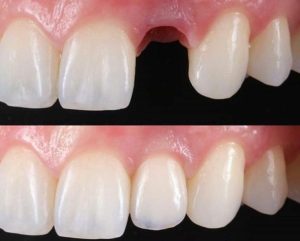
Fact: Even a single missing tooth can lead to bone loss and shifting of nearby teeth.
Myth 2: Facial aging is only caused by getting older.
Fact: Tooth loss and jawbone deterioration can significantly contribute to premature aging.
Myth 3: Dentures completely prevent bone loss.
Fact: Dentures restore function and appearance but do not fully replace root stimulation.
Myth 4: Tooth loss only affects appearance.
Fact: Missing teeth can impact chewing, speech, oral health, and facial structure.
Myth 5: Treatment can wait indefinitely.
Fact: Early treatment often provides better long-term outcomes and more treatment options.
Long-Term Oral Health Importance
Maintaining a full and healthy smile supports much more than appearance.
Proper tooth replacement helps preserve:
- Jawbone strength
- Facial balance
- Speech function
- Chewing efficiency
- Oral comfort
- Self-confidence
- Overall oral health
Moreover, preserving facial structure contributes to a more youthful appearance and improved quality of life.
Investing in dental health today can help prevent significant complications in the future.
[dentist near me, dental clinic near me, dentist near me, dental clinic near me, dentist near me, dental clinic near me, dentist near me, dental clinic near me, dentist near me, dental clinic near me, dentist near me, dental clinic near me, dentist near me, dental clinic near me, oral health, oral care, dentistry, orthodontics, oral crae]