

Introduction
Have you ever wondered how crooked teeth gradually become straight during orthodontic treatment? Many patients are surprised to learn that teeth are not fixed permanently in place. Instead, they can move safely and predictably when guided by professional orthodontic treatment. The science behind tooth movement involves a fascinating biological process that allows braces and aligners to reposition teeth over time.
Whether you are considering braces for yourself or exploring clear aligners for your child, understanding how orthodontic treatment works can help you feel more confident about the process. Moreover, knowing the science behind tooth movement helps patients appreciate why treatment requires time, consistency, and professional supervision.
In this comprehensive guide, we will explain how braces and aligners move teeth, what happens inside the mouth during treatment, and why orthodontic care plays an important role in long-term oral health.
What Is the Science Behind Tooth Movement?
The science behind tooth movement refers to the biological process that allows teeth to change position within the jawbone when controlled pressure is applied.
Contrary to popular belief, orthodontic treatment does not simply push teeth through the bone. Instead, the body naturally responds to gentle, continuous forces by remodeling the surrounding bone and tissues.
As a result, teeth gradually move into healthier positions over time.
This process is carefully controlled by orthodontists to ensure safe and predictable outcomes.

Common Signs That Orthodontic Treatment May Be Needed
Many patients seek orthodontic care because of visible alignment concerns.
Common signs include:
- Crooked teeth
- Crowded teeth
- Gaps between teeth
- Overbite
- Underbite
- Crossbite
- Open bite
- Difficulty chewing
- Speech difficulties
- Jaw discomfort
- Frequent biting of cheeks or tongue
Moreover, some alignment issues may affect oral health even when they are not immediately noticeable.
Main Causes of Tooth Misalignment
Orthodontic problems can develop for several reasons.
Genetics
Inherited jaw size and tooth size often influence alignment.
For example, a small jaw combined with larger teeth may lead to crowding.
Childhood Habits
Certain habits during childhood may affect tooth positioning.
Examples include:
- Thumb sucking
- Extended pacifier use
- Tongue thrusting
Premature Tooth Loss
Losing baby teeth too early can affect the eruption path of permanent teeth.
Delayed Tooth Eruption
Similarly, delayed eruption may contribute to spacing or alignment issues.
Trauma
Dental injuries can alter tooth position and affect bite development.
Risk Factors for Orthodontic Problems
Several factors increase the likelihood of needing orthodontic treatment.
Common risk factors include:
- Family history of crooked teeth
- Jaw growth abnormalities
- Missing teeth
- Childhood oral habits
- Untreated dental issues
- Developmental concerns
- Previous dental trauma
Because of these factors, routine dental examinations are essential for early detection.
Why Early Diagnosis Matters
Early diagnosis allows dentists and orthodontists to identify developing problems before they become more severe.
In children, monitoring jaw growth can help guide treatment planning.
For adults, early intervention may prevent worsening crowding and bite problems.
Furthermore, addressing orthodontic concerns sooner can sometimes reduce treatment complexity and duration.
Therefore, regular dental visits play an important role in maintaining healthy alignment.
How Teeth Stay in Place Naturally
Before understanding movement, it helps to understand how teeth remain stable.
Teeth are not fused directly to the jawbone.
Instead, they are connected through a specialized structure called the periodontal ligament.
This ligament consists of tiny fibers that act like shock absorbers between the tooth root and surrounding bone.
Meanwhile, the jawbone continuously adapts to changes throughout life.
This ability to remodel is what makes orthodontic treatment possible.
The Science Behind Tooth Movement Explained
The Science Behind Tooth Movement Relies on Bone Remodeling
The key principle behind orthodontics is bone remodeling.
When gentle pressure is applied to a tooth, one side of the surrounding bone experiences compression while the opposite side experiences tension.
The body naturally responds to these forces.
What Happens on the Pressure Side?
The side receiving pressure undergoes controlled bone resorption.
This means specialized cells remove small amounts of bone.
As a result, space becomes available for the tooth to move.
What Happens on the Tension Side?
On the opposite side, the body creates new bone tissue.
This process helps support the tooth in its new position.
Consequently, the tooth remains stable as it gradually shifts.
Why Slow Movement Is Important
Orthodontic treatment works best when forces are gentle and controlled.
Moving teeth too quickly can increase the risk of complications.
Therefore, orthodontists carefully design treatment plans that allow the body sufficient time to adapt.

How Braces Work
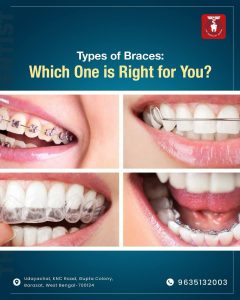
Braces are one of the most effective orthodontic systems for correcting alignment problems.
Components of Braces
Traditional braces typically include:
- Brackets
- Archwires
- Bands (when needed)
- Elastic ties
- Rubber bands for bite correction
Each component plays a specific role in tooth movement.
Applying Continuous Force
Brackets are attached to the teeth and connected by an archwire.
The wire applies gentle pressure to targeted teeth.
As a result, the biological process of bone remodeling begins.
Gradual Adjustments
Throughout treatment, orthodontists periodically adjust the wires.
These adjustments help maintain the correct amount of force.
Consequently, teeth continue moving toward their desired positions.
Correcting Complex Problems
Braces are highly versatile.
Therefore, they can effectively treat:
- Severe crowding
- Rotated teeth
- Significant bite issues
- Complex alignment concerns
How Clear Aligners Work
Clear aligners have become increasingly popular due to their discreet appearance.
Custom-Made Trays
Aligners consist of a series of custom-designed plastic trays.
Each tray is slightly different from the previous one.
Controlled Tooth Movement
Patients wear each aligner for a specific period before progressing to the next set.
As a result, teeth gradually move step by step.
Consistent Wear Is Essential
Unlike braces, aligners are removable.
However, patients must wear them for the recommended number of hours each day.
Because of this, patient compliance plays a major role in treatment success.
Digital Treatment Planning
Modern aligner systems often use advanced digital technology.
This allows orthodontists to plan tooth movements with precision.
Braces vs Aligners: Understanding the Differences
Braces
Advantages
- Effective for complex cases
- Constant force application
- No risk of forgetting to wear them
Considerations
- More visible
- Additional cleaning requirements
Clear Aligners

Advantages
- Nearly invisible appearance
- Removable during meals
- Easier oral hygiene maintenance
Considerations
- Require consistent wear
- May not be suitable for every case
Both options rely on the same biological principles within the science behind tooth movement.
Treatment Options for Misaligned Teeth
Orthodontic treatment plans vary depending on individual needs.
Available options include:
Traditional Metal Braces
Reliable and effective for a wide range of cases.
Ceramic Braces
Less noticeable while providing similar functionality.
Self-Ligating Braces
Designed with specialized bracket systems.
Clear Aligners
Popular among adults and teenagers seeking a discreet solution.
Retainers
Used after active treatment to maintain results.
An orthodontic evaluation helps determine the most appropriate option.
Benefits of Professional Orthodontic Treatment
Professional treatment offers advantages beyond cosmetic improvement.
Improved Oral Hygiene
Straighter teeth are generally easier to clean.
Better Bite Function
Proper alignment supports efficient chewing.
Reduced Tooth Wear
Balanced bite forces help protect teeth from excessive wear.
Enhanced Appearance
A straight smile often improves confidence.
Long-Term Stability
Professional treatment promotes healthier tooth positioning.
Furthermore, orthodontic care supports overall oral health and function.
Prevention Tips
While not all orthodontic issues are preventable, certain measures can help reduce complications.
Important prevention strategies include:
- Attend regular dental checkups
- Schedule orthodontic evaluations when recommended
- Address dental concerns promptly
- Follow professional treatment plans
- Wear retainers as instructed
- Maintain excellent oral hygiene
Moreover, early professional monitoring can identify concerns before they become more severe.
Possible Complications if Orthodontic Problems Are Ignored
Untreated orthodontic issues may lead to several complications.
Potential risks include:
- Increased tooth wear
- Gum disease
- Tooth decay
- Difficulty cleaning teeth
- Bite dysfunction
- Jaw discomfort
- Speech challenges
- Reduced self-confidence
Consequently, delaying treatment may increase the likelihood of future dental problems.
When to Visit a Dentist or Orthodontist
You should schedule an evaluation if you notice:
- Crooked teeth
- Gaps between teeth
- Bite problems
- Difficulty chewing
- Teeth shifting over time
- Jaw discomfort
- Speech concerns
In addition, children should receive regular dental assessments to monitor oral development.
Myths vs Facts About Tooth Movement
Myth: Teeth are permanently fixed in place.
Fact:
Teeth can move naturally when controlled orthodontic forces are applied.
Myth: Braces simply push teeth through bone.
Fact:
Orthodontic treatment works through controlled bone remodeling.
Myth: Aligners move teeth faster than biology allows.
Fact:
Both braces and aligners depend on the body’s natural response to pressure.
Myth: Orthodontic treatment is only cosmetic.
Fact:
Treatment improves both function and oral health.
Myth: Adults cannot move their teeth with orthodontics.
Fact:
Orthodontic treatment can be successful at many ages.

Long-Term Oral Health Importance
Proper alignment contributes to lifelong oral health.
When teeth are correctly positioned, they function more efficiently and are easier to clean.
Moreover, balanced bite forces help reduce unnecessary stress on teeth and supporting structures.
The science behind tooth movement demonstrates that orthodontic treatment is much more than cosmetic enhancement. It is a carefully controlled biological process designed to improve function, comfort, and long-term dental wellness.
As a result, investing in orthodontic care can help protect your smile for years to come.
[dentist near me, dental care near me, dentist near me, dental care near me, dentist near me, dental care near me, dentist near me, dental care near me, dentist near me, dental care near me, dentist near me, dental care near me, dentist near me, dental care near me, dentist near me, dental care near me, dentist near me, dental care near me, orthodontics, braces, aligners, dental care, oral, oral health]