

The Hidden Warning Signs Your Mouth Gives Before Major Dental Problems
Introduction
Have you ever ignored a little bleeding while brushing or brushed off occasional bad breath as “normal”? Many people do. However, your mouth often gives small warning signs long before a serious dental problem develops.
Understanding the hidden warning signs of dental problems can help you protect your teeth, gums, and overall health. Small changes in your mouth may seem harmless at first. However, they can sometimes indicate cavities, gum disease, infections, or other conditions that need professional attention.
The good news is that many dental problems are easier, less painful, and more affordable to treat when they are diagnosed early. Therefore, recognizing these early signs and scheduling a dental examination at the right time can save you from extensive treatment later.
In this guide, we’ll explore the subtle signals your mouth may be giving, what they mean, why they shouldn’t be ignored, and how professional dental care can help you maintain a healthy smile for years to come.
What Are the Hidden Warning Signs of Dental Problems?
The hidden warning signs of dental problems are subtle symptoms that appear before a dental disease becomes severe. They may not always cause pain. In fact, many serious oral conditions begin silently.
Your mouth constantly communicates with you. Therefore, paying attention to small changes can help detect dental problems before they become emergencies.
Many patients wait until they experience severe pain. Unfortunately, by then, the condition often requires more extensive treatment.
Common Symptoms You Should Never Ignore
1. Bleeding Gums
Healthy gums should not bleed during brushing or flossing.
Occasional bleeding may seem harmless. However, frequent bleeding often indicates early gum disease.
If left untreated, gum disease may progress and eventually affect the bone supporting your teeth.
2. Persistent Bad Breath
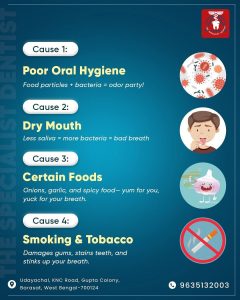
Everyone experiences bad breath occasionally.
However, bad breath that continues despite good oral hygiene may signal:
- Gum disease
- Tooth decay
- Oral infections
- Dry mouth
- Plaque buildup
Professional dental evaluation is essential to identify the underlying cause.
3. Tooth Sensitivity
Do hot coffee, cold drinks, or sweets suddenly make your teeth hurt?
Sensitivity may indicate:
- Worn enamel
- Tooth decay
- Gum recession
- Cracked teeth
- Exposed tooth roots
Although sensitivity may seem minor, it should never be ignored.
4. White or Brown Spots on Teeth
Early tooth decay often begins with small white spots.
As the condition progresses, these areas may become brown or black.
Early diagnosis can often prevent larger cavities from forming.
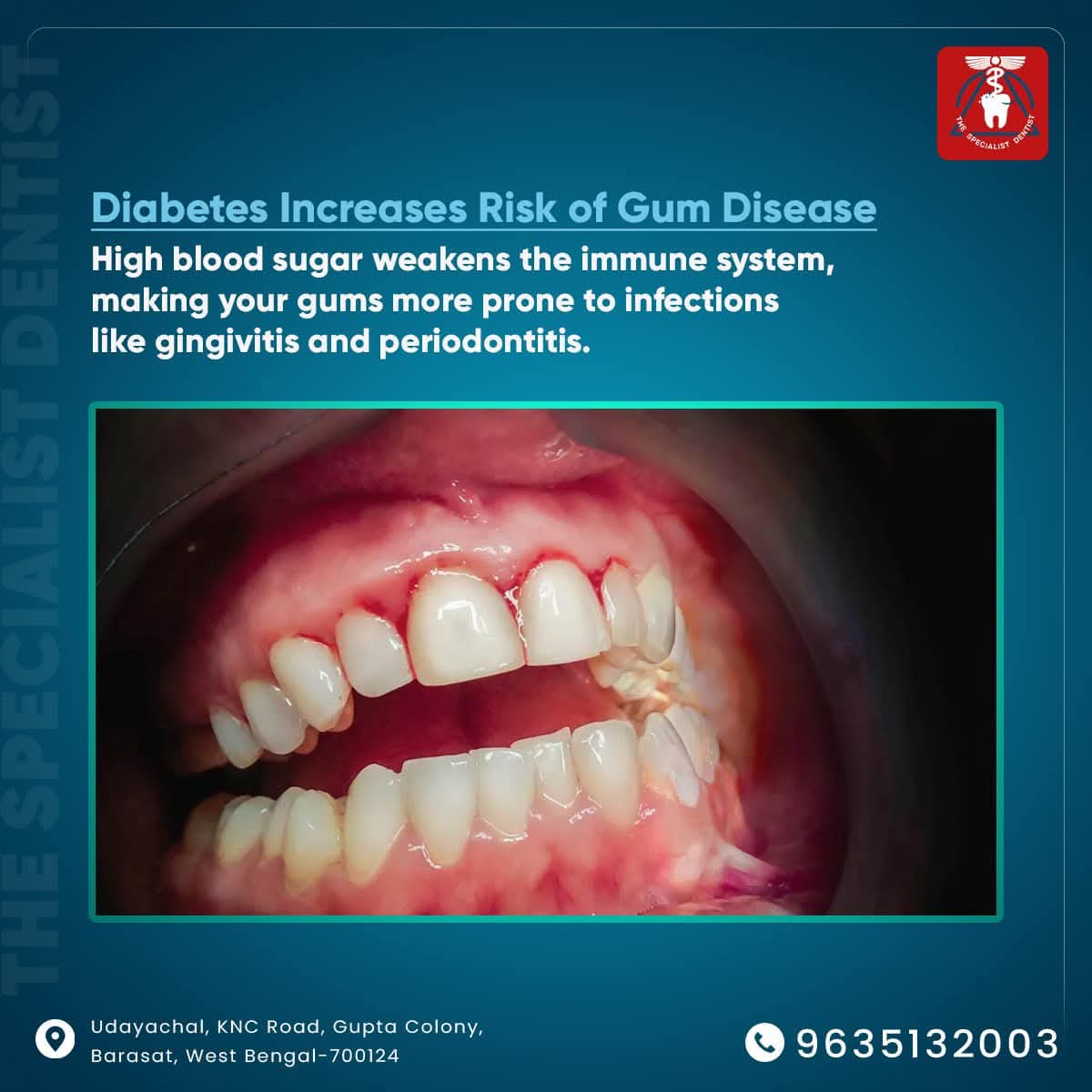
5. Gum Swelling or Redness
Healthy gums are usually firm and light pink.
If your gums appear swollen, tender, or bright red, they may be inflamed.
This is often one of the earliest signs of gum disease.
6. Loose Teeth
Adult teeth should never become loose.
Loose teeth may indicate:
- Advanced gum disease
- Bone loss
- Infection
- Trauma
Immediate dental care is necessary to prevent tooth loss.
7. Frequent Mouth Ulcers
Most mouth ulcers heal naturally.
However, ulcers lasting more than two weeks require professional evaluation.
Persistent sores may sometimes indicate underlying oral conditions that need treatment.
8. Dry Mouth
Saliva protects your teeth by washing away bacteria.
A constantly dry mouth increases the risk of:
- Tooth decay
- Gum disease
- Bad breath
- Oral infections
Your dentist can determine the underlying cause.
9. Pain While Chewing
Discomfort during eating is never normal.
Possible reasons include:
- Cracked teeth
- Cavities
- Gum infections
- Bite problems
- Jaw disorders
Ignoring chewing pain often allows the problem to worsen.
10. Changes in Bite
If your teeth suddenly feel different when biting or chewing, do not ignore it.
Changes in your bite may suggest:
- Tooth movement
- Gum disease
- Missing teeth
- Jaw problems
Early assessment helps prevent further complications.
Main Causes Behind These Warning Signs
Several factors contribute to early dental problems.
Poor Oral Hygiene
Plaque accumulates every day.
Without proper brushing and professional cleaning, plaque hardens into tartar, increasing the risk of cavities and gum disease.
Tooth Decay
Bacteria feed on sugars and produce acids.
Over time, these acids damage enamel and create cavities.
Gum Disease
Gum disease develops slowly.
Initially, it causes mild inflammation. However, untreated gum disease can eventually damage the supporting bone around the teeth.
Teeth Grinding (Bruxism)
Many people grind their teeth during sleep without realizing it.
This habit may cause:
- Tooth wear
- Cracks
- Jaw pain
- Tooth sensitivity
Dry Mouth
Reduced saliva makes it easier for bacteria to multiply.
As a result, tooth decay develops more quickly.
Smoking and Tobacco Use
Smoking reduces blood flow to the gums.
Furthermore, it increases the risk of gum disease, tooth loss, and oral cancer.
Poorly Fitting Dental Restorations
Old fillings or crowns may wear down over time.
Small gaps allow bacteria to enter, leading to decay beneath restorations.
Risk Factors
Certain people are more likely to develop dental problems.
Risk factors include:
- Poor oral hygiene
- High sugar intake
- Smoking
- Diabetes
- Dry mouth
- Aging
- Stress
- Teeth grinding
- Family history of gum disease
- Irregular dental checkups
Having one or more risk factors does not guarantee disease. However, regular dental visits become even more important.
Why Early Diagnosis Matters
Early diagnosis is one of the best ways to protect your oral health.
When dental problems are detected early:
- Treatment is usually simpler.
- Procedures are often less invasive.
- Recovery may be quicker.
- Costs are generally lower.
- Natural teeth are more likely to be preserved.
Moreover, early intervention prevents small issues from becoming major dental emergencies.
Professional Treatment Options
Treatment depends on the underlying cause.
Professional Dental Examination
A complete oral examination helps identify problems before symptoms worsen.
Your dentist may also recommend digital X-rays when necessary.
Professional Dental Cleaning
Professional cleaning removes plaque and tartar that cannot be removed through brushing alone.
Regular cleanings help maintain healthy gums.
Fillings
If cavities are detected early, tooth-colored fillings can restore damaged teeth.
Root Canal Treatment
When decay reaches the inner nerve, root canal treatment removes infection while preserving the natural tooth.
Gum Disease Treatment
Depending on severity, treatment may include:
- Professional scaling
- Root planing
- Periodontal maintenance
- Advanced gum therapy
Dental Crowns
Crowns strengthen weak or heavily damaged teeth after treatment.
Tooth Replacement
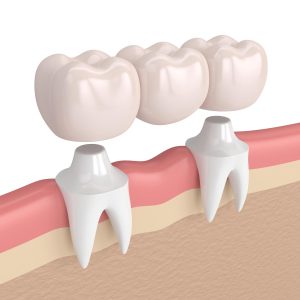
If a tooth cannot be saved, replacement options may include:
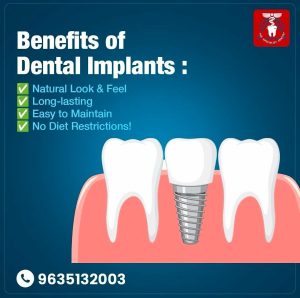
- Dental implants
- Dental bridges
- Dentures
Your dentist will recommend the most suitable option.
Benefits of Professional Dental Treatment
Professional care offers several advantages.
These include:
- Accurate diagnosis
- Early disease detection
- Pain relief
- Better chewing function
- Healthier gums
- Improved appearance
- Long-term tooth preservation
- Lower risk of future complications
Additionally, regular professional care supports overall health and well-being.
Prevention Tips
Although not every dental problem can be prevented, healthy habits greatly reduce the risk.
Maintain good oral hygiene
- Brush twice daily using fluoride toothpaste.
- Floss every day.
- Clean your tongue regularly.
Visit your dentist regularly
Routine dental examinations help identify problems before they become serious.
Eat a balanced diet
Limit sugary foods and beverages.
Choose nutrient-rich foods that support healthy teeth and gums.
Avoid tobacco products
Quitting smoking significantly improves oral health.
Wear protective mouthguards
If you play contact sports or grind your teeth, your dentist may recommend a custom mouthguard.
Replace damaged dental restorations
Old fillings and crowns should be checked during regular dental visits.
Possible Complications If Ignored
Ignoring early warning signs may eventually lead to serious dental conditions.
Possible complications include:
- Severe tooth decay
- Tooth infection
- Dental abscess
- Tooth loss
- Advanced gum disease
- Bone loss
- Difficulty chewing
- Chronic pain
- Costlier dental treatment
- Reduced quality of life
Therefore, delaying treatment often makes recovery more complicated.
When Should You Visit a Dentist?
Schedule a dental appointment if you notice:
- Bleeding gums
- Persistent bad breath
- Tooth sensitivity
- Swollen gums
- Loose teeth
- Pain while chewing
- Tooth discoloration
- Mouth sores lasting more than two weeks
- Toothache
- Changes in your bite
Even without symptoms, regular dental checkups every six months help maintain good oral health.
Myths vs Facts
| Myth | Fact |
|---|---|
| If my tooth doesn’t hurt, it’s healthy. | Many dental problems develop without pain. |
| Bleeding gums are normal. | Healthy gums should not bleed regularly. |
| Bad breath is only caused by food. | It may indicate gum disease or infection. |
| Dental visits are only needed when there’s pain. | Preventive checkups help avoid major treatment. |
| Losing teeth is a normal part of aging. | Healthy teeth can last a lifetime with proper care. |
Why Long-Term Oral Health Matters
Your mouth is closely connected to your overall health.
Healthy teeth and gums help you:
- Eat comfortably
- Speak clearly
- Smile confidently
- Maintain proper nutrition
- Improve overall quality of life
Furthermore, untreated oral infections may affect general health over time. Therefore, maintaining good oral hygiene and attending regular dental checkups are essential for lifelong wellness.
Conclusion
Your mouth often gives subtle clues before serious dental conditions develop. Recognizing the hidden warning signs of dental problems—such as bleeding gums, persistent bad breath, tooth sensitivity, loose teeth, or changes in your bite—can make a significant difference in protecting your oral health.
Instead of waiting for severe pain, pay attention to these early warning signs and seek professional dental care promptly. Early diagnosis, timely treatment, and regular dental checkups can help preserve your natural teeth, prevent costly procedures, and keep your smile healthy for years to come. Overall, investing in preventive dental care today is one of the best decisions you can make for your long-term oral and overall health.

Book Your Dental Checkup Today
Your smile deserves expert care before small concerns become major dental problems.
If you’ve noticed any of the warning signs discussed in this article—or if it’s been a while since your last dental visit—don’t wait. Schedule a comprehensive dental checkup with our experienced team today. We provide personalized examinations, advanced diagnostics, preventive care, and tailored treatment plans to help you maintain a healthy, confident smile.
Book your appointment today and take the first step toward better oral health. Your future smile will thank you.