Introduction
Loose teeth can be a worrying dental issue for adults. Unlike in children, where it’s natural, adult teeth becoming mobile often indicate gum disease, injury, or bone loss. Thankfully, modern dentistry offers effective solutions to save loose teeth—and one of the most trusted methods is splinting treatment.
At The Specialist Dentist, Udayachal, Barasat, we help patients regain confidence in their smiles through advanced dental care, including professional splinting techniques. In this blog, we’ll explain what splinting is, how the procedure works, its benefits, and essential aftercare tips.
What Is Splinting Treatment for Loose Teeth?
Dental splinting is a procedure where weak or mobile teeth are joined together using a dental material to make them stable. By bonding teeth into a single unit, splinting reduces mobility, prevents further damage, and allows healing of the supporting gums and bone.
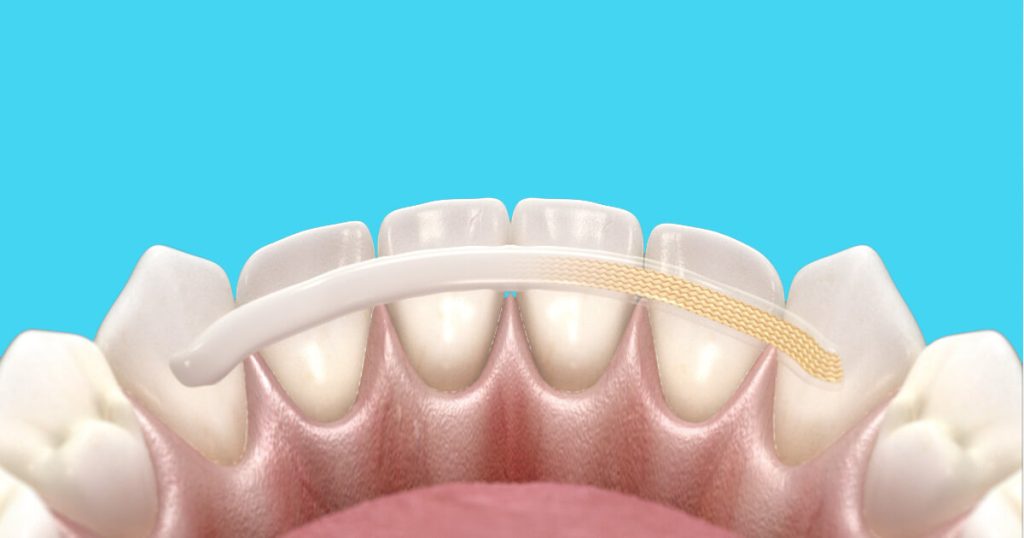
Common causes of loose teeth include:
- Periodontal (gum) disease
- Trauma or injury
- Bone loss due to infection
- Bruxism (teeth grinding)
- Aging and weakened oral structures
Splinting does not “cure” the root cause but provides stability while treating the underlying condition.
Types of Splinting Treatments
At The Specialist Dentist, we assess each case carefully before recommending the best type of splinting.
1. Temporary Splinting
- Done using composite resins and wires.
- Provides short-term stability.
- Often used during gum disease treatment.
2. Permanent Splinting
- Uses crowns or bridges to hold teeth together long-term.
- Recommended when mobility is significant.
3. Occlusal Splints (Night Guards)
- Custom-fitted appliances for patients with teeth grinding (bruxism).
- Protects teeth and prevents further loosening.
The Splinting Procedure: Step by Step
Here’s what to expect if you undergo dental splinting:
- Initial Consultation
- Complete dental check-up.
- X-rays to evaluate bone and gum condition.
- Cleaning & Preparation
- Professional cleaning to remove plaque and tartar.
- Local anesthesia (if needed) for comfort.
- Splint Placement
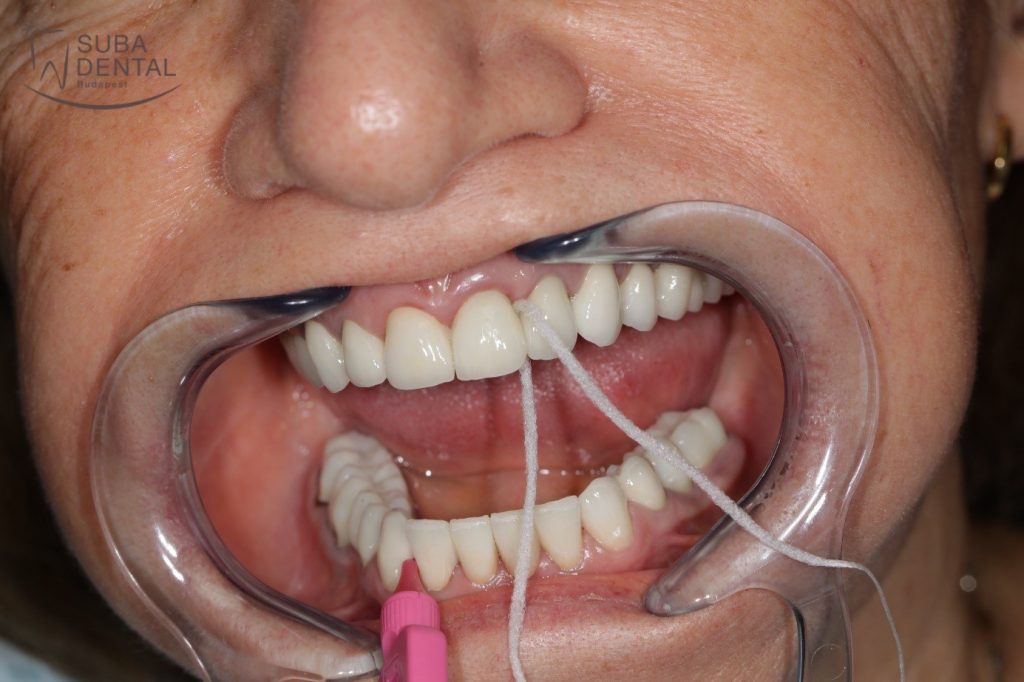
- Teeth are bonded together with composite resin, wire, or fiber splints.
- The splint is polished for comfort and function.
- Final Adjustment
- Bite is checked to ensure proper alignment.
- Instructions are given for aftercare.
The entire procedure is minimally invasive, painless, and usually completed in a single sitting.
Benefits of Splinting Treatment
Splinting offers multiple advantages for patients dealing with loose teeth:
- ✅ Improves stability – Teeth become firmer and more functional.
- ✅ Preserves natural teeth – Avoids premature extraction.
- ✅ Supports gum healing – Helps periodontal tissues recover.
- ✅ Enhances chewing ability – Restores normal bite and comfort.
- ✅ Improves aesthetics – Keeps your smile intact.
- ✅ Boosts confidence – Reduces discomfort and self-consciousness.

Aftercare Tips for Splinted Teeth
To maintain the success of splinting, proper oral care is essential. Here are some tips:
Oral Hygiene
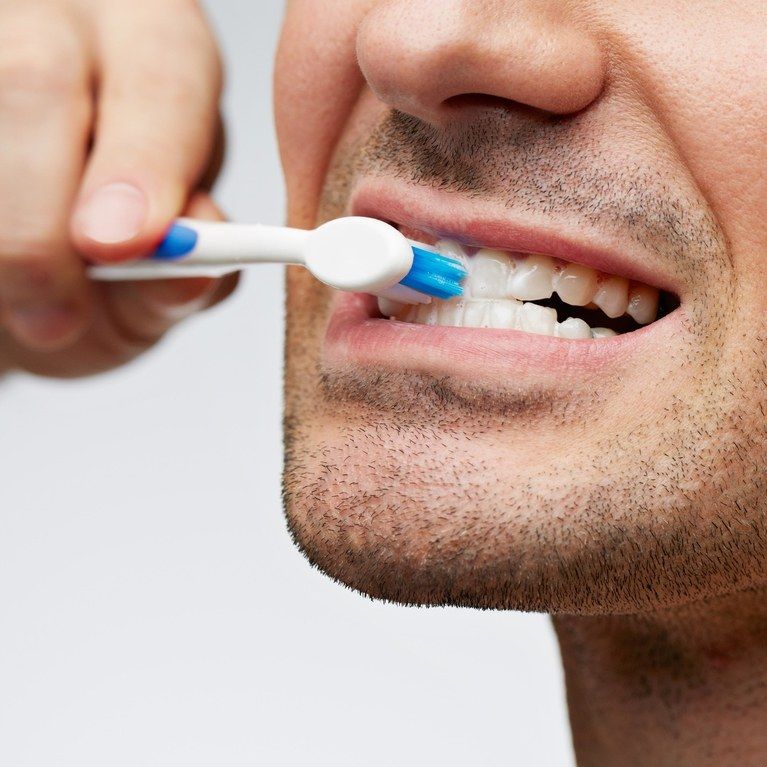
- Brush twice daily with a soft-bristle toothbrush.
- Use interdental brushes or water flossers to clean around splinted teeth.
- Rinse with an antiseptic mouthwash.
Diet & Habits
- Avoid biting hard foods (nuts, ice, bones).
- Cut fruits and vegetables into smaller pieces.
- Avoid using teeth as tools (e.g., opening packets).
Regular Dental Visits
- Schedule follow-up check-ups every 3–6 months.
- Get professional scaling and polishing as recommended.
Additional Care
- If you grind your teeth, wear a night guard.
- Inform your dentist if you notice increased mobility or discomfort.
How Long Does Splinting Last?
- Temporary splints last a few weeks to months.
- Semi-permanent splints may last up to 2–3 years.
- Permanent splints with crowns or bridges can last 5–10 years with proper care.
Durability depends on oral hygiene, gum health, and lifestyle habits.
Risks & Limitations of Splinting
While splinting is safe, patients should be aware of limitations:
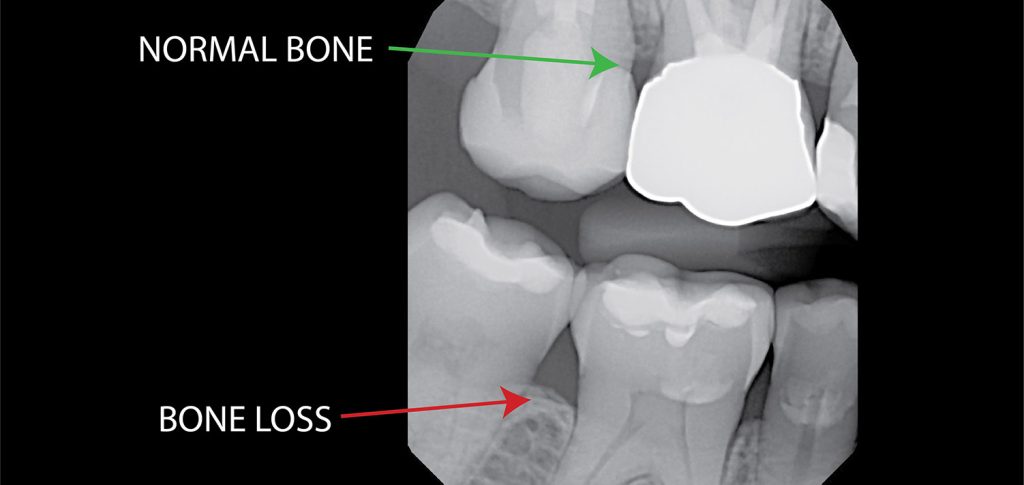
- Not suitable for teeth with severe bone loss.
- If gum disease isn’t controlled, teeth may loosen again.
- Splints may require repair or replacement over time.
In some cases, dental implants or bridges may be better alternatives if teeth cannot be saved.
Who Can Benefit from Splinting?
Splinting is ideal for:
- Patients with early to moderate gum disease.
- Those with trauma-related loose teeth.
- People with multiple mobile front teeth.
- Patients undergoing orthodontic treatment who need additional support.
If mobility is too severe or supporting bone is lost, extraction followed by dental implants or bridges may be more suitable.
Why Choose The Specialist Dentist in Barasat?
At The Specialist Dentist, we combine expertise, advanced technology, and patient-friendly care to deliver the best dental solutions. Our clinic is trusted for comprehensive gum disease treatment, tooth splinting, cosmetic dentistry, and preventive care.
📍 Location: Udayachal, KNC Road, Gupta Colony, Barasat – 700124
📞 Phone: 9635132003
🌐 Website: www.thespecialistdentist.in