

Introduction
Losing a tooth can affect much more than your appearance. It can impact chewing, speech, bite alignment, and even long-term oral health. Fortunately, modern dentistry offers several effective solutions to replace a missing tooth. However, many patients ask the same important question: Which option lasts longer—a single tooth implant, a bridge, or a partial denture?
When comparing a single tooth implant vs bridge vs partial denture, longevity is only one part of the decision. Comfort, maintenance requirements, appearance, cost, and long-term oral health benefits also play major roles.
Moreover, choosing the right treatment early can help prevent complications such as bone loss, shifting teeth, and bite problems. Understanding the strengths and limitations of each option can help you make a confident and informed decision.
This comprehensive guide explains how implants, bridges, and partial dentures work, compares their lifespan, and discusses which solution may be most suitable for different situations.
Understanding Tooth Replacement Options
Modern restorative dentistry offers several ways to replace missing teeth.
The three most common options include:
- Single tooth implants
- Dental bridges
- Partial dentures
Each treatment restores appearance and function. However, they differ significantly in durability, maintenance, cost, and impact on oral health.
Therefore, understanding these differences is essential before making a decision.
Why Replacing a Missing Tooth Matters
Many people assume that losing a single tooth is not a serious problem.
However, even one missing tooth can create several oral health challenges.
For example:
- Nearby teeth may shift
- Bite alignment can change
- Chewing efficiency may decrease
- Jawbone loss may occur
- Speech may be affected
Consequently, replacing a missing tooth is important for both function and long-term oral health.

Common Symptoms of a Missing Tooth
Patients with missing teeth may experience:
- Difficulty chewing certain foods
- Food getting trapped in gaps
- Speech changes
- Shifting of nearby teeth
- Uneven bite pressure
- Reduced confidence while smiling
- Jaw discomfort in some cases
Moreover, some patients notice gradual facial changes if tooth loss remains untreated for a long period.
Main Causes of Tooth Loss
Several dental conditions can lead to tooth loss.
Severe Tooth Decay
Untreated cavities can destroy tooth structure beyond repair.
Gum Disease
Advanced periodontal disease damages the tissues supporting teeth.
Dental Trauma
Sports injuries, falls, and accidents may result in tooth loss.
Failed Dental Treatment
Occasionally, teeth may be lost despite previous treatment efforts.
Cracked Teeth
Severe fractures sometimes require extraction.
Furthermore, a combination of these factors may increase the risk of tooth loss.
Risk Factors for Tooth Loss
Some individuals are more likely to lose teeth than others.
Common risk factors include:
- Poor oral hygiene
- Smoking
- Diabetes
- Gum disease
- Frequent sugar consumption
- Dental trauma
- Lack of routine dental care
- Teeth grinding
Because of these risks, preventive dental care remains essential throughout life.
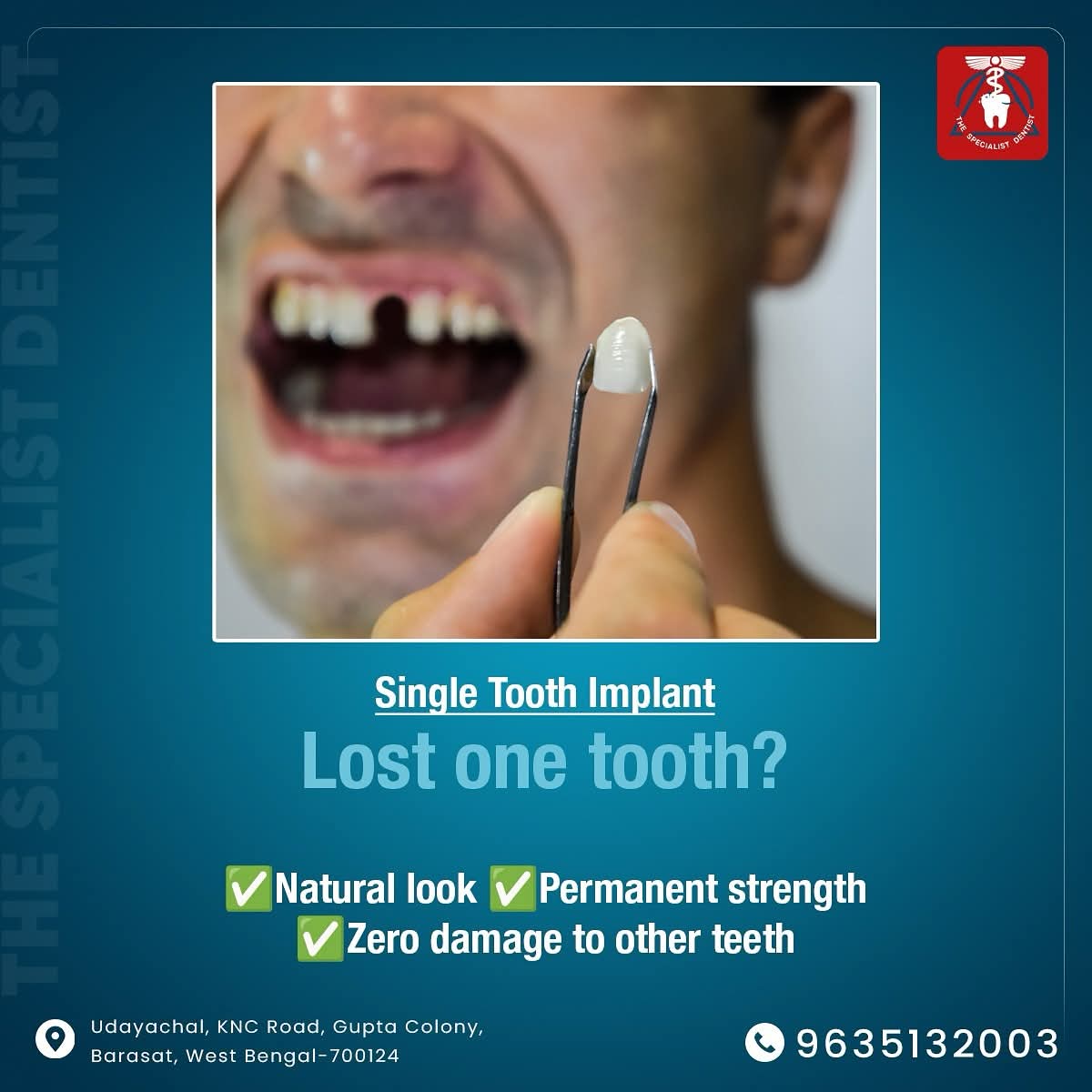
Why Early Diagnosis Matters
The longer a missing tooth remains untreated, the greater the likelihood of complications.
Bone loss often begins soon after tooth extraction.
Meanwhile, neighboring teeth may gradually drift into the empty space.
As a result, future treatment may become more complex.
Therefore, early evaluation allows dentists to recommend appropriate replacement options before additional problems develop.
What Is a Single Tooth Implant?
A dental implant is an artificial tooth root placed into the jawbone.
After healing, a custom-made crown is attached to the implant.
The implant consists of:
- Implant fixture
- Abutment
- Dental crown
Unlike other options, implants replace both the visible tooth and the root.
Consequently, they provide excellent stability and support.
Average Lifespan of a Dental Implant
With proper care and regular maintenance:
- Implant posts may last decades
- Many implants remain successful for 20 years or longer
- Some patients keep their implants for a lifetime
However, success depends on oral hygiene, overall health, and regular dental visits.
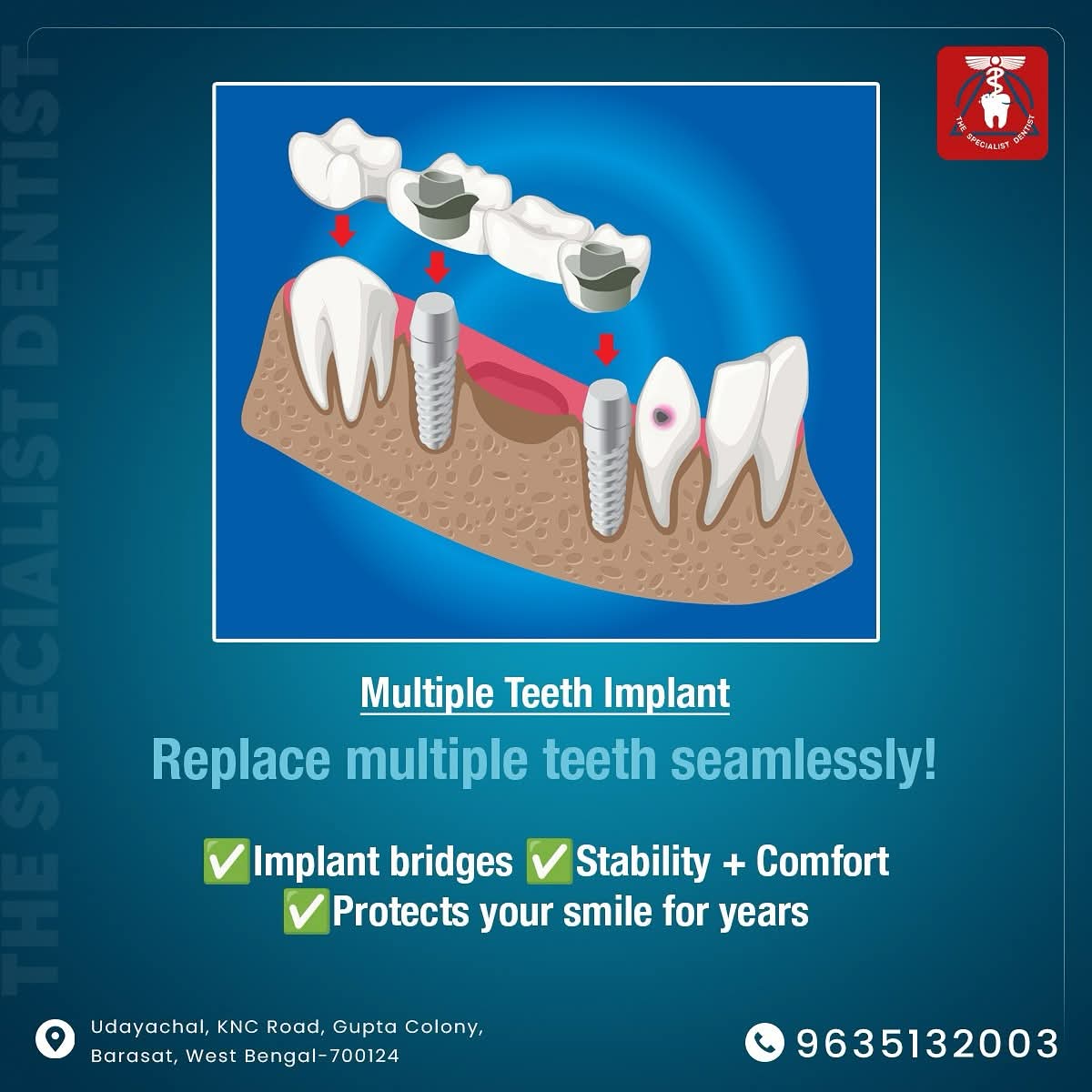
What Is a Dental Bridge?
A dental bridge replaces a missing tooth by using neighboring teeth as support.
The supporting teeth are prepared and fitted with crowns.
A replacement tooth, called a pontic, fills the gap between them.
Average Lifespan of a Dental Bridge
Most bridges last:
- Approximately 10–15 years
- Sometimes longer with excellent care
However, supporting teeth remain vulnerable to decay and gum disease.
As a result, bridge longevity often depends on the health of adjacent teeth.
What Is a Partial Denture?
A partial denture is a removable appliance designed to replace one or more missing teeth.
It typically consists of replacement teeth attached to a supportive framework.
Average Lifespan of a Partial Denture
Most partial dentures last:
- Around 5–10 years
- Sometimes longer with adjustments and maintenance
However, changes in the mouth over time often require modifications or replacement.
Single Tooth Implant vs Bridge vs Partial Denture: Which Option Lasts Longer?
Single Tooth Implant vs Bridge vs Partial Denture Lifespan Comparison
When longevity is the primary concern, dental implants generally outperform both bridges and partial dentures.
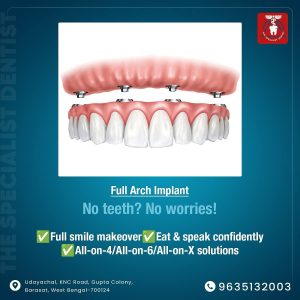
Dental Implant
Typical lifespan:
- 20+ years
- Often lifelong with proper care
Dental Bridge
Typical lifespan:
- 10–15 years
Partial Denture
Typical lifespan:
- 5–10 years
Therefore, implants are usually considered the most durable long-term solution.
Bone Preservation
Dental Implant
Implants stimulate the jawbone similarly to natural tooth roots.
Consequently, they help reduce bone loss.
Bridge
Bridges do not stimulate the underlying bone.
As a result, gradual bone resorption may occur.
Partial Denture
Partial dentures also do not prevent bone loss beneath the missing tooth area.
Effect on Adjacent Teeth
Implant
An implant stands independently.
Therefore, neighboring teeth remain untouched.
Bridge
A bridge requires modification of healthy adjacent teeth.
Partial Denture
Partial dentures may place stress on supporting teeth over time.
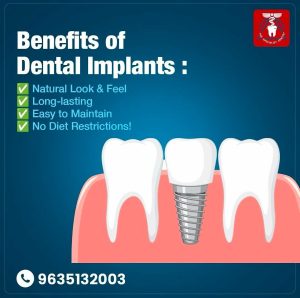
Stability and Comfort
Implant
Provides the closest experience to a natural tooth.
Bridge
Generally stable but relies on neighboring teeth.
Partial Denture
May feel less secure and can occasionally move during eating or speaking.
Maintenance Requirements
Implant
Requires routine brushing, flossing, and professional care.
Bridge
Requires specialized cleaning around the bridge structure.
Partial Denture
Must be removed and cleaned regularly.
Therefore, maintenance needs vary considerably between options.
Treatment Options and Suitability
Every patient has unique needs.
Dental Implant May Be Ideal For:
- Patients seeking a long-term solution
- Individuals with adequate jawbone support
- Patients wanting maximum stability
Dental Bridge May Be Suitable For:
- Patients who cannot receive implants
- Situations where adjacent teeth already require crowns
Partial Denture May Be Appropriate For:
- Patients seeking a removable option
- Individuals replacing multiple teeth
- Cases where other treatments are not suitable
A comprehensive examination helps determine the most appropriate choice.
Benefits of Professional Dental Treatment
Professional treatment offers several important advantages.
Accurate Diagnosis
Dentists evaluate oral health, bone levels, and bite function.
Personalized Treatment Planning
Recommendations are tailored to individual needs.
Improved Function
Proper tooth replacement restores chewing efficiency.
Better Aesthetics
Modern restorations closely resemble natural teeth.
Long-Term Oral Health Support
Professional care helps reduce future complications.
Furthermore, regular follow-up visits contribute to treatment longevity.

Prevention Tips for Long-Term Success
Regardless of the chosen treatment, maintenance is essential.
Important prevention tips include:
- Brush twice daily
- Floss regularly
- Attend routine dental checkups
- Avoid tobacco products
- Manage gum disease promptly
- Wear protective mouthguards when necessary
- Follow professional care instructions
In addition, regular professional cleanings help maintain both natural teeth and restorations.
Possible Complications if a Missing Tooth Is Ignored
Failure to replace a missing tooth can lead to:
- Bone loss
- Tooth shifting
- Bite changes
- Difficulty chewing
- Increased tooth wear
- Gum problems
- Facial structure changes
- Additional tooth loss
Consequently, delaying treatment may increase future treatment complexity.
When to Visit a Dentist
Schedule a dental consultation if you:
- Have recently lost a tooth
- Are considering replacement options
- Notice teeth shifting
- Experience chewing difficulties
- Have concerns about oral function
- Want to prevent bone loss
Moreover, early treatment often provides more options and better outcomes.
Myths vs Facts
Myth: Partial dentures last as long as implants.
Fact:
Implants generally have a significantly longer lifespan.
Myth: A bridge replaces the tooth root.
Fact:
Bridges replace only the visible portion of the missing tooth.
Myth: Implants are purely cosmetic.
Fact:
Implants support function, jawbone health, and long-term stability.
Myth: Replacing one missing tooth is unnecessary.
Fact:
Even a single missing tooth can affect oral health over time.
Myth: Dentures always look unnatural.
Fact:
Modern partial dentures can provide highly aesthetic results.
Long-Term Oral Health Importance
Replacing a missing tooth is about more than appearance.
A healthy smile depends on proper alignment, chewing function, bone support, and balanced bite forces.
Among available options, implants often provide the greatest long-term benefits because they replace the tooth root and help preserve bone.
However, bridges and partial dentures can also be effective solutions when selected appropriately.
Therefore, treatment decisions should always be based on a comprehensive professional evaluation.
[dentist near me, dental clinic near me, dentist near me, dental clinic near me, dentist near me, dental clinic near me, dentist near me, dental clinic near me, dentist near me, dental clinic near me, dentist near me, dental clinic near me, dentist near me, dental clinic near me, dentist near me, dental clinic near me, teeth replacement, missing teeth, oral care, oral health, tooth]