

A beautiful, straight smile after braces is something everyone looks forward to. However, many patients notice that their teeth start shifting back over time. This condition is known as orthodontic relapse, and it is more common than you might think.
Although braces successfully align your teeth, maintaining that alignment requires ongoing care. Therefore, understanding why relapse happens and how to prevent it is essential for long-term results.
In this blog, we will explain everything clearly and simply, so you can protect your smile for years to come.
What is Relapse After Braces?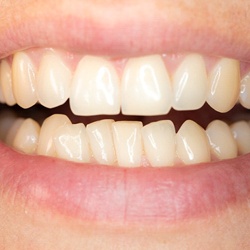
Relapse refers to the movement of teeth back toward their original position after orthodontic treatment. In other words, even after months or years of wearing braces, teeth may slowly shift if proper precautions are not taken.
This can happen within months or even years after treatment. As a result, many patients feel disappointed. However, the good news is that relapse is preventable with the right approach.
Why Does Relapse Happen?
There are several reasons why teeth shift after braces. Let’s explore the most common causes.
1. Not Wearing Retainers Properly
This is the most common reason for relapse. After braces are removed, retainers help keep your teeth in their new position.
However, if you:
Stop wearing your retainer
Wear it inconsistently
Lose or damage it
Then your teeth can gradually move back.
2. Natural Teeth Movement
Even without braces, teeth tend to shift over time. This is a natural process influenced by:
Aging
Daily chewing forces
Jaw changes
Therefore, retention is important for everyone, not just orthodontic patients.
3. Gum and Bone Memory
Your teeth are supported by gums and bone. During orthodontic treatment, these structures adjust slowly.
However, they have a “memory” of their original position. As a result, they may try to pull teeth back after braces are removed.
4. Wisdom Teeth Pressure
In some cases, emerging wisdom teeth can create pressure on existing teeth. Consequently, this may lead to crowding or shifting.
Although this is not always the main cause, it can contribute to relapse in certain patients.
5. Poor Oral Habits
Certain habits can affect teeth alignment over time, such as:
Nail biting
Tongue thrusting
Teeth grinding (bruxism)
These habits apply continuous pressure, which can gradually move teeth.
Signs of Orthodontic Relaps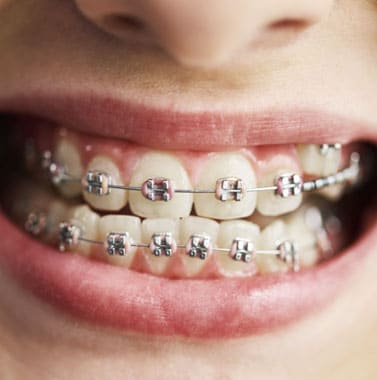
It is important to identify early signs before the condition worsens. Watch out for:
Slight shifting or crowding
Gaps reappearing between teeth
Changes in bite alignment
Difficulty wearing old retainers
If you notice any of these signs, it is best to consult a dentist immediately.
How to Prevent Relapse After Braces
Fortunately, preventing relapse is simple if you follow the right steps consistently.
1. Wear Your Retainer as Advised
This is the most important step. Your dentist will guide you on how often to wear it.
Typically:
Full-time wear is recommended initially
Later, night-time wear is enough
However, consistency is key. Even skipping a few days can cause minor shifting.
2. Maintain Good Oral Hygiene
Healthy gums and teeth provide better support. Therefore, make sure to:
Brush twice daily
Floss regularly
Use a mouthwash if recommended
Good oral hygiene also prevents gum disease, which can worsen relapse.
3. Attend Regular Dental Checkups
Routine visits allow your dentist to monitor your teeth alignment. As a result, any early changes can be corrected quickly.
4. Replace Retainers When Needed
Retainers can wear out over time. If they become loose, cracked, or uncomfortable, they may not work effectively.
Therefore, always replace them when necessary.
5. Avoid Harmful Habits
Breaking habits like nail biting or teeth grinding is crucial. In some cases, your dentist may recommend:
A mouthguard for grinding
Behavioral guidance for habit correction
6. Consider Permanent Retainers
For some patients, fixed (permanent) retainers are a great option. These are bonded behind the teeth and provide continuous support.
As a result, they reduce the risk of relapse significantly.
What to Do If Relapse Has Already Started?
If your teeth have already shifted, do not worry. There are effective solutions available.
Possible Treatment Options:
Retainer adjustment or replacement
Clear aligners (like Invisalign)
Minor orthodontic correction
Re-treatment with braces (in severe cases)
The sooner you act, the easier and faster the correction will be.
Long-Term Care Tips for a Stable Smile
To ensure your smile stays perfect, follow these long-term tips:
Always keep your retainer safe and clean
Never skip follow-up appointments
Stay aware of small changes in alignment
Maintain a healthy lifestyle for strong teeth and gums
Because prevention is always better than correction.
Why Choose The Specialist Dentist?
At The Specialist Dentist, we understand how important your smile is. Therefore, we provide complete orthodontic care—from braces treatment to long-term retention and follow-up.
Our team ensures that your results last, not just for months, but for years.
📍 Location: Udayachal, KNC Road, Gupta Colony, Barasat – 700124
📞 Call: 9635132003
🌐 Website: www.thespecialistdentist.in�
Relapse after braces can be frustrating. However, it is not unavoidable. With proper care, regular retainer use, and professional guidance, you can maintain your perfect smile for life.
So, stay consistent, stay informed, and take action early if you notice any changes.
Book Your Appointment Today
If you are worried about teeth shifting or need expert advice, we are here to help.
👉 Contact The Specialist Dentist today and protect your smile investment.
Because your straight smile deserves to stay that way forever!