

Introduction
Losing a tooth can affect much more than your smile. Many people focus on the visible gap left behind, but few realize that tooth loss can also lead to gradual jawbone deterioration. In fact, one of the most significant consequences of a missing tooth is bone loss in the jaw.
This is where dental implants prevent bone loss more effectively than most other tooth replacement options. Unlike traditional restorations that replace only the visible part of a tooth, dental implants replace both the tooth root and the crown. As a result, they help maintain the natural stimulation that keeps the jawbone healthy and strong.
Moreover, preserving jawbone health is essential for maintaining facial structure, chewing ability, speech, and overall oral function. Understanding how dental implants work can help patients make informed decisions after tooth extraction.
In this comprehensive guide, we will explore why bone loss occurs, how dental implants help preserve bone, and why early treatment plays an important role in protecting long-term oral health.
What Is Bone Loss After Tooth Extraction?
Bone loss after tooth extraction refers to the gradual shrinking or weakening of the jawbone in the area where a tooth is missing.
A natural tooth root constantly stimulates the surrounding bone during chewing and biting. This stimulation signals the body to maintain bone density. However, when a tooth is removed and not replaced, the bone no longer receives this stimulation.
Consequently, the body begins to reabsorb the unused bone tissue. This process is known as bone resorption.
Although bone loss starts soon after tooth extraction, it often progresses silently over time. Therefore, many patients do not notice the changes until significant bone reduction has already occurred.
Common Symptoms of Jawbone Loss
Bone loss is often gradual. However, several signs may indicate that it is occurring.
Common symptoms include:
- Changes in facial appearance
- Sunken cheeks
- Wrinkling around the mouth
- Shifting of nearby teeth
- Difficulty chewing certain foods
- Changes in bite alignment
- Loose dentures
- Reduced jawbone height and width
- Speech changes in some cases
Moreover, some patients may notice that their face appears older than before due to loss of bone support.
Main Causes of Bone Loss Following Tooth Loss
Several factors contribute to jawbone deterioration after tooth extraction.
Loss of Tooth Root Stimulation
This is the most common cause. Without a tooth root, the jawbone receives less mechanical stimulation.
Delayed Tooth Replacement
The longer a missing tooth remains untreated, the greater the risk of bone loss.
Gum Disease
Periodontal disease can damage both soft tissues and supporting bone.
Dental Trauma
Injuries affecting teeth and surrounding structures can accelerate bone deterioration.
Infection
Untreated dental infections may destroy bone around affected teeth.
Furthermore, a combination of these factors can increase the speed and severity of bone loss.
Risk Factors for Bone Deterioration
Certain individuals may be more likely to experience significant bone loss.
Risk factors include:
- Multiple missing teeth
- Advanced gum disease
- Smoking or tobacco use
- Poor oral hygiene
- Uncontrolled diabetes
- Osteoporosis
- Delayed dental treatment
- Chronic inflammation
- Long-term denture use without proper support
Because of these risks, regular dental evaluations become even more important after tooth extraction.

What Are Dental Implants?
Dental implants are artificial tooth roots typically made from biocompatible titanium or other advanced materials.
They are surgically placed into the jawbone to support replacement teeth.
A complete implant restoration usually consists of:
- Implant post
- Abutment connector
- Dental crown
Once placed, the implant integrates with the surrounding bone through a natural process called osseointegration.
As a result, the implant functions similarly to a natural tooth root.
How Dental Implants Help Prevent Bone Loss
Dental Implants Prevent Bone Loss by Replacing the Missing Tooth Root
The unique advantage of dental implants is that they replace the entire tooth structure, including the root.
Unlike bridges or removable dentures, implants transfer chewing forces directly into the jawbone.
Consequently, the bone continues to receive stimulation similar to that provided by a natural tooth.
This ongoing stimulation helps maintain bone density and reduces the risk of resorption.
Preserving Natural Bone Volume
When bone remains active, the body is more likely to preserve its volume and strength.
Therefore, implant-supported teeth help maintain the height and width of the jawbone.
This preservation becomes particularly important in areas visible during smiling and speaking.
Supporting Facial Structure
The jawbone provides essential support for facial tissues.
As bone loss progresses, facial features may begin to collapse inward, creating an aged appearance.
However, dental implants help maintain the underlying bone structure.
As a result, patients often retain a more natural facial profile.
Preventing Adjacent Tooth Movement
Missing teeth can cause neighboring teeth to shift into empty spaces.
Meanwhile, implants fill the gap and provide stability within the dental arch.
This helps maintain proper alignment and bite function.
Improving Bite Function
A strong jawbone supports efficient chewing.
Because implants stimulate the bone and provide stable support, patients can often enjoy improved chewing performance compared with removable options.
Long-Term Bone Preservation
Research and clinical experience consistently show that implants are one of the most effective methods for preserving jawbone health after tooth loss.
Therefore, they are frequently considered the gold standard for tooth replacement in suitable candidates.
Why Early Diagnosis Matters
Early treatment can significantly reduce the extent of bone loss.
After tooth extraction, bone resorption begins relatively quickly. Therefore, delaying treatment may result in reduced bone volume.
In some cases, patients who wait too long may require additional procedures such as bone grafting before implant placement.
Moreover, early intervention often simplifies treatment planning and improves outcomes.
Regular dental examinations allow dentists to monitor healing and recommend the most appropriate timing for tooth replacement.
Treatment Options for Missing Teeth
Several treatment options are available for replacing missing teeth.
Dental Implants
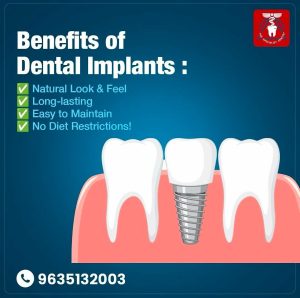
Advantages include:
- Bone preservation
- Long-term stability
- Natural appearance
- Improved chewing ability
- Enhanced comfort
Dental Bridges
Bridges replace missing teeth by attaching to neighboring teeth.
However, they do not stimulate the jawbone beneath the missing tooth area.
Removable Dentures
Dentures can restore appearance and function.
However, they generally do not prevent underlying bone loss.
Which Option Best Protects the Jawbone?
Among available options, dental implants prevent bone loss most effectively because they replace the missing root structure.
Benefits of Professional Dental Treatment
Seeking professional care provides numerous advantages.
Accurate Diagnosis
Dentists use clinical examinations and imaging to evaluate bone health.
Personalized Treatment Planning
Each patient has unique needs and oral health conditions.
Advanced Technology
Modern implant dentistry utilizes digital imaging and precise planning techniques.
Improved Success Rates
Professional treatment helps ensure optimal implant placement and long-term function.
Comprehensive Oral Health Care
Dentists can identify additional concerns that may affect treatment outcomes.
Furthermore, ongoing follow-up appointments help maintain implant health over time.
Prevention Tips for Maintaining Jawbone Health
Although tooth loss may not always be avoidable, several steps can help preserve oral health.
Important prevention strategies include:
- Maintain excellent oral hygiene
- Brush and floss regularly
- Attend routine dental checkups
- Treat gum disease promptly
- Replace missing teeth as soon as appropriate
- Avoid tobacco products
- Follow professional dental advice
- Manage systemic health conditions
In addition, preventive dental care reduces the likelihood of future tooth loss.
Possible Complications if Bone Loss Is Ignored
Ignoring bone loss can lead to significant oral health challenges.
Potential complications include:
- Progressive jawbone shrinkage
- Facial collapse and premature aging
- Difficulty chewing
- Speech problems
- Bite changes
- Tooth shifting
- Increased risk of additional tooth loss
- Reduced eligibility for future implant treatment
Consequently, delaying treatment may result in more complex and costly procedures later.
When to Visit a Dentist
You should schedule a dental consultation if you:
- Recently had a tooth extracted
- Have one or more missing teeth
- Notice changes in your bite
- Experience difficulty chewing
- Wear loose dentures
- Observe facial changes
- Have concerns about jawbone health
Moreover, even if no symptoms are present, professional evaluation can help detect early bone changes before major problems develop.
Myths vs Facts About Dental Implants
Myth: Dental implants are only cosmetic.
Fact:
Dental implants restore function and help preserve jawbone health.
Myth: Bone loss stops on its own.
Fact:
Bone resorption often continues unless appropriate treatment is provided.
Myth: Dentures prevent bone loss.
Fact:
Traditional dentures replace missing teeth but generally do not stimulate the jawbone.
Myth: Dental implants look unnatural.
Fact:
Modern implant restorations are designed to closely resemble natural teeth.
Myth: It is okay to wait years before replacing a missing tooth.
Fact:
Delaying treatment can increase bone loss and may complicate future implant placement.

Long-Term Oral Health Importance
Maintaining jawbone health is essential for overall oral wellness.
Healthy bone supports teeth, facial structures, and proper oral function. Furthermore, preserving bone can help maintain confidence, comfort, and quality of life.
Dental implants offer benefits that extend far beyond replacing a missing tooth. They support chewing efficiency, maintain facial appearance, and contribute to long-term stability within the mouth.
Additionally, preserving bone today may help prevent more complex dental treatments in the future.
Therefore, choosing a treatment option that protects the jawbone is an important investment in lifelong oral health.
[dentist near me, dental clinic near me, dentist near me, dental clinic near me, dentist near me, dental clinic near me, dentist near me, dental clinic near me, dentist near me, dental clinic near me, dentist near me, dental clinic near me, dentist near me, dental clinic near me, oral health, implant, orthodontics, oral care, dentistry]