

Introduction
Losing an eye because of trauma, infection, or disease feels devastating. It not only affects your vision but also impacts your self-esteem and daily life. Fortunately, medical science offers a life-changing solution—eye prosthesis, also called an artificial eye.
At The Specialist Dentist, we provide advanced eye prosthesis treatments that not only improve appearance but also help patients regain confidence. In this article, we will discuss the procedure, types, benefits, and aftercare of eye prostheses.
What Is an Eye Prosthesis?
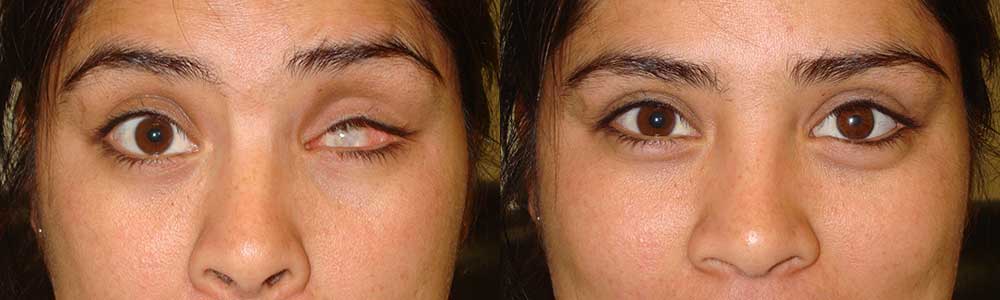
An eye prosthesis is a custom-made artificial eye that replaces a natural eye after removal or severe damage. While it cannot restore eyesight, it significantly improves appearance and supports natural facial structure.
Most prostheses include two components:
- Ocular implant: Surgeons place this inside the socket to support muscles and movement.
- Artificial eye (prosthetic shell): Experts design this part to match the natural eye in color, size, and pattern.
Therefore, patients receive both function and aesthetics through a well-fitted prosthesis.

When Do You Need an Eye Prosthesis?
Doctors usually recommend an artificial eye in cases such as:
- Severe trauma or accidents
- Eye infections that cause irreversible damage
- Tumors that require eye removal
- Painful blind eyes due to advanced conditions
- Congenital eye defects present at birth
Since every patient’s condition differs, a detailed consultation always ensures the right treatment plan..
Types of Eye Prosthesis
Different patients require different types of prostheses. Let’s examine the most common options:
1. Stock Eye Prosthesis
These are pre-made and available in standard sizes. They cost less, but they rarely match the natural eye perfectly.
2. Custom Eye Prosthesis
Specialists design these to match your eye exactly. As a result, they look more natural, fit better, and feel more comfortable.
3. Scleral Shell Prosthesis
This thin shell fits over a damaged or shrunken natural eye. It works well for patients who have not undergone complete eye removal.
By understanding these options, patients can choose what best suits their condition and budget.
The Eye Prosthesis Procedure
The journey of receiving an artificial eye follows a structured process:
- Consultation: The specialist examines your eye socket and recommends the best prosthetic solution.
- Surgery (if required): Surgeons may place an ocular implant in the socket.
- Healing Period: Patients usually need 6–8 weeks for proper healing before fitting the prosthesis.
- Impression and Design: Experts take an impression of your socket and design a prosthetic eye.
- Fitting: You try the custom-made prosthesis, and the doctor adjusts it for comfort.
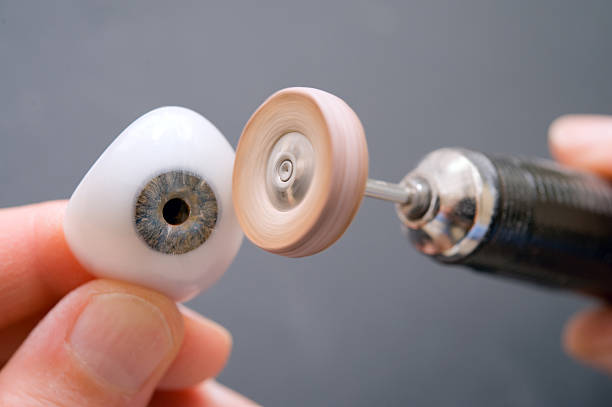
- Finishing Touches: Polishing gives the eye a natural shine and realistic appearance.
Because every step is carefully planned, patients achieve both comfort and confidence.
Benefits of Eye Prosthesis
Patients enjoy multiple advantages once they receive their prosthetic eye. These include:
- Restoring natural facial appearance and symmetry
- Enhancing self-confidence in social and professional settings
- Supporting eyelid function and natural facial movements
- Preventing socket shrinkage and tissue collapse
- Providing comfort while protecting sensitive tissues
Thus, eye prostheses not only restore appearance but also promote long-term well-being.
How to Care for an Eye Prosthesis
Proper care ensures durability and comfort. Fortunately, maintenance is simple when you follow these steps:
- Clean the prosthesis daily using mild soap and lukewarm water.
- Avoid hot water because it can warp the material.
- Always store the prosthesis in its protective case when not in use.
- Brush and clean your eyelids gently to reduce bacterial buildup.
- Schedule polishing sessions every 6–12 months with your specialist.
- Contact your doctor immediately if you notice pain, redness, or discharge.
By maintaining your prosthesis properly, you enjoy long-lasting results with minimal complications.
Living with an Eye Prosthesis
At first, living with an artificial eye may feel challenging. However, most patients adapt quickly.
- Driving: With one healthy eye, you can still drive once you adapt to depth perception.
- Sports and Activities: You can participate freely, although protective eyewear remains important.
- Emotional Adjustment: Support groups and counseling help patients regain confidence faster.
Therefore, an artificial eye not only restores looks but also helps you return to normal life.
Common Myths About Eye Prosthesis
Unfortunately, myths often confuse patients. Let’s clarify the facts:
❌ Myth: Eye prostheses restore vision.
✅ Fact: They improve appearance but not eyesight.
❌ Myth: They always look fake.
✅ Fact: Custom-made prostheses look very natural and closely match the healthy eye.
❌ Myth: They are uncomfortable to wear.
✅ Fact: A well-fitted prosthesis feels comfortable and easy to manage.
By knowing the truth, patients feel more confident about choosing this treatment.
Why Choose The Specialist Dentist for Eye Prosthesis?
At The Specialist Dentist in Barasat, we take pride in offering personalized care, advanced techniques, and expert craftsmanship. Our team ensures that each patient receives a prosthesis that looks natural, feels comfortable, and lasts for years. Moreover, we provide complete guidance—from consultation to aftercare—so that patients feel supported throughout their journey.
Conclusion
Although an eye prosthesis cannot restore vision, it transforms lives by restoring appearance, boosting confidence, and protecting overall eye health. With modern designs and professional care, artificial eyes now look remarkably natural and feel highly comfortable.
📍 Visit us at Udayachal, KNC Road, Gupta Colony, Barasat – 700124
📞 Call us today at 9635132003
🌐 Learn more at www.thespecialistdentist.in
👉 Don’t wait to regain your confidence—book your consultation with The Specialist Dentist today!