Missing teeth can affect more than just your smile. They also impact chewing, speech, confidence, and oral health. Fortunately, dental implants offer a long-lasting solution that looks and feels natural. As dentistry continues to improve, implants have become one of the most trusted treatments for replacing missing teeth.
In this detailed and patient-friendly guide, we explain what dental implants are, how they work, who needs them, and why they are considered the gold standard in tooth replacement.
SEO Keywords: dental implants, tooth replacement, implant dentistry, missing teeth treatment, dental implant Barasat, permanent teeth replacement, implant specialist
What Are Dental Implants?
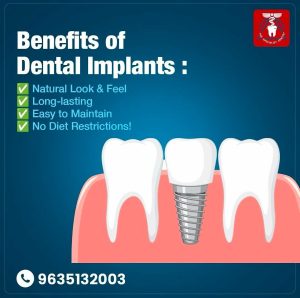
A dental implant is an artificial tooth root made of biocompatible titanium. It is placed into the jawbone to support a crown, bridge, or denture. Since the implant fuses with the bone, it provides a strong and stable foundation, similar to a natural tooth.
Dental implants are designed to last for many years. They restore both function and appearance, making them a preferred choice for patients of all ages.
Why People Choose Dental Implants Today
Many tooth replacement options exist, including dentures and bridges. However, implants have unique advantages that set them apart.
Benefits of Dental Implants
-
They look like natural teeth.
-
They feel stable and comfortable.
-
They help maintain jawbone health.
-
They improve bite strength and chewing efficiency.
-
They last longer than traditional options.
-
They do not affect nearby healthy teeth.
-
They boost confidence and facial structure.
Because of these benefits, dental implants have become the most recommended option for missing teeth.
Types of Dental Implants
There are different implant options depending on your needs. Understanding them helps you choose the right one.
1. Single Tooth Implant
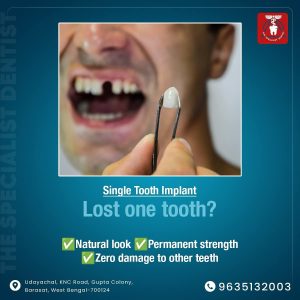
Used when you are missing one tooth. A single implant supports one crown.
2. Multiple Tooth Implants
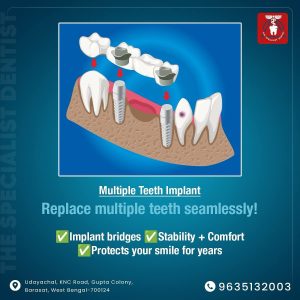
If you have several missing teeth, implants can support a bridge.
3. Full Mouth Implants
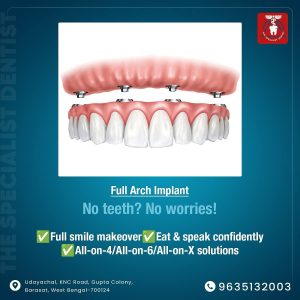
For patients missing all teeth, full mouth implant solutions like All-on-4 or All-on-6 offer fixed teeth.
4. Implant-Supported Dentures
These are dentures secured with implants for better stability.
Each option restores your smile effectively. A dentist will help decide based on your bone condition and requirements.
Who Needs Dental Implants?
You may be a good candidate for implants if:
-
You have missing teeth
-
Your dentures feel loose or uncomfortable
-
You want a long-term, fixed solution
-
You have difficulty chewing
-
You want a natural-looking replacement
-
You have a healthy jawbone
Even if your jawbone is thin, bone grafting can strengthen it so implants can be placed safely.
What Causes Tooth Loss?
Before choosing implants, it helps to understand why teeth may fall out or need removal.
Common reasons include:
-
Gum disease
-
Severe decay
-
Trauma or accidents
-
Failed root canal
-
Genetic dental conditions
Implants help restore function after tooth loss and prevent further complications.
How Dental Implants Work: Step-by-Step
Although the process may take a few months, each stage is essential for long-lasting results. Here is how the treatment typically works:
Step 1: Consultation and Evaluation
Your dentist examines your mouth, takes X-rays, and checks your bone structure. A customized treatment plan is then created.
Step 2: Implant Placement
A minor surgical procedure places the implant into the jawbone. Local anesthesia ensures comfort during the process.
Step 3: Healing and Bone Integration
The implant and bone fuse naturally in a process called osseointegration. This usually takes 8–12 weeks.
Step 4: Abutment Placement
Once healing is complete, an abutment (connector) is attached to the implant.
Step 5: Crown Placement
Finally, a natural-looking crown is fixed onto the abutment. As a result, you get a fully functional new tooth.
Throughout the procedure, you receive clear guidance and regular follow-ups.
Do Dental Implants Hurt?
Because local anesthesia is used, the placement procedure is generally comfortable. Mild soreness afterward is normal, but it reduces within a few days. Most patients say it feels easier than a tooth extraction.
Advantages of Dental Implants Over Other Options
When compared with bridges or dentures, implants offer significant benefits.
Implants vs Bridges
-
Implants do not require filing adjacent teeth
-
Bridges may not last as long
-
Implants preserve bone health
Implants vs Dentures
-
Implants provide better stability
-
Dentures can slip while speaking or eating
-
Implants feel natural and do not need removal
Therefore, implants provide comfort, function, and longevity.
Cost of Dental Implants
The cost varies depending on the number of implants, bone condition, and crown material. However, implants are a long-term investment. They last for many years with proper care.
How Long Do Dental Implants Last?
With good oral hygiene and regular check-ups, dental implants can last 15–20 years or even a lifetime. Their durability makes them a reliable choice.