

Introduction
Have you ever wondered what happens to your jawbone when you lose a tooth? Many people focus on the visible gap in their smile, but the real changes often happen beneath the surface. Your jawbone plays a crucial role in supporting your teeth, maintaining facial structure, and preserving long-term oral health.
When comparing Dental Implants vs Natural Teeth, one of the most important factors is how each affects the jawbone over time. Natural teeth help stimulate the jawbone every day during chewing and biting. However, when a tooth is lost, the jawbone may gradually shrink if it no longer receives that stimulation.
Fortunately, modern dentistry offers solutions that can help preserve jawbone health. Understanding these differences can help you make informed decisions about tooth replacement and long-term dental care.
In this article, we will explore how natural teeth and dental implants interact with the jawbone, why bone loss occurs, and what you can do to protect your oral health for years to come.
What Is the Relationship Between Teeth and Jawbone Health?
Your teeth and jawbone work together as a single system.
Every time you chew, bite, or speak, your tooth roots transmit pressure into the jawbone. This stimulation tells the body that the bone is needed and should remain strong.
As a result, healthy natural teeth help maintain bone density and jaw strength.
However, when a tooth is missing, the bone in that area receives less stimulation. Consequently, the body may begin to reabsorb the bone, leading to gradual bone loss over time.
This process is known as bone resorption.
Understanding Dental Implants vs Natural Teeth
The discussion around Dental Implants vs Natural Teeth often focuses on appearance and function. While those factors are important, jawbone health is equally critical.
Natural teeth contain roots that extend into the jawbone. These roots provide constant stimulation whenever you chew.
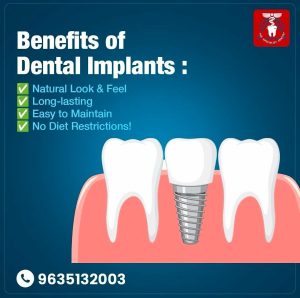
Dental implants are designed to replace both the visible tooth and its root. The implant post is placed into the jawbone, where it functions similarly to a natural root.
Traditional solutions such as removable dentures or bridges may restore appearance and function. However, they do not always provide the same level of bone stimulation.
Therefore, understanding how different tooth replacement options affect bone health is essential.
How Natural Teeth Support the Jawbone
Natural teeth are uniquely designed to preserve jawbone health.
Continuous Bone Stimulation
Each tooth root stimulates the surrounding bone during everyday activities.
Because of this ongoing stimulation, the jawbone remains active and healthy.
Natural Force Distribution
Natural teeth distribute chewing forces evenly throughout the jaw.
As a result, the bone receives balanced pressure that supports its strength and structure.
Preservation of Facial Structure
Healthy teeth help maintain facial contours and support the lips and cheeks.
Therefore, preserving natural teeth whenever possible remains a primary goal in dentistry.
What Happens When a Tooth Is Lost?
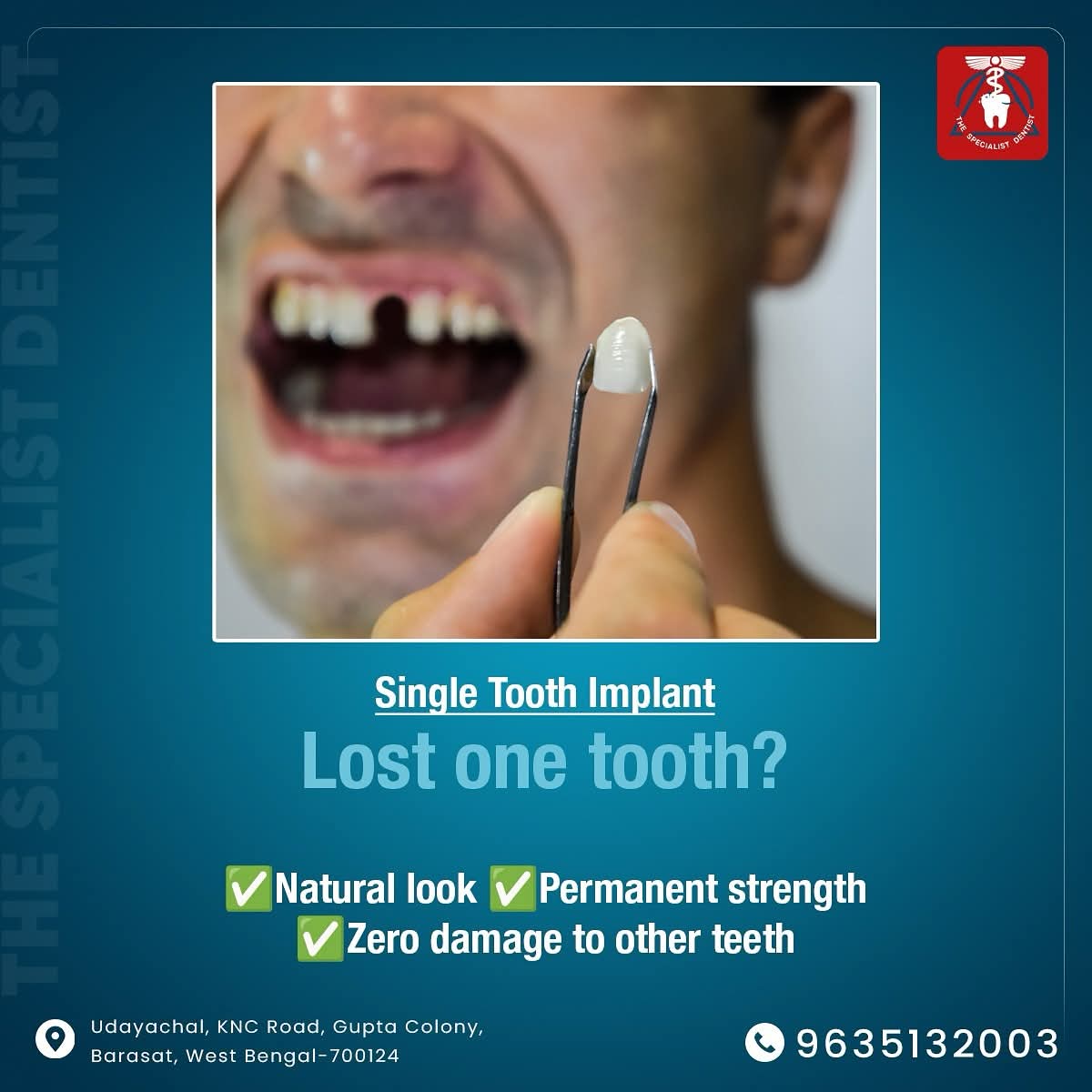
Tooth loss affects more than just your smile.
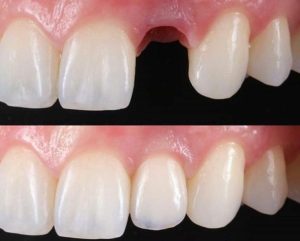
After a tooth is removed or lost, the surrounding jawbone no longer receives normal stimulation. Consequently, the body begins breaking down the unused bone tissue.
Research shows that significant bone loss can occur during the first year after tooth loss.
Moreover, the process may continue for many years if the missing tooth is not replaced.
Over time, this can lead to:
- Reduced jawbone volume
- Changes in facial appearance
- Difficulty chewing
- Shifting of nearby teeth
- Bite problems
- Reduced support for future dental restorations
Because of these risks, timely tooth replacement is often recommended.
Common Symptoms of Jawbone Loss
Jawbone loss often develops slowly and may not be immediately noticeable.
Common signs include:
- Sunken facial appearance
- Wrinkles around the mouth
- Loose dentures
- Changes in bite alignment
- Difficulty chewing certain foods
- Shrinking gum tissue
- Teeth shifting position
- Reduced jawline definition
In some cases, patients do not realize they are experiencing bone loss until a dentist identifies it during an examination.
Main Causes of Jawbone Deterioration
Several factors can contribute to jawbone loss.
Missing Teeth
This is one of the most common causes.
Without tooth roots, the bone receives less stimulation and gradually shrinks.
Periodontal Disease
Advanced gum disease can damage the tissues and bone supporting the teeth.
As the disease progresses, bone destruction may occur.
Trauma or Injury
Accidents that damage teeth or bone structures can contribute to localized bone loss.
Tooth Extractions
Although extractions are sometimes necessary, the area may experience bone resorption afterward if not properly managed.
Poor Oral Health
Untreated infections and chronic inflammation can negatively affect bone health over time.
Risk Factors for Bone Loss
Certain individuals face a higher risk of jawbone deterioration.
These include:
- People with missing teeth
- Patients with gum disease
- Smokers
- Individuals with uncontrolled diabetes
- Older adults
- People with poor oral hygiene habits
- Patients who delay dental treatment
- Individuals with multiple tooth extractions
However, early professional care can significantly reduce many of these risks.
Why Early Diagnosis Matters
Early diagnosis can make a major difference in preserving oral health.
When bone loss is detected early, dentists can develop treatment plans before significant damage occurs.
Moreover, preserving existing bone often simplifies future treatment options.
Benefits of early diagnosis include:
- Better treatment outcomes
- Lower risk of complications
- Improved implant success rates
- Preservation of facial appearance
- Enhanced chewing ability
- Reduced treatment complexity
Regular dental visits play a crucial role in identifying problems before they worsen.
Treatment Options for Jawbone Preservation
Modern dentistry offers several effective solutions for preserving bone health.
Dental Implants
Dental implants are widely considered one of the best options for replacing missing teeth.
Unlike many alternatives, implants are placed directly into the jawbone.
As a result, they provide stimulation that helps reduce bone loss.
Benefits include:
- Bone preservation
- Natural appearance
- Long-term durability
- Improved chewing efficiency
- Enhanced comfort
Bone Grafting
In cases where bone loss has already occurred, bone grafting may be recommended.
This procedure helps rebuild bone volume and create a stronger foundation for future treatment.
Periodontal Therapy
If gum disease is causing bone loss, periodontal treatment can help control infection and prevent further damage.
Dental Bridges
Bridges may replace missing teeth and restore function.
However, they do not replace the tooth root, so bone stimulation in the missing tooth area remains limited.
H3: Dentures
Dentures restore appearance and chewing ability.
Nevertheless, they generally do not provide direct stimulation to the jawbone.
Benefits of Professional Dental Treatment
Seeking professional care offers numerous advantages.
Key Benefits Include:
- Accurate diagnosis
- Personalized treatment planning
- Long-term bone preservation
- Improved oral function
- Better aesthetics
- Prevention of future complications
- Enhanced quality of life
Furthermore, professional treatment ensures that any underlying issues are properly addressed.

Dental Implants vs Natural Teeth: Which Is Better for Jawbone Health?
When discussing Dental Implants vs Natural Teeth, it is important to remember that natural teeth remain the ideal option whenever they can be preserved.
Natural teeth provide the most natural form of bone stimulation and function.
However, if a tooth is lost, dental implants are often considered the closest replacement because they mimic the function of a natural root.
Comparison overview:
| Feature | Natural Teeth | Dental Implants |
|---|---|---|
| Jawbone Stimulation | Excellent | Excellent |
| Bone Preservation | Excellent | Very Good |
| Root Presence | Yes | Artificial Root |
| Chewing Function | Natural | Very Similar |
| Lifespan | Depends on Oral Health | Long-Term with Care |
| Facial Structure Support | Excellent | Very Good |
Therefore, preserving natural teeth remains the first choice. However, dental implants can be an outstanding solution when tooth replacement becomes necessary.
Prevention Tips for Long-Term Jawbone Health
Protecting your jawbone starts with good oral care and regular dental visits.
Follow These Tips:
- Brush twice daily
- Floss every day
- Attend routine dental checkups
- Treat gum disease promptly
- Replace missing teeth when recommended
- Avoid tobacco products
- Maintain a healthy diet
- Follow your dentist’s instructions
In addition, regular professional evaluations can help detect early signs of bone loss.
Possible Complications if Ignored
Ignoring tooth loss or bone deterioration can lead to serious oral health concerns.
Potential complications include:
- Progressive bone loss
- Facial collapse and aging appearance
- Bite problems
- Difficulty speaking
- Reduced chewing ability
- Tooth movement
- Increased risk of additional tooth loss
- More complex future treatments
Consequently, delaying treatment often leads to greater challenges and costs later.
When to Visit a Dentist
You should schedule a dental appointment if you notice:
- Missing teeth
- Loose teeth
- Bleeding gums
- Receding gums
- Difficulty chewing
- Changes in your bite
- Jaw discomfort
- Loose dentures
Moreover, routine dental checkups remain important even if no symptoms are present.
Regular examinations help identify hidden issues before they become significant problems.
Myths vs Facts
Myth 1: Bone loss stops after a few months.
Fact: Bone loss can continue for years after tooth loss if no root replacement is present.
Myth 2: Dentures prevent jawbone shrinkage.
Fact: Dentures restore function but generally do not stop bone resorption.
Myth 3: Missing one tooth is not a big deal.
Fact: Even a single missing tooth can contribute to localized bone loss.
Myth 4: Dental implants only improve appearance.
Fact: Implants also help support jawbone health.
Myth 5: Bone loss is a normal part of aging.
Fact: While age may influence bone health, tooth loss and disease are major contributors to jawbone deterioration.

Long-Term Oral Health Importance
Jawbone health affects far more than your smile.
A healthy jawbone supports:
- Proper chewing
- Speech function
- Facial appearance
- Tooth stability
- Overall oral health
Therefore, protecting the jawbone should be a long-term priority.
Whether through preserving natural teeth or replacing missing teeth with appropriate solutions, maintaining bone health contributes significantly to quality of life.
[dentist near me, dental clinic near me, dentist near me, dental clinic near me, dentist near me, dental clinic near me, dentist near me, dental clinic near me, dentist near me, dental clinic near me, dentist near me, dental clinic near me, dentist near me, dental clinic near me, dentist near me, dental clinic near me, dentist near me, dental clinic near me,dentist near me, dental clinic near me, barasat dentistry, barasat, dentist, oral health]