

Dental Implants: 10 Things Most Patients Don’t Know Before Treatment
Introduction
Losing a tooth can affect much more than your smile. It can change the way you eat, speak, and even how confident you feel in social situations. While many people know that dental implants are one of the best options for replacing missing teeth, they often begin treatment without fully understanding what the journey involves.
In fact, many patients are surprised to learn that dental implant treatment is about much more than simply placing an artificial tooth. From bone health to healing time, several important factors can influence the success of the procedure.
If you’re considering dental implants, knowing these facts beforehand can help you make informed decisions, set realistic expectations, and achieve better long-term results. This guide explains everything you should know before starting treatment in simple, patient-friendly language.
What Are Dental Implants?
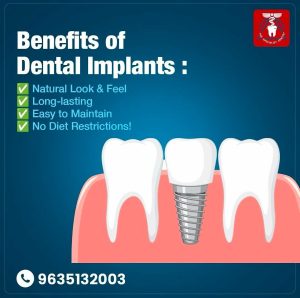
Dental implants are artificial tooth roots made from medical-grade titanium or similar biocompatible materials. They are placed into the jawbone through a carefully planned surgical procedure. Once healed, the implant supports a custom-made crown, bridge, or denture that looks and functions like a natural tooth.
Unlike removable dentures, dental implants become securely integrated with the jawbone through a natural healing process known as osseointegration. As a result, they offer excellent stability, comfort, and durability.
Why Do People Need Dental Implants?
Dentists often recommend dental implants for patients who have lost one or more teeth due to:
- Tooth decay
- Gum disease
- Dental trauma
- Tooth fractures
- Failed root canal treatment
- Congenital missing teeth
Moreover, replacing missing teeth promptly helps maintain your bite, jawbone, and facial appearance.
Common Symptoms That May Indicate You Need an Implant
You may be a suitable candidate for dental implants if you experience:
- One or more missing teeth
- Difficulty chewing certain foods
- Loose dentures
- Shifting of nearby teeth
- Bone loss in the jaw
- Changes in facial appearance
- Reduced confidence while smiling
However, only a dental examination and imaging can confirm whether implants are the right solution.
Main Causes of Tooth Loss
Understanding why teeth are lost can also help prevent future problems.
Severe Tooth Decay
Untreated cavities can eventually destroy a tooth beyond repair.
Gum Disease
Advanced periodontal disease damages the bone supporting teeth, leading to tooth loss.
Injury or Accident
Sports injuries, falls, or trauma can permanently damage teeth.
Cracked Teeth
Sometimes deep cracks extend below the gum line, making extraction necessary.
Failed Dental Treatments
Occasionally, previous restorations may not succeed, requiring replacement with an implant.
Risk Factors That Can Affect Implant Success
Although dental implants have a very high success rate, certain conditions can influence healing.
These include:
- Smoking
- Uncontrolled diabetes
- Poor oral hygiene
- Advanced gum disease
- Severe bone loss
- Certain medications
- Teeth grinding (Bruxism)
Fortunately, many of these factors can be managed before treatment begins.

Why Early Diagnosis Matters
Many patients wait months—or even years—to replace a missing tooth. Unfortunately, delaying treatment may lead to additional complications.
For example:
- Jawbone begins shrinking
- Nearby teeth start shifting
- Bite alignment changes
- Chewing becomes difficult
- Additional restorative treatment may become necessary
Therefore, visiting your dentist early often makes treatment simpler and more predictable.
Dental Implants: 10 Things Most Patients Don’t Know Before Treatment
1. Dental Implants Replace the Tooth Root Too
Many people think implants replace only the visible tooth.
However, the implant actually replaces the missing root beneath the gums. This helps stimulate the jawbone and prevents bone loss, which ordinary bridges cannot achieve.
2. Not Everyone Can Get an Implant Immediately
Having a missing tooth doesn’t always mean implant placement can happen right away.
Some patients first require:
- Bone grafting
- Gum treatment
- Tooth extraction healing
- Infection control
Your dentist creates a treatment plan based on your oral health.
3. Bone Quality Is More Important Than You Think
Healthy jawbone provides the foundation for successful implants.
If bone has deteriorated due to long-term tooth loss or gum disease, additional procedures may be recommended before implant placement.
Fortunately, modern dentistry offers several techniques to rebuild lost bone.
4. The Entire Process Takes Time
Many patients expect to receive a permanent tooth within a few days.
In reality, implant treatment usually occurs over several months.
This allows the implant to properly fuse with the jawbone before the final crown is attached.
Although the timeline may seem longer, it greatly improves long-term success.
5. The Procedure Is Usually Less Painful Than Expected
One of the biggest fears patients have is pain.
Interestingly, many people report that implant surgery feels easier than having a tooth extracted.
Local anesthesia keeps the area numb during the procedure. Afterwards, mild discomfort is usually manageable with medications prescribed by your dentist.
6. Dental Implants Can Last for Decades
Dental implants are designed to be a long-term solution.
With:
- Good oral hygiene
- Regular dental check-ups
- Professional cleanings
- Healthy lifestyle habits
many implants remain successful for decades.
In addition, the implant itself often lasts longer than other tooth replacement options.
7. Smoking Can Reduce Implant Success
Smoking reduces blood flow to healing tissues.
As a result, implant integration may become slower or less predictable.
Dentists often recommend quitting smoking before and after surgery to improve healing and reduce complications.
8. Good Oral Hygiene Remains Essential
Because implants cannot develop cavities, some patients believe brushing becomes less important.
This is a common misunderstanding.
Plaque can still accumulate around implants, causing inflammation called peri-implant disease. If untreated, this condition may eventually lead to implant failure.
Therefore, daily brushing, flossing, and professional cleanings remain essential.
9. Dental Implants Look Extremely Natural
Modern implant crowns are custom-designed to match:
- Tooth colour
- Shape
- Size
- Bite
- Smile line
Consequently, most people cannot tell the difference between an implant and a natural tooth.
10. Choosing an Experienced Dentist Makes a Difference
Successful implant treatment depends on proper planning, precise placement, and ongoing care.
Experienced implant dentists use detailed clinical examinations, digital scans, and personalized treatment planning to improve accuracy and long-term outcomes.
As with any healthcare decision, choosing a qualified dental professional is an important part of achieving the best possible results.
Treatment Options
Depending on your condition, your dentist may recommend:
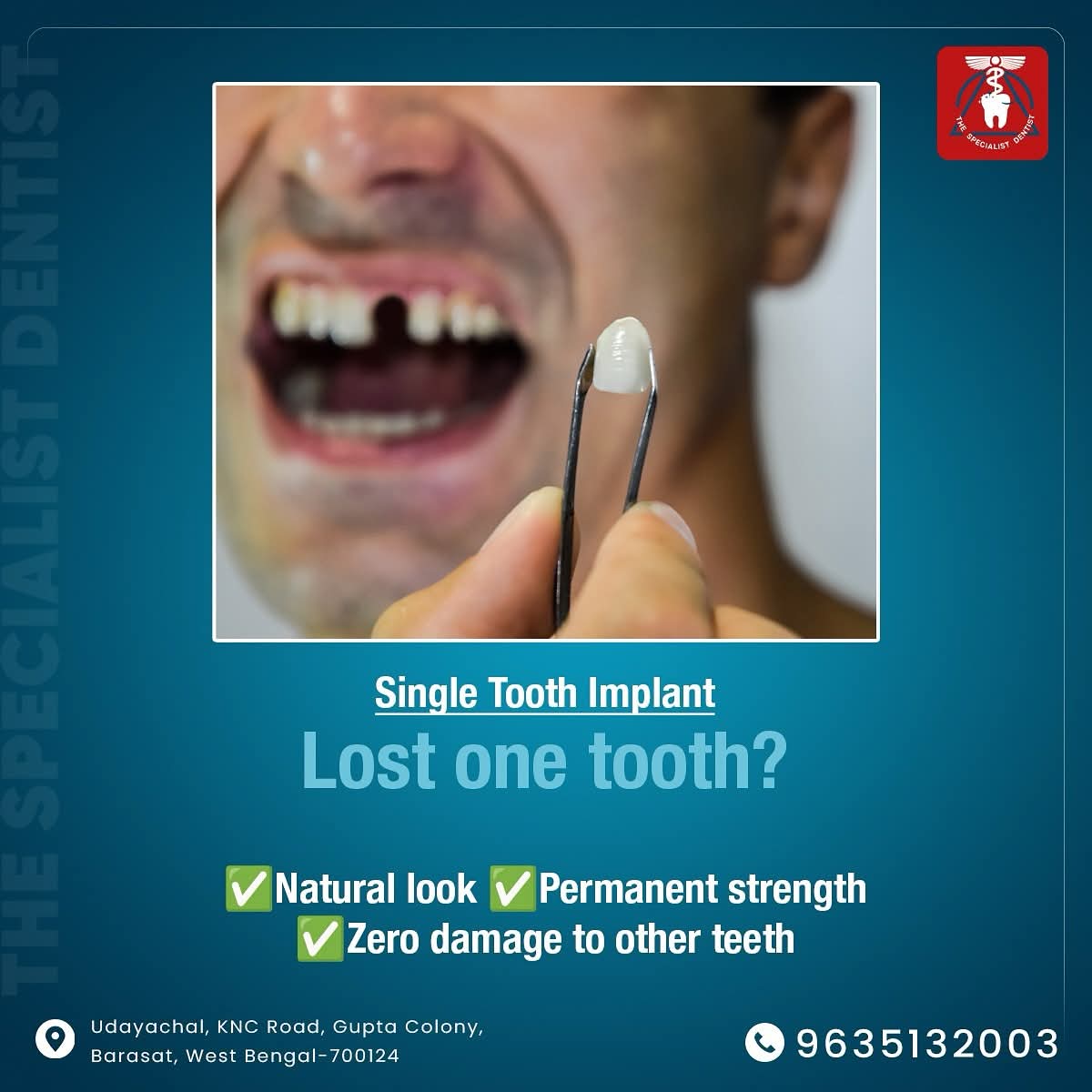
Single Dental Implant
Ideal for replacing one missing tooth.
Implant-Supported Bridge
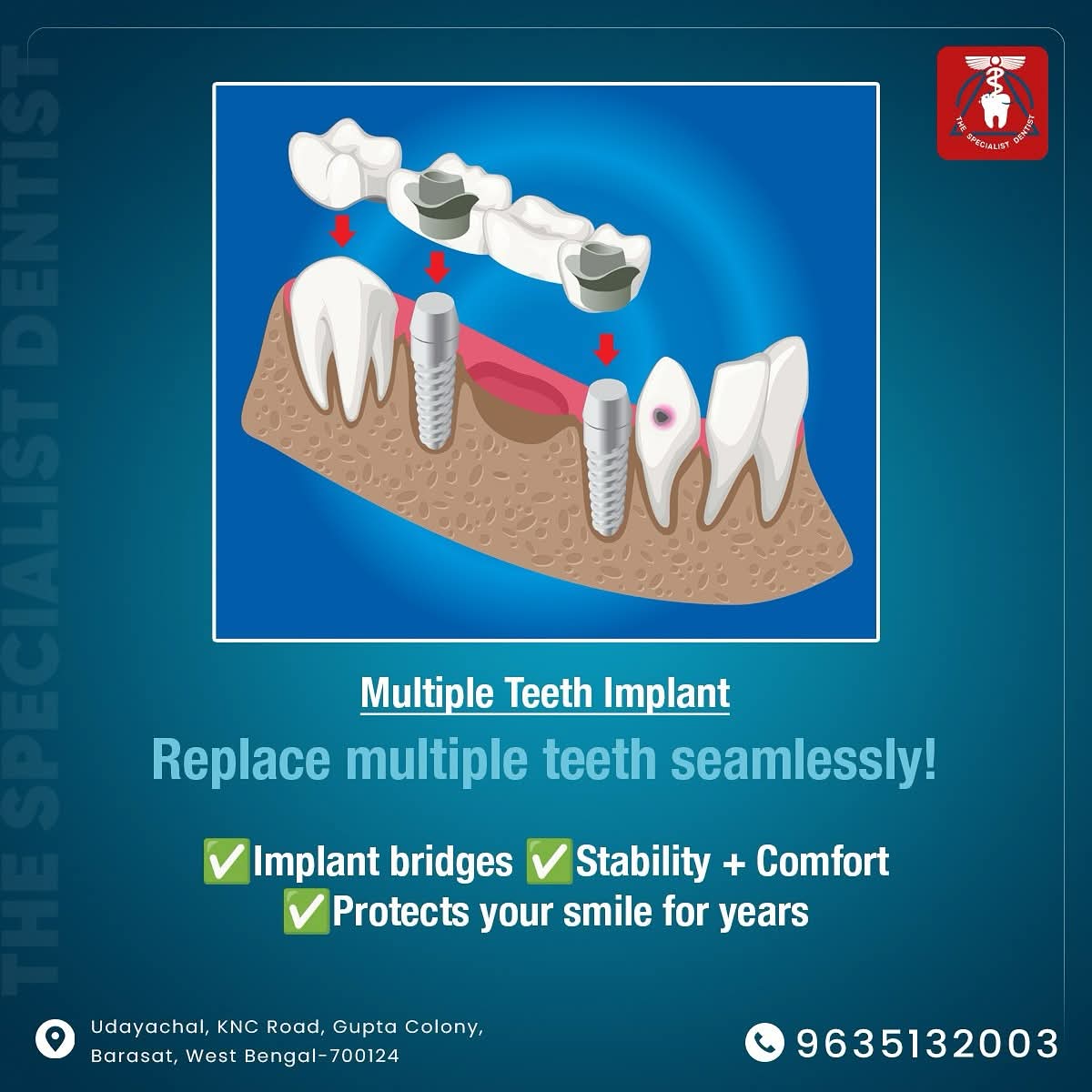
Suitable when multiple adjacent teeth are missing.
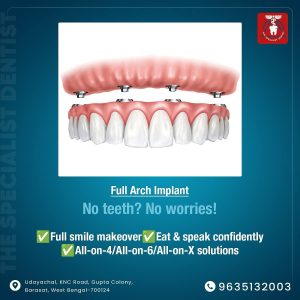
Full Mouth Dental Implants
Recommended for patients missing most or all teeth.
Implant-Supported Dentures
Provide greater stability than conventional removable dentures.
Your dentist will determine the best option after a complete clinical examination and imaging.
Benefits of Professional Dental Implant Treatment
Professional treatment offers several advantages.
These include:
- Restores natural appearance
- Improves chewing ability
- Preserves jawbone
- Prevents neighbouring teeth from shifting
- Enhances speech
- Supports facial structure
- Long-lasting solution
- Comfortable fit
- Improves confidence
- High success rate
Furthermore, implants help improve overall quality of life by restoring everyday comfort and function.
Possible Complications if Missing Teeth Are Ignored
Ignoring missing teeth can lead to:
- Bone loss
- Bite problems
- Difficulty eating
- Speech changes
- Jaw joint discomfort
- Increased pressure on remaining teeth
- Facial sagging over time
Therefore, replacing missing teeth promptly helps protect your long-term oral health.
Prevention Tips for Long-Term Implant Success
Although implants are highly durable, proper care is essential.
To maintain healthy implants:
- Brush twice daily.
- Clean between teeth every day.
- Visit your dentist regularly.
- Attend professional cleanings.
- Avoid smoking.
- Wear a night guard if you grind your teeth.
- Follow your dentist’s aftercare instructions carefully.
- Report any unusual pain or swelling promptly.
Consistency plays a major role in keeping implants healthy for years.
Myths vs Facts
| Myth | Fact |
|---|---|
| Implants are painful. | Most patients experience only mild discomfort. |
| Implants are only for older adults. | Adults of different ages may be suitable candidates. |
| Implants require special maintenance. | They need the same good oral hygiene as natural teeth. |
| Dental implants look fake. | Modern implant crowns are highly natural-looking. |
| Tooth loss is only cosmetic. | Missing teeth can affect bone, bite, speech, and overall oral health. |
Why Long-Term Oral Health Matters
Replacing a missing tooth is not only about improving your smile.
Healthy teeth work together to maintain proper chewing, speech, and jaw function. Likewise, replacing missing teeth helps preserve the surrounding bone and prevents unnecessary strain on remaining teeth.
Regular dental check-ups also allow your dentist to monitor implant health and identify any concerns early, ensuring long-lasting results.
When Should You Visit a Dentist?
Schedule a dental consultation if you:
- Have one or more missing teeth
- Notice loose teeth
- Experience difficulty chewing
- Wear uncomfortable dentures
- Have advanced gum disease
- Want a permanent tooth replacement option
Early evaluation provides more treatment options and often leads to better outcomes.

Conclusion
Choosing dental implants is an investment in both your oral health and your confidence. Understanding the treatment process, healing timeline, and long-term care requirements helps you make informed decisions and prepares you for a successful outcome.
Although every patient’s situation is unique, early consultation with a qualified dentist allows for proper evaluation and personalized treatment planning. With expert care and regular follow-up, dental implants can provide a stable, natural-looking, and long-lasting solution for missing teeth.
Book Your Consultation Today
If you’re considering dental implants or looking for a permanent solution for missing teeth, don’t wait until the problem becomes more complicated. Schedule a consultation with our experienced dental team to discuss your options, receive a comprehensive evaluation, and create a treatment plan tailored to your needs.
Your healthier smile starts with the right guidance. Book your dental appointment today and take the first step toward restoring your smile with confidence.
[dental clinic near me, dentist near me, barasat dental clinic, dental clinic near me, dentist near me, barasat dental clinic, dental clinic near me, dentist near me, barasat dental clinic, dental clinic near me, dentist near me, barasat dental clinic, dental clinic near me, dentist near me, barasat dental clinic, dental clinic near me, dentist near me, barasat dental clinic, dental clinic near me, dentist near me, barasat dental clinic, dental clinic near me, dentist near me, barasat dental clinic, dental clinic near me, dentist near me, barasat dental clinic, dental clinic near me, dentist near me, barasat dental clinic, dental clinic near me, dentist near me, barasat dental clinic, dental clinic near me, dentist near me, barasat dental clinic, dental clinic near me, dentist near me, barasat dental clinic, ]