

Introduction
Have you ever looked in the mirror and wished your teeth were straighter, only to think, “Am I too old for braces?” If so, you are not alone. Many adults believe orthodontic treatment is only for teenagers. However, this is one of the most common misconceptions in modern dentistry.
In reality, Adult Braces Treatment has become increasingly popular over the past few decades. More adults than ever are choosing to straighten their teeth, improve their smiles, and enhance their oral health. Moreover, advances in orthodontic technology have made treatment more comfortable, discreet, and effective than ever before.
Whether you are concerned about crooked teeth, bite problems, crowding, or gaps, orthodontic treatment may still be an option regardless of your age. Therefore, understanding the facts behind adult braces can help you make informed decisions about your oral health.
In this article, we will separate myths from facts, explain how adult orthodontic treatment works, and discuss the benefits of achieving a healthier, straighter smile at any age.
What Is Adult Braces Treatment?
Adult orthodontic treatment refers to the correction of tooth alignment and bite problems in individuals who have completed their jaw growth.
The goal is to improve both the appearance and function of the teeth.
Orthodontic treatment may address:
- Crooked teeth
- Crowded teeth
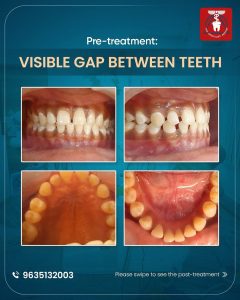
- Gaps between teeth
- Overbite
- Underbite
- Crossbite
- Open bite
- Shifting teeth
Unlike childhood treatment, adult orthodontics often focuses on correcting long-standing alignment issues while maintaining overall oral health.
Moreover, modern treatment options allow adults to choose solutions that fit their lifestyle and aesthetic preferences.

Can Adults Really Get Braces Successfully?
The simple answer is yes.
Adults can successfully undergo orthodontic treatment and achieve excellent results.
In fact, teeth can move throughout life when guided by professional orthodontic forces. Although jaw growth is complete in adulthood, the teeth and surrounding bone still respond to carefully controlled treatment.
Consequently, adults of many ages can improve their smile and oral function.
Furthermore, successful treatment depends more on oral health and treatment planning than on age alone.
Many adults in their 30s, 40s, 50s, and even older have successfully completed orthodontic treatment.
Common Signs You May Need Orthodontic Treatment
Many adults live with orthodontic issues for years without realizing how much they affect daily life.
Common signs include:
- Crooked or crowded teeth
- Gaps between teeth
- Difficulty cleaning certain areas
- Frequent food trapping
- Uneven tooth wear
- Jaw discomfort
- Bite problems
- Difficulty chewing
- Teeth grinding
- Speech concerns
If you notice any of these symptoms, a professional orthodontic evaluation may be beneficial.
Main Causes of Adult Teeth Misalignment
Several factors can contribute to orthodontic problems in adulthood.
Genetics
Many alignment issues are inherited.
For example, jaw size and tooth size often run in families.
As a result, crowding or spacing may develop naturally.
Childhood Orthodontic Relapse
Some adults had braces as children.
However, teeth can gradually shift if retainers are not worn as instructed.
Tooth Loss
Missing teeth can cause neighboring teeth to move into empty spaces.
Consequently, alignment problems may develop over time.
Gum Disease
Advanced gum disease may weaken tooth support structures.
As a result, teeth can become loose and shift position.
Natural Aging Changes
Teeth naturally move slightly throughout life.
Therefore, some adults experience increasing crowding, particularly in the lower front teeth.
Risk Factors for Orthodontic Problems
Certain factors may increase the likelihood of needing orthodontic treatment.
These include:
- Family history of crooked teeth
- Previous orthodontic treatment without retention
- Missing teeth
- Gum disease
- Teeth grinding
- Poor oral hygiene
- Jaw growth abnormalities
- Untreated dental issues
Although some factors cannot be prevented, early intervention can often reduce complications.
Why Early Diagnosis Matters
Orthodontic problems rarely improve on their own.
Instead, they often become more noticeable over time.
Therefore, early diagnosis can prevent more significant issues later.
Benefits of early evaluation include:
- Simpler treatment planning
- Improved oral health
- Better long-term outcomes
- Reduced risk of tooth wear
- Easier maintenance of oral hygiene
- Greater treatment options
Moreover, adults who seek treatment sooner may experience shorter treatment times in some cases.
Treatment Options for Adults
Modern orthodontics offers several treatment choices for adult patients.
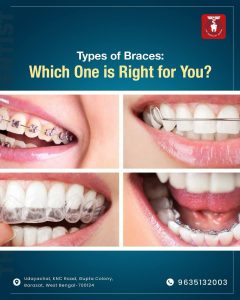
Traditional Metal Braces
Metal braces remain one of the most effective orthodontic systems available.
They can successfully correct simple and complex cases.
Moreover, today’s braces are smaller and more comfortable than older versions.
Ceramic Braces
Ceramic braces function similarly to metal braces.
However, they blend more naturally with the tooth color.
As a result, they are often preferred by adults seeking a less noticeable option.
Clear Aligners
Clear aligners have become increasingly popular among adults.
These removable trays gradually move teeth into proper alignment.
Furthermore, they offer a discreet appearance and convenience for many patients.
Lingual Braces
Lingual braces are placed behind the teeth rather than on the front surfaces.
Consequently, they remain hidden from view during treatment.
Retainers
Retainers help maintain results after active orthodontic treatment.
Without proper retention, teeth may gradually shift again.

Benefits of Professional Orthodontic Treatment
The advantages of orthodontic care extend far beyond cosmetic improvements.
Improved Oral Hygiene
Straight teeth are generally easier to clean.
As a result, plaque accumulation may decrease.
Better Gum Health
Properly aligned teeth can help reduce areas where bacteria accumulate.
Consequently, gum health often improves.
Improved Bite Function
Orthodontic treatment helps teeth fit together more effectively.
Therefore, chewing efficiency may improve.
Reduced Tooth Wear
Misaligned teeth often experience uneven pressure.
Correcting the bite can help distribute forces more evenly.
Enhanced Confidence
Many patients report increased confidence after treatment.
Moreover, a healthier smile often positively impacts social and professional interactions.
Adult Braces Treatment: Common Myths vs Facts
Many misconceptions discourage adults from seeking treatment.
Let’s examine some of the most common myths.
Myth 1: Braces Are Only for Teenagers
Fact: Orthodontic treatment can be successful at many ages.
Adults make up a significant percentage of orthodontic patients worldwide.
Myth 2: Adult Teeth Cannot Be Moved
Fact: Teeth can move throughout life when guided by professional orthodontic treatment.
Age alone does not prevent successful tooth movement.
Myth 3: Adult Braces Take Too Long
Fact: Treatment times vary depending on the complexity of each case.
Some patients achieve their goals within a relatively reasonable timeframe.
Myth 4: Braces Are Always Highly Visible
Fact: Modern orthodontics offers discreet options such as ceramic braces and clear aligners.
Myth 5: Orthodontic Treatment Is Purely Cosmetic
Fact: Orthodontics often improves oral health, chewing function, bite balance, and gum health.
Myth 6: Treatment Is Too Uncomfortable
Fact: Mild discomfort may occur during adjustment periods.
However, modern orthodontic systems are generally more comfortable than older designs.
Myth 7: Adults Are Too Old for Orthodontics
Fact: There is no specific upper age limit for many orthodontic treatments.
Healthy teeth and gums are often more important than age.
Prevention Tips for Long-Term Results
Maintaining orthodontic results requires ongoing care.
Follow These Recommendations:
- Wear retainers as instructed
- Brush twice daily
- Floss regularly
- Attend routine dental checkups
- Visit your orthodontist as recommended
- Address dental concerns promptly
- Avoid habits that may damage teeth
Furthermore, consistent oral hygiene supports both orthodontic success and overall dental health.
Possible Complications if Orthodontic Problems Are Ignored
Untreated alignment issues may contribute to several oral health concerns.
Potential complications include:
- Increased cavity risk
- Gum disease
- Tooth wear
- Bite dysfunction
- Jaw discomfort
- Difficulty chewing
- Speech concerns
- Tooth fractures
- Progressive crowding
Consequently, delaying treatment may allow these problems to worsen.
When to Visit a Dentist or Orthodontist
Consider scheduling an orthodontic evaluation if you notice:
- Crooked teeth
- Crowding
- Gaps between teeth
- Difficulty chewing
- Jaw pain
- Teeth grinding
- Shifting teeth
- Uneven tooth wear
Additionally, adults who previously had braces but notice teeth moving again should seek professional advice.
Long-Term Oral Health Importance
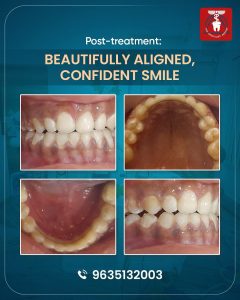
A properly aligned smile supports more than aesthetics.
Straight teeth contribute to:
- Easier cleaning
- Healthier gums
- Better bite balance
- Improved chewing function
- Reduced tooth wear
- Enhanced confidence
- Long-term oral stability
Therefore, orthodontic treatment can be viewed as an investment in both appearance and oral health.
Moreover, maintaining proper alignment may help reduce future dental complications.
[dentist near me, dental clinic near me, dentist near me, dental clinic near me, dentist near me, dental clinic near me, dentist near me, dental clinic near me, dentist near me, dental clinic near me, dentist near me, dental clinic near me, dentist near me, dental clinic near me, braces, orhtodontics, dnetal care, oral care]