

What Is Bone Loss in the Jaw?
To begin with, the jawbone supports your teeth and maintains facial structure. It stays strong through regular stimulation from chewing and biting.
However, when this stimulation reduces, the bone slowly begins to shrink. As a result, bone density decreases, and the jawbone weakens over time. This condition is known as jaw bone loss.
Eventually, untreated bone loss can lead to loose teeth, tooth loss, and even facial sagging.

Common Causes of Bone Loss in the Jaw
Jaw bone loss does not happen suddenly. Instead, it develops gradually due to several underlying reasons.
The most common causes include:
-
Missing teeth: When a tooth is lost and not replaced, bone stimulation stops
-
Gum disease (periodontitis): Infection destroys bone supporting the teeth
-
Tooth extractions: Bone shrinks if replacement is delayed
-
Ill-fitting dentures: Uneven pressure accelerates bone loss
-
Trauma or injury: Accidents can damage jawbone structure
-
Aging: Natural bone density reduces with age
Therefore, identifying the cause is essential for effective treatment planning.
Symptoms of Jaw Bone Loss You Should Not Ignore
In the early stages, jaw bone loss may not cause pain. However, as the condition progresses, signs become noticeable.
Common symptoms include:
-
Loose or shifting teeth
-
Receding gums
-
Difficulty chewing
-
Facial collapse or sunken cheeks
-
Changes in bite alignment
-
Poor denture fit
Because these symptoms often appear slowly, regular dental check-ups are extremely important.
Why Jaw Bone Loss Is a Serious Concern
Jaw bone loss affects more than just oral health. Over time, it can change facial appearance and reduce quality of life.
Without treatment:
-
Tooth loss increases
-
Facial structure collapses
-
Speech and chewing become difficult
-
Implant placement becomes challenging
Therefore, early intervention plays a vital role in preventing further damage.

Who Needs Treatment for Jaw Bone Loss?
Not every patient experiences the same level of bone loss. However, certain individuals are at higher risk.
You may need treatment if:
-
You have missing teeth for a long time
-
You suffer from advanced gum disease
-
You plan to get dental implants
-
You wear dentures that feel loose
-
You notice facial changes or jaw discomfort
After proper diagnosis using X-rays or 3D scans, the dentist recommends the most suitable treatment plan.
Advanced Treatment Options for Jaw Bone Loss
Thanks to modern dentistry, several advanced solutions are now available to restore lost bone.
1. Bone Grafting
Bone grafting is one of the most common and effective treatments.
How it works:
-
Bone material is placed in the affected area
-
The bone integrates naturally over time
-
New bone growth is stimulated
This procedure prepares the jaw for implants and improves stability.
2. Guided Bone Regeneration (GBR)
GBR uses special membranes to guide new bone growth while protecting the area from soft tissue interference.
As a result, bone heals properly and regains strength.
3. Dental Implants
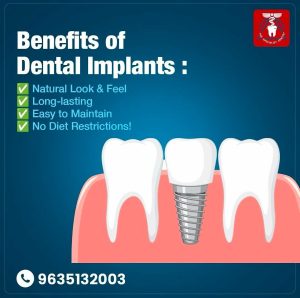
Dental implants not only replace missing teeth but also stimulate bone growth.
Because implants act like natural tooth roots, they prevent further bone loss and preserve jaw structure.
4. Zygomatic Implants (For Severe Bone Loss)
In cases of extreme bone loss, zygomatic implants anchor into the cheekbone instead of the jawbone.
This advanced solution avoids the need for extensive bone grafting.
5. Periodontal Treatment
When bone loss is caused by gum disease, deep cleaning and surgical periodontal therapy are required to stop further damage.
Success Rate of Jaw Bone Loss Treatments
One of the most reassuring facts is that modern jaw bone treatments have a high success rate.
Success rates include:
-
Bone grafting: 90–95% success
-
Guided bone regeneration: Excellent long-term stability
-
Dental implants: Over 95% success when bone is adequate
-
Zygomatic implants: High success even in severe cases
Therefore, with expert care and proper planning, long-term results are highly predictable.
Recovery and Aftercare
Recovery depends on the treatment type. However, most patients heal smoothly with proper care.
Aftercare tips:
-
Maintain excellent oral hygiene
-
Follow medication instructions
-
Avoid smoking
-
Attend follow-up visits
Gradually, bone strength improves, and oral function is restored.
Preventing Further Jaw Bone Loss
Prevention is always better than treatment.
Simple preventive steps include:
-
Regular dental check-ups
-
Early replacement of missing teeth
-
Timely gum disease treatment
-
Proper denture maintenance
These habits help preserve bone health for years to come.

Why Choose The Specialist Dentist?
At The Specialist Dentist, advanced diagnostics and modern treatment protocols are used to manage jaw bone loss effectively. Every treatment plan is customized for long-term success and patient comfort.
📍 Location: Udayachal, KNC Road, Gupta Colony, Barasat – 700124
📞 Call: 9635132003
🌐 Website: www.thespecialistdentist.in