

Losing an eye due to injury, disease, or a congenital condition can be life-changing. While modern medicine cannot always restore vision, artificial eyes—also called ocular prosthetics—offer an effective solution to restore appearance, support facial structure, and improve self-confidence.
At The Specialist Dentist, located in Udayachal, KNC Road, Gupta Colony, Barasat, we guide patients through the entire process of choosing, fitting, and caring for artificial eyes. In this article, we explain what artificial eyes are, who needs them, and how they can dramatically enhance quality of life.
What Are Artificial Eyes?
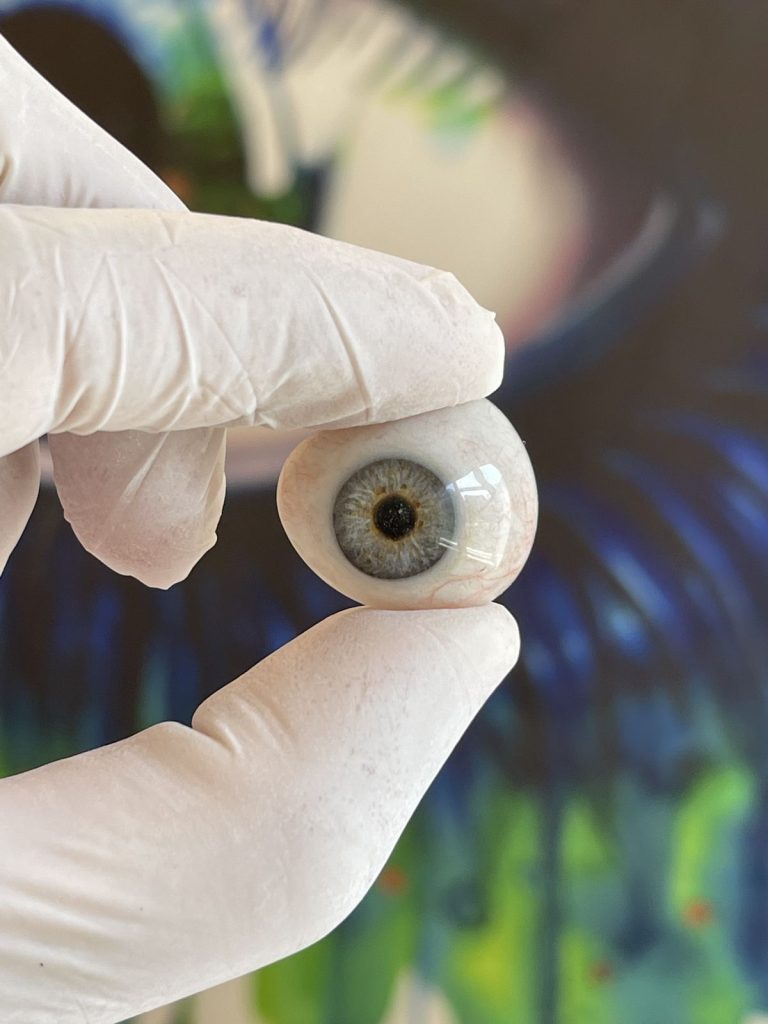
Artificial eyes are custom-made prosthetic devices designed to replace a missing natural eye. Unlike natural eyes, they do not restore vision. However, they play a critical role in:
- Restoring the natural appearance of the eye
- Supporting eyelids and surrounding facial muscles
- Preventing shrinkage or deformity of the eye socket
- Enhancing confidence and social comfort
In short, artificial eyes provide both cosmetic and structural benefits, making them an essential solution for people who have lost an eye.uctural.
Types of Artificial Eyes
Depending on individual needs, there are several types of ocular prosthetics:
1. Stock Prosthetic Eyes
- Pre-manufactured in standard sizes and colors
- Provide a quick solution, often temporary
- May not perfectly match the natural eye
2. Custom-Made Prosthetic Eyes
- Tailored to fit the patient’s socket precisely
- Painted to match natural eye color and features
- Offer better comfort, aesthetics, and movement
- Considered the most reliable long-term option
3. Implant-Supported Prosthetic Eyes
- Involves surgical placement of an orbital implant
- Allows better alignment and subtle movement
- Often combined with a custom prosthetic shell for optimal results
By understanding these options, patients can make informed decisions that balance comfort, aesthetics, and functionality.
Benefits of Artificial Eyes
Artificial eyes offer numerous advantages beyond restoring appearance:
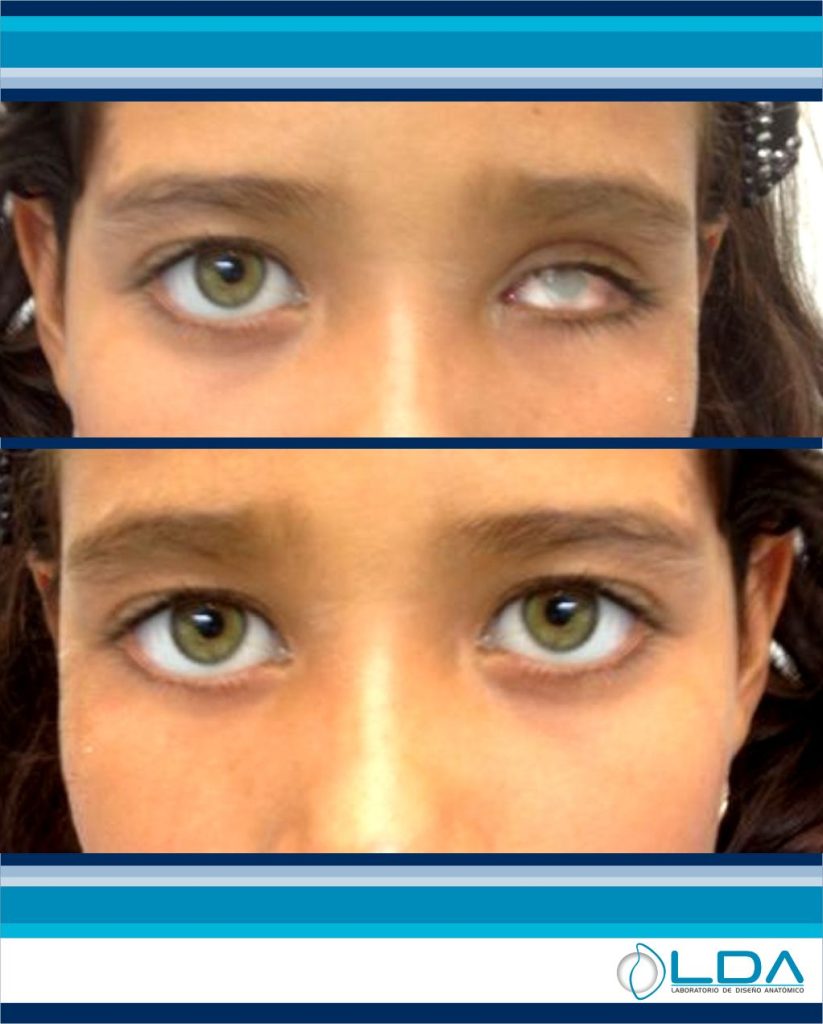
- Aesthetic Restoration: Replace the missing eye and improve facial symmetry
- Support for Eyelids and Socket: Prevent collapse or deformity of surrounding tissues
- Psychological Well-Being: Increase confidence and reduce self-consciousness
- Low Maintenance: With proper care, prosthetics last for several years
- Non-Invasive Option: Provides structural support without complicated surgeries (unless implant-supported)
Clearly, artificial eyes serve both cosmetic and functional purposes, helping patients feel whole again.
Who Needs an Artificial Eye?
Artificial eyes are recommended for individuals who have lost an eye due to:
- Trauma or accidents
- Severe infections
- Eye cancer
- Congenital absence (born without an eye)
- Surgical removal (enucleation or evisceration)
By addressing both physical and psychological needs, prosthetic eyes help patients regain normalcy in daily life.
How Are Artificial Eyes Made?
The process of creating a prosthetic eye involves several careful steps:
- Initial Assessment: The ocularist or prosthodontist evaluates the eye socket and surrounding tissues.
- Impression Taking: A mold of the socket ensures a comfortable, precise fit.
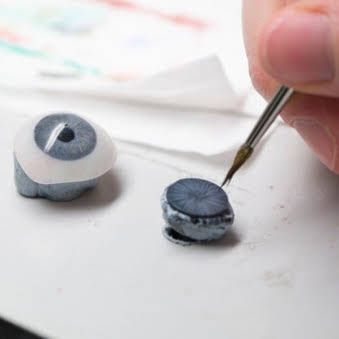
- Sculpting and Coloring: The prosthetic is shaped and hand-painted to match the natural eye.
- Fitting and Adjustment: The prosthetic is placed in the socket and adjusted for movement and comfort.
- Follow-Up Care: Regular check-ups ensure the prosthetic remains properly aligned and hygienic.
Thanks to these steps, patients receive a prosthetic that looks natural and fits comfortably.
Caring for Your Artificial Eye
Proper care prevents infections and prolongs the life of your prosthetic:
- Clean daily using solutions recommended by your ocularist
- Remove and rinse before sleeping if advised
- Avoid touching the prosthetic with unwashed hands
- Schedule regular follow-ups for adjustments and professional cleaning
- Monitor for irritation, redness, or unusual discharge
By following these simple steps, patients can maintain both comfort and hygiene.
Myths About Artificial Eyes
Myth 1: Artificial Eyes Restore Vision
Fact: Prosthetics restore appearance and support facial structure—they do not provide vision.
Myth 2: Prosthetics Are Uncomfortable
Fact: Custom-made artificial eyes are designed for comfort, allowing patients to wear them throughout the day.
Myth 3: Maintenance Is Complicated
Fact: Daily cleaning and periodic check-ups are simple yet essential. Most patients find care routines easy to follow.
By dispelling these myths, patients can feel more confident about choosing a prosthetic eye.
Call to Action:
Regain confidence and restore your natural appearance with expert prosthetic care. Book an appointment with The Specialist Dentist in Barasat today for a consultation and personalized guidance on artificial eyes.
📍 Location: Udayachal, KNC Road, Gupta Colony, Barasat – 700124
📞 Call us: 9635132003
🌐 Website: www.thespecialistdentist.in