

Your Mouth Is Trying to Warn You: 12 Signs You Should Never Ignore
Introduction
Your mouth can tell you a lot about your oral health. Oral health warning signs such as bleeding gums, persistent tooth pain, mouth sores, or unusual swelling may seem minor at first. However, these symptoms can sometimes indicate a dental problem that needs professional attention.
Many people wait until dental pain becomes severe before visiting a dentist. Unfortunately, some dental conditions can develop quietly before causing significant discomfort. Therefore, recognizing changes in your teeth, gums, tongue, and mouth can help you seek care at the right time.
For example, occasional sensitivity may have a simple explanation. On the other hand, persistent sensitivity could be associated with tooth decay, gum recession, enamel damage, or another dental condition.
Moreover, oral health is not only about having clean and attractive teeth. Healthy gums, teeth, tongue, jaw, and surrounding tissues all contribute to proper oral function and overall well-being.
This guide covers 12 oral health warning signs you should never ignore, why they may happen, and when professional dental care becomes important.
What Are Oral Health Warning Signs?
Oral health warning signs are noticeable changes in your mouth that may indicate an underlying dental or oral condition.
Some symptoms are temporary and may not indicate a serious problem. However, symptoms that persist, worsen, return frequently, or occur alongside other changes deserve professional evaluation.
These warning signs can involve:
- Teeth
- Gums
- Tongue
- Inner cheeks
- Lips
- Jaw
- Salivary glands
- Other tissues inside the mouth
Therefore, paying attention to changes in your mouth can help you identify problems earlier.
12 Oral Health Warning Signs You Should Never Ignore
1. Gums That Bleed Regularly
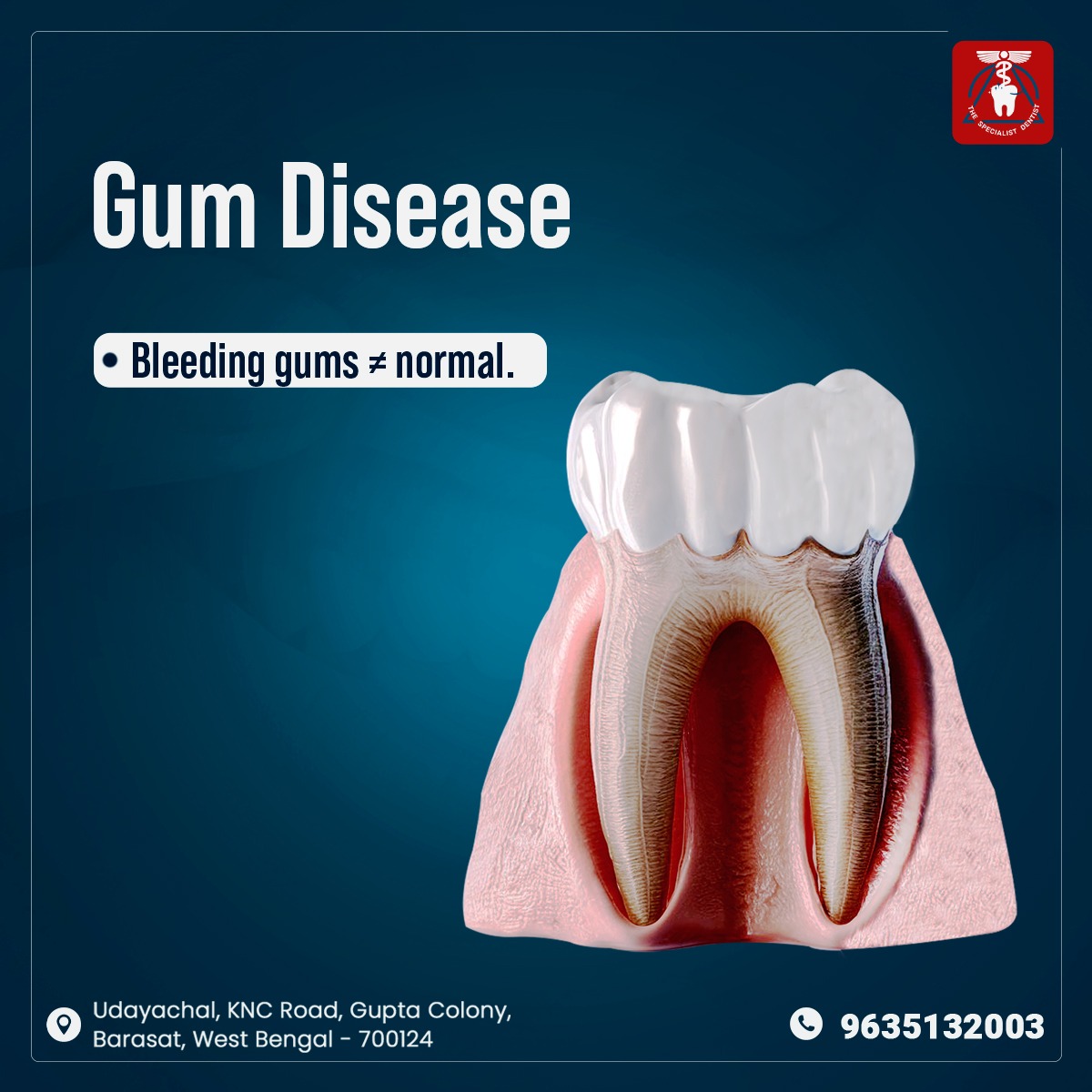
Seeing a small amount of blood while brushing may seem harmless. However, regular gum bleeding is not something you should simply accept as normal.
Bleeding gums can be associated with plaque buildup and gum inflammation. If gum inflammation progresses, it can develop into more advanced periodontal disease.
Other symptoms may include:
- Red or swollen gums
- Gum tenderness
- Persistent bad breath
- Gum recession
- Changes in how your teeth fit together
Moreover, gum disease may not always cause significant pain in its early stages.
Therefore, regular bleeding should be assessed by a dentist, particularly if it continues over time.
2. Persistent Tooth Pain
Tooth pain is one of the clearest signals that something may be wrong.
However, the severity of pain does not always indicate the severity of the underlying problem.
Persistent tooth pain may be associated with:
- Tooth decay
- Dental infection
- Cracked teeth
- Gum problems
- Tooth sensitivity
- Problems involving the inner tooth tissue
Sometimes, pain may come and go. Nevertheless, temporary relief does not necessarily mean that the underlying problem has disappeared.
In fact, some dental conditions can progress even when pain temporarily decreases.
Therefore, persistent or recurring tooth pain should receive professional attention.
3. Sudden or Increasing Tooth Sensitivity
Do you experience a sharp sensation when consuming something hot, cold, sweet, or acidic?
Occasional sensitivity can occur for several reasons. However, new or worsening sensitivity should not automatically be dismissed.
Possible causes include:
- Enamel wear
- Tooth decay
- Gum recession
- Cracked teeth
- Exposed tooth roots
- Certain dental conditions
Your dentist can examine the affected teeth and determine the underlying cause.
Furthermore, treating the cause early may help prevent the problem from progressing.
4. Swollen or Tender Gums
Healthy gums generally appear firm and should not remain swollen or painful.
Persistent swelling may indicate gum inflammation or another oral condition.
You may also notice:
- Redness
- Bleeding
- Tenderness
- Bad breath
- Changes around the teeth
Consequently, swollen gums should not be considered merely a cosmetic concern.
Professional dental examination can help determine whether plaque, tartar, gum disease, infection, or another issue is responsible.
5. Loose or Moving Teeth
Adult teeth are designed to remain firmly supported.
Therefore, if a permanent tooth begins to feel loose, it deserves prompt dental evaluation.
Loose teeth can sometimes be associated with advanced gum disease. However, trauma, infection, or other conditions may also affect tooth stability.
In addition, delaying treatment can sometimes make it more difficult to preserve the affected tooth.
If you notice movement in an adult tooth, schedule a dental appointment rather than waiting for the problem to become painful.

6. A Mouth Ulcer That Does Not Heal
Mouth ulcers are common, and many resolve within a short period.
However, a sore that does not heal, repeatedly returns in the same location, becomes larger, or looks unusual should be professionally evaluated.
Pay particular attention to sores accompanied by:
- Persistent pain
- Bleeding
- A hard or thickened area
- Unusual color changes
- Difficulty eating or swallowing
- A persistent lump
Most mouth ulcers are not serious. Nevertheless, persistent or unusual lesions should not be ignored.
A dentist can examine the area and determine whether further investigation is necessary.
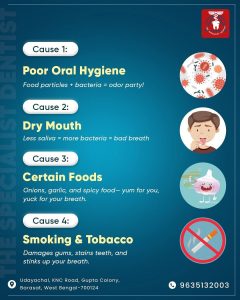
7. Persistent Bad Breath or Bad Taste
Everyone experiences temporary bad breath. However, persistent odor can be one of the important oral health warning signs.
Long-lasting bad breath may be associated with:
- Gum disease
- Plaque and tartar
- Cavities
- Tongue bacteria
- Dry mouth
- Oral infections
- Certain non-dental conditions
Similarly, a persistent unpleasant taste can sometimes indicate an underlying oral problem.
Therefore, repeatedly masking bad breath without identifying its cause may delay appropriate treatment.
A dental examination can help determine where the problem originates.
8. Changes in the Color or Appearance of Your Mouth
Your mouth contains many tissues, and changes in their appearance can have several causes.
You may notice:
- White patches
- Red patches
- Dark or unusual areas
- Persistent discoloration
- Changes in the texture of oral tissue
Some changes may have harmless explanations. However, persistent or unexplained changes should be assessed professionally.
For example, certain patches may be related to irritation, infection, or other oral conditions.
Therefore, if you notice a change that does not disappear, schedule an examination rather than trying to diagnose it yourself.

9. Swelling or a Lump in the Mouth or Jaw
An unexplained lump or swelling can occur for many reasons.
It may be related to a dental infection, an impacted tooth, a salivary gland problem, or another condition.
However, a persistent lump should always be evaluated.
Pay particular attention if the swelling:
- Continues to grow
- Remains for an extended period
- Is painful
- Affects eating or speaking
- Occurs alongside fever
- Is associated with difficulty swallowing
In some situations, swelling can indicate an infection that requires prompt treatment.
Therefore, professional assessment is important.
10. Difficulty Chewing or Biting
Your teeth should allow you to chew food comfortably.
If chewing suddenly becomes painful or difficult, there may be an underlying dental problem.
Possible causes include:
- Tooth decay
- Cracked teeth
- Dental infection
- Gum disease
- Missing teeth
- Jaw joint problems
- Damaged dental restorations
Furthermore, changing the way you chew to avoid a painful area may place additional strain on other teeth and jaw structures.
A dentist can evaluate your bite, teeth, gums, and jaw to identify the cause.
11. Jaw Pain, Clicking, or Difficulty Opening Your Mouth
Jaw symptoms can sometimes involve the temporomandibular joint, commonly called the TMJ.
You may experience:
- Jaw pain
- Clicking or popping
- Difficulty opening your mouth
- Jaw stiffness
- Pain while chewing
- Headaches associated with jaw discomfort
Not every jaw click indicates a serious condition. However, clicking accompanied by pain, restricted movement, or functional problems deserves professional evaluation.
Depending on the findings, your dentist may recommend appropriate dental care or further assessment.
12. Persistent Dry Mouth
Saliva is essential for maintaining a healthy mouth.
It helps protect teeth, supports swallowing, and contributes to the natural cleaning process inside the mouth.
Persistent dry mouth can increase the risk of:
- Tooth decay
- Bad breath
- Difficulty swallowing
- Mouth discomfort
- Oral infections
Dry mouth may have several causes, including certain medications and medical conditions.
Therefore, if you frequently feel that your mouth is unusually dry, discuss it with your dentist.
Your dental professional can assess your oral health and determine whether further medical evaluation may be appropriate.
Common Causes Behind Oral Health Symptoms
The same symptom can have different causes.
For example, tooth sensitivity may result from enamel wear, gum recession, decay, or a cracked tooth.
Similarly, bleeding gums can be associated with plaque buildup, gum inflammation, or more advanced periodontal disease.
Common underlying causes include:
- Plaque accumulation
- Tartar buildup
- Tooth decay
- Gum disease
- Dental infections
- Damaged teeth
- Cracked teeth
- Missing teeth
- Poorly fitting dental restorations
- Dry mouth
- Oral irritation
- Certain medical conditions
Because symptoms can overlap, professional diagnosis is more reliable than self-diagnosis.
Risk Factors for Dental Problems
Certain factors may increase the risk of oral health problems.
These include:
- Irregular dental checkups
- Inadequate oral hygiene
- Untreated cavities
- Existing gum disease
- Tobacco use
- Dry mouth
- Frequent sugary food and drink consumption
- Crowded teeth
- Certain medications
- Previous dental trauma
- Poorly maintained dental restorations
Moreover, individual risk varies from person to person.
Therefore, your dentist may recommend a checkup schedule based on your specific oral health needs.

Why Early Diagnosis Matters
One of the biggest advantages of regular dental care is finding problems before they become more complicated.
For example, early tooth decay may be treated more conservatively than advanced decay.
Similarly, early gum inflammation may be easier to manage before it progresses to more severe periodontal disease.
Early diagnosis can also help:
- Reduce the risk of complications
- Protect natural teeth
- Preserve gum health
- Identify infections sooner
- Improve treatment planning
- Support long-term oral health
Consequently, waiting for severe pain is not the best way to manage dental health.
Regular dental examinations are an important part of preventive care.
Professional Dental Treatment Options
Treatment depends on the specific diagnosis.
Your dentist may recommend one or more of the following treatments.
Professional Dental Cleaning
Professional cleaning can remove plaque and tartar buildup that cannot be adequately removed through routine brushing.
It is particularly important for patients who are prone to tartar accumulation or gum problems.
Fillings for Dental Cavities
When tooth decay is detected, a dental filling may be recommended depending on the extent of the damage.
Treating decay early can help prevent further progression.
Root Canal Treatment
If decay or infection reaches the inner part of a tooth, root canal treatment may be necessary.
The procedure aims to remove infected tissue, clean the inside of the tooth, and preserve the natural tooth when possible.
Gum Disease Treatment
Depending on the severity of gum disease, treatment may include professional cleaning and periodontal procedures.
Your dentist will determine the appropriate treatment after evaluating your gums.
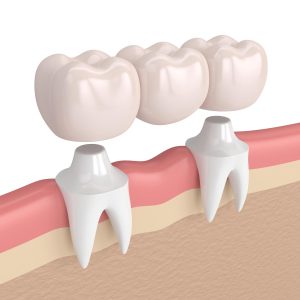
Dental Crowns
A dental crown may be recommended when a tooth is significantly weakened or damaged.
It can help restore the tooth’s structure and function when clinically appropriate.
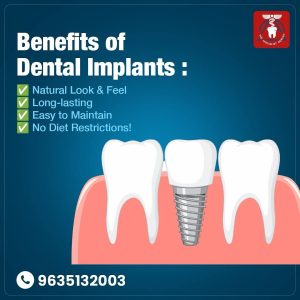
Dental Implants and Tooth Replacement
If a tooth cannot be preserved or has already been lost, your dentist may discuss suitable tooth replacement options.
These can include dental implants, bridges, or dentures depending on your oral condition and treatment needs.
Oral Lesion Evaluation
Persistent ulcers, patches, lumps, or unexplained changes may require a detailed examination.
Depending on the findings, your dentist may recommend additional testing or referral to an appropriate specialist.
Benefits of Professional Dental Treatment
Professional dental care provides more than temporary relief.
Early Problem Detection
Regular examinations can identify dental problems before they become advanced.
Personalized Treatment
Your dentist can create a treatment plan based on your specific oral condition.
Better Oral Function
Treating damaged teeth, gum disease, and bite-related problems can help maintain comfortable chewing and speaking.
Protection of Natural Teeth
Early treatment can sometimes help preserve natural teeth that might otherwise become severely damaged.
Improved Confidence
Addressing persistent dental problems can also improve comfort and confidence in everyday social situations.
Moreover, professional care provides a structured approach to maintaining your oral health over time.
Prevention Tips for Better Oral Health
Preventive dental care can reduce the risk of many common oral health problems.
Important steps include:
- Schedule regular dental examinations.
- Follow your dentist’s recommended cleaning schedule.
- Have cavities and damaged teeth treated promptly.
- Do not ignore recurring gum bleeding.
- Inform your dentist about persistent sensitivity or dry mouth.
- Follow professional oral hygiene recommendations.
- Maintain dental restorations as advised.
- Seek professional evaluation for persistent mouth sores or unusual changes.
Furthermore, regular dental visits allow your dentist to monitor changes over time.
Possible Complications If Oral Health Warning Signs Are Ignored
Ignoring symptoms does not necessarily make them disappear.
In some cases, a small dental problem can become more complex when treatment is delayed.
For example, untreated tooth decay may progress deeper into the tooth.
Likewise, untreated gum disease can damage the tissues supporting your teeth.
An untreated dental infection may also become more serious and require urgent care.
Therefore, early professional evaluation is usually a safer approach than waiting for symptoms to become severe.
When Should You Visit a Dentist?
You should schedule a dental appointment if you notice:
- Persistent tooth pain
- Regular gum bleeding
- Swollen gums
- Loose adult teeth
- Persistent bad breath
- A mouth ulcer that does not heal
- An unexplained lump or swelling
- Persistent sensitivity
- Difficulty chewing
- Jaw pain or restricted jaw movement
- Persistent dry mouth
- Unusual changes in the color or texture of oral tissues
Furthermore, severe dental pain, significant facial swelling, fever, or difficulty swallowing or breathing requires prompt professional attention.
Myths vs Facts About Oral Health
Myth 1: Bleeding gums are normal.
Fact: Occasional minor bleeding should not be considered a normal feature of healthy gums. Regular bleeding can be associated with gum inflammation or disease and should be evaluated.
Myth 2: No pain means no dental problem.
Fact: Some dental conditions can develop with little or no pain, particularly during their early stages.
Myth 3: Dental visits are only necessary when something hurts.
Fact: Preventive dental checkups can help identify problems before they cause significant symptoms.
Myth 4: Bad breath is always caused by food.
Fact: Persistent bad breath can be associated with gum disease, cavities, dry mouth, infections, and other conditions.
Myth 5: A loose adult tooth will become stable again on its own.
Fact: A loose permanent tooth requires professional evaluation to identify the underlying cause.

Long-Term Oral Health Importance
Your mouth deserves regular attention just like the rest of your body.
Healthy teeth and gums support chewing, speaking, appearance, and everyday comfort. However, maintaining oral health requires more than responding to pain when it appears.
Regular professional checkups allow dentists to monitor your teeth and gums and identify changes over time.
Moreover, preventive care can reduce the likelihood of advanced dental problems and help you maintain your natural teeth for longer.
In addition, discussing unusual symptoms early can make diagnosis and treatment more straightforward.
Your mouth often gives you clues when something needs attention. Learning to recognize these oral health warning signs can help you take action before a minor concern becomes a major dental problem.
Conclusion
Your mouth can give you important clues about your health. Oral health warning signs such as bleeding gums, persistent pain, sensitivity, swelling, mouth ulcers, loose teeth, bad breath, or unusual changes should not be ignored when they persist or worsen.
However, not every symptom means that you have a serious condition. The important step is to have persistent or unexplained changes evaluated by a qualified dental professional.
Therefore, do not wait until severe pain forces you to seek treatment. Regular dental checkups, professional cleaning, timely treatment, and personalized preventive care can help protect your teeth and gums for the long term.
If your mouth is showing oral health warning signs, listen to it. Professional dental evaluation can help identify the cause and guide you toward the right treatment.
Book Your Dental Consultation Today
Don’t ignore changes in your mouth.
If you are experiencing persistent pain, bleeding gums, sensitivity, swelling, bad breath, mouth ulcers, loose teeth, or any other concerning oral symptoms, schedule a professional dental examination.
Book your dental appointment today and take a proactive step toward better oral health.
Visit The Specialist Dentist for a comprehensive consultation, diagnosis, and personalized dental care.
Schedule your regular dental checkup. Contact the clinic today for professional dental guidance and treatment.