

Dental Implants: 15 Things Your Dentist Wishes You Knew Before Getting One
Introduction
Losing a tooth can affect much more than your smile. It can change how you chew, speak, and feel about your appearance. If you are considering dental implants, you may already know that they are a popular option for replacing missing teeth. However, there is much more to implant treatment than simply placing a replacement tooth.
A dental implant involves careful planning, professional evaluation, and a healing period. Therefore, understanding the treatment before you begin can help you make a more informed decision.
Moreover, dental implants are not automatically suitable for every patient. Your jawbone, gums, overall oral health, medical history, and treatment goals all play a role in determining whether implants are appropriate.
From the consultation and imaging to implant placement, healing, and the final restoration, every stage matters.
In this comprehensive guide, we explain 15 things your dentist wants you to know before getting dental implants, including the benefits, limitations, risks, treatment process, recovery, and long-term care.
What Are Dental Implants?
Dental implants are artificial tooth roots designed to support replacement teeth.
An implant is typically placed into the jawbone. After the implant has healed and integrated with the surrounding bone, a dental restoration such as a crown can be attached to restore the visible part of the tooth.
Depending on your needs, implants may be used to replace:
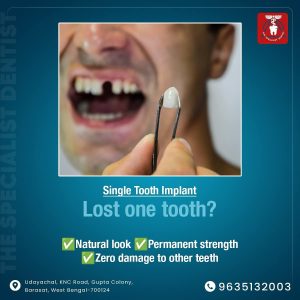
- One missing tooth
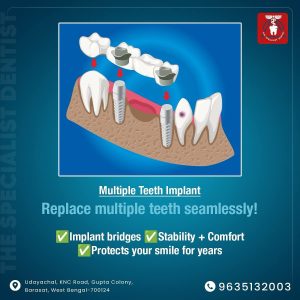
- Several missing teeth
- Multiple teeth in different areas
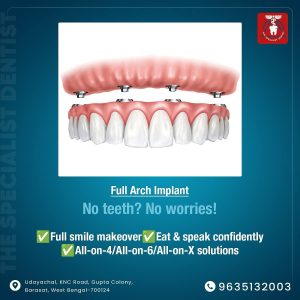
- An entire arch of missing teeth
Dental implants can also support certain types of bridges or dentures.
However, implant treatment is not a one-size-fits-all procedure. Your dentist must assess your oral health and bone condition before recommending the appropriate treatment.

15 Things Your Dentist Wishes You Knew Before Getting Dental Implants
1. Dental Implants Are a Process, Not a Single Appointment
One of the most important things to understand is that dental implant treatment usually involves multiple stages.
The process may include:
- Initial consultation
- Dental examination
- Diagnostic imaging
- Treatment planning
- Implant placement
- Healing and integration
- Abutment placement when appropriate
- Final crown or other restoration
Therefore, your treatment timeline depends on your individual situation.
Some patients may complete treatment relatively quickly, while others require additional procedures or a longer healing period.
2. You Need a Thorough Dental Evaluation First
Before placing an implant, your dentist needs to understand the condition of your teeth, gums, jawbone, and overall oral health.
The evaluation may include:
- Clinical examination
- Dental X-rays
- Three-dimensional imaging when required
- Gum assessment
- Evaluation of existing teeth
- Review of medical and dental history
Furthermore, your dentist will discuss your expectations and treatment goals.
This planning stage is essential because implant placement must be carefully positioned to support the final restoration.
3. Not Everyone Is an Immediate Candidate
Dental implants can be an excellent tooth replacement option. However, suitability depends on several factors.
Your dentist may evaluate:
- Jawbone volume and quality
- Gum health
- Oral hygiene
- Existing dental infections
- Medical history
- Tobacco use
- Healing ability
- The location of the missing tooth
If you have active gum disease or an untreated infection, your dentist may recommend treating that condition before proceeding.
Similarly, insufficient bone may require additional treatment before implant placement.
Therefore, being told that you need preparation does not mean you cannot receive an implant. It simply means your mouth may need to be prepared first.
4. Bone Health Matters
Dental implants rely on the jawbone for support.
After a tooth is lost, the bone around the missing tooth can gradually change. In some patients, there may not be enough bone available for immediate implant placement.
In such cases, your dentist may discuss procedures designed to improve the available bone.
One example is bone grafting, where additional bone material is used to support the area.
However, not every patient requires bone grafting.
Your dentist will determine whether additional procedures are necessary based on imaging and clinical evaluation.
5. Healthy Gums Are Important
The success of dental implant treatment depends on more than the implant itself.
Your gums and surrounding tissues also need to be healthy.
Active gum disease can affect the tissues supporting teeth and implants. Therefore, your dentist may recommend periodontal treatment before implant placement.
Furthermore, maintaining healthy gums remains important after treatment.
Regular professional examinations can help identify inflammation or other changes around an implant early.
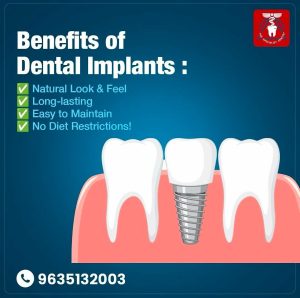
6. Dental Implants Can Look and Feel Natural
One reason patients choose implants is their ability to provide a natural-looking replacement.
The visible restoration can be designed to match the surrounding teeth in shape, size, and appearance.
Moreover, because the implant is anchored in the jaw, it can provide stability that differs from some removable tooth replacement options.
However, the final appearance depends on several factors, including implant position, gum health, bone structure, restoration design, and individual anatomy.
Therefore, realistic expectations are important.
7. The Healing Period Is an Important Part of Treatment
After an implant is placed, the surrounding bone needs time to heal.
This process is commonly referred to as osseointegration. In simple terms, the implant gradually becomes integrated with the supporting bone.
The healing period varies between patients.
Factors such as bone quality, implant location, general health, and whether additional procedures were required can affect the timeline.
Therefore, your dentist may recommend waiting before placing the final restoration.
Following your dental professional’s instructions during this period is essential.
8. You May Need Additional Procedures
Not every implant case follows exactly the same treatment plan.
Depending on your oral condition, your dentist may recommend additional procedures such as:
- Tooth extraction
- Bone grafting
- Gum treatment
- Treatment of dental infections
- Temporary restorations
- Sinus-related bone procedures in selected cases
For example, if a damaged tooth needs to be removed before implant placement, extraction may become part of the treatment plan.
Consequently, the overall timeline and cost can vary from patient to patient.
9. Dental Implants Are Not the Same as Natural Teeth
Dental implants can closely replicate the function of a natural tooth. However, an implant is not biologically identical to a natural tooth.
Natural teeth have structures and tissues that implants do not.
Therefore, implants still require professional monitoring and good oral care.
Furthermore, the gums and bone surrounding an implant can develop problems if plaque accumulates.
This is why regular dental checkups remain important even after successful implant treatment.
10. Implants Require Long-Term Maintenance
Getting an implant does not mean you can forget about dental care.
Long-term maintenance may include:
- Regular dental examinations
- Professional cleaning when required
- Monitoring of the implant and surrounding tissues
- Maintaining good oral hygiene
- Addressing gum inflammation promptly
Moreover, your dentist may recommend periodic imaging depending on your individual circumstances.
The goal is to identify potential problems early and protect the implant over the long term.
11. Dental Implants Have Potential Risks
Like any surgical dental procedure, implant treatment has potential risks.
Possible complications may include:
- Infection
- Bleeding
- Swelling
- Pain or discomfort
- Implant failure
- Nerve-related problems in certain locations
- Damage to surrounding structures
- Bone loss around the implant
- Problems with the final restoration
However, complications are not inevitable.
Careful treatment planning, appropriate patient selection, professional surgical technique, and proper follow-up can help reduce risks.
Your dentist should explain the potential risks relevant to your specific case before treatment.
12. Smoking and Tobacco Use Can Affect Treatment
Tobacco use is an important factor when planning dental implant treatment.
Smoking can affect oral tissues and healing. It is also associated with an increased risk of gum disease and complications around dental implants.
Therefore, your dentist may discuss tobacco use as part of your treatment assessment.
If you use tobacco, be open with your dental professional. Accurate medical and lifestyle information helps your dentist create a safer and more appropriate treatment plan.
13. Dental Implants Are Not Always the Cheapest Tooth Replacement Option
Cost is an important consideration when choosing a tooth replacement.
Dental implant treatment may involve several components, including:
- Consultation
- Diagnostic imaging
- Implant placement
- Abutment
- Crown or other restoration
- Additional procedures if needed
- Follow-up care
Therefore, the total cost can vary significantly between patients.
For example, replacing a single tooth may involve a different treatment plan from replacing several teeth or an entire arch.
Instead of choosing treatment based only on price, discuss the complete treatment plan, expected outcomes, materials, and long-term maintenance with your dentist.
14. Dental Implants Can Help Restore Function
Missing teeth can make certain foods difficult to chew.
Depending on the location and number of missing teeth, tooth loss may also affect speech or cause changes in how the remaining teeth function.
Dental implants can provide a stable foundation for replacement teeth.
As a result, they may help restore chewing function and improve oral comfort.
However, your outcome depends on factors such as implant position, bone support, bite, restoration design, and overall oral health.
15. Your Expectations Matter
One of the most important parts of implant treatment is having realistic expectations.
Dental implants can provide excellent results for appropriately selected patients. However, they are not a guaranteed solution for every situation.
Your dentist should explain:
- What the treatment can achieve
- What it cannot achieve
- How long treatment may take
- Potential risks
- Expected healing
- Maintenance requirements
- Alternative treatment options
Furthermore, you should feel comfortable asking questions before agreeing to treatment.
A well-informed patient is better prepared for the treatment journey.
Who Is a Good Candidate for Dental Implants?
A suitable candidate generally needs adequate bone support or the possibility of creating adequate support through additional treatment.
Healthy gums are also important.
Your dentist may consider implants if you:
- Have one or more missing teeth
- Have adequate bone support
- Have healthy or treatable gums
- Are able to maintain good oral hygiene
- Have realistic expectations
- Are medically suitable for the procedure
However, every patient is different.
Therefore, only a dental examination can determine whether implants are appropriate for you.
Common Reasons People Need Dental Implants
Tooth loss can occur for many reasons.
Common causes include:
- Advanced tooth decay
- Severe gum disease
- Dental trauma
- Cracked or fractured teeth
- Failed previous dental treatment
- Congenital absence of teeth
- Other dental conditions
When a tooth cannot be preserved, an implant may be considered as part of a comprehensive tooth replacement plan.
Why Early Tooth Replacement Matters
When a tooth is lost, the surrounding oral structures can change over time.
The jawbone may gradually lose volume in the area where the tooth once existed.
In addition, nearby teeth may shift into the empty space.
These changes can affect chewing function, bite, and future treatment planning.
Therefore, discussing tooth replacement with your dentist sooner rather than later may be beneficial.
However, the best treatment timeline depends on your individual clinical situation.
Dental Implant Treatment Process
Step 1: Consultation
Your dentist evaluates your oral health, medical history, and treatment goals.
Step 2: Diagnostic Imaging
Imaging helps assess the bone and surrounding structures and supports treatment planning.
Step 3: Preparation
If necessary, your dentist may first treat gum disease, remove a damaged tooth, or address bone deficiencies.
Step 4: Implant Placement
The implant is surgically positioned in the planned area.
Step 5: Healing
The implant is allowed to integrate with the surrounding bone.
Step 6: Restoration
Once appropriate healing has occurred, the final crown, bridge, or other restoration can be attached.
Step 7: Follow-Up
Your dentist monitors the implant and surrounding tissues and provides long-term maintenance recommendations.
Benefits of Dental Implants
Dental implants can offer several benefits for suitable patients.
Natural-Looking Results
The final restoration can be designed to resemble natural teeth.
Improved Stability
Unlike some removable options, implants provide a fixed foundation for replacement teeth.
Restored Chewing Function
Implant-supported teeth can help restore chewing function.
Support for Certain Dental Restorations
Implants can support crowns, bridges, and some denture solutions.
Preservation of Oral Function
Replacing missing teeth may help maintain a more balanced bite and chewing pattern.
However, the benefits depend on individual circumstances and treatment success.
Risks and Possible Complications
Although dental implants have a high level of predictability when appropriately planned, complications can occur.
Possible problems include:
- Implant failure
- Infection
- Inflammation around the implant
- Bone loss
- Restoration damage
- Nerve injury
- Sinus-related complications in certain upper-jaw cases
Therefore, selecting an experienced dental professional and attending follow-up appointments are important parts of treatment.
If you experience persistent pain, swelling, unusual movement, bleeding, or other concerning symptoms after implant treatment, contact your dental clinic promptly.
Factors That Can Affect Implant Success
Several factors may influence implant outcomes.
These include:
- Bone quality
- Gum health
- Oral hygiene
- Tobacco use
- Medical conditions
- Certain medications
- Implant location
- Bite forces
- Treatment planning
- Long-term maintenance
Moreover, teeth grinding or excessive biting forces may place additional stress on implant restorations.
Your dentist will consider these factors when planning your treatment.
Dental Implant Care and Maintenance
Long-term implant care is essential.
Your dentist may recommend:
- Regular dental examinations
- Professional cleaning
- Monitoring of gum health
- Examination of the implant and restoration
- Periodic imaging when appropriate
- Personalized oral hygiene guidance
In addition, tell your dentist if you notice changes around your implant.
For example, bleeding, swelling, discomfort, bad taste, or movement should not be ignored.
Early evaluation can help identify problems before they become more advanced.

Myths vs Facts About Dental Implants
Myth 1: Dental implants are completely maintenance-free.
Fact: Implants require regular professional monitoring and appropriate oral care.
Myth 2: Everyone who loses a tooth can immediately get an implant.
Fact: Implant suitability depends on bone, gum health, medical history, and other factors.
Myth 3: Dental implants last forever without any problems.
Fact: Implants can provide long-term tooth replacement, but their success depends on proper planning, maintenance, and individual factors.
Myth 4: Implants are exactly the same as natural teeth.
Fact: Implants can restore function and appearance, but their biological structure differs from natural teeth.
Myth 5: Dental implants are only for older adults.
Fact: Tooth loss can affect adults at different ages. Suitability depends on individual oral and medical factors rather than age alone.
Myth 6: Implant treatment is always completed in one day.
Fact: Some patients may have streamlined treatment options, but many implant cases involve several stages and a healing period.
Long-Term Oral Health Importance
Replacing a missing tooth is only one part of maintaining your oral health.
Even after receiving an implant, the surrounding teeth and gums need regular professional care.
Moreover, the health of the tissues around an implant can affect its long-term stability.
Regular dental examinations allow your dentist to monitor:
- Implant stability
- Gum health
- Bone levels
- Restoration condition
- Bite
- Oral hygiene
Furthermore, maintaining the health of your remaining natural teeth is equally important.
A comprehensive approach to oral health can help you protect both your implant and your natural teeth over time.
Conclusion
Dental implants can be an effective and long-term tooth replacement option for many appropriately selected patients. However, successful implant treatment involves much more than placing an artificial tooth.
Your dentist needs to evaluate your gums, jawbone, existing teeth, medical history, and treatment goals before creating a personalized plan.
Moreover, understanding the treatment timeline, healing process, possible risks, costs, maintenance requirements, and alternative options can help you make a confident and informed decision.
Remember that every patient is different. Therefore, what works for one person may not be the right treatment for another.
If you are considering dental implants, do not make your decision based only on advertisements or online information. A professional dental consultation is the best way to understand your individual needs and treatment options.

Book Your Dental Implant Consultation
Missing a tooth can affect your confidence, chewing ability, and long-term oral health.
If you are considering dental implants, schedule a consultation with a qualified dental professional for a complete examination and personalized treatment plan.
Book your dental appointment today. Discuss your tooth replacement options, understand the treatment process, and find out whether dental implants are suitable for you.
Visit The Specialist Dentist for professional dental implant consultation, diagnosis, treatment planning, and long-term oral care.
Schedule your consultation today and take the next step toward restoring your smile and oral function.
[dentist near me, dental clinic near barasat, dentist near me, dental clinic near barasat, dentist near me, dental clinic near barasat, dentist near me, dental clinic near barasat, dentist near me, dental clinic near barasat, dentist near me, dental clinic near barasat, dentist near me, dental clinic near barasat, dentist near me, dental clinic near barasat, dentist near me, dental clinic near barasat, dentist near me, dental clinic near barasat, dentist near me, dental clinic near barasat, dentist near me, dental clinic near barasat, dentist near me, dental clinic near barasat, dentist near me, dental clinic near barasat, dentist near me, dental clinic near barasat, dentist near me, dental clinic near barasat]