

Bad Breath That Won’t Go Away? 10 Hidden Causes Most People Never Suspect
Introduction
Have you ever brushed your teeth, used mouthwash, and still noticed an unpleasant smell from your mouth? Bad breath that won’t go away can be frustrating and embarrassing. More importantly, persistent bad breath may sometimes point to an underlying dental or medical problem that needs professional attention.
Bad breath, also called halitosis, is common. However, occasional morning breath is different from an odor that continues throughout the day or returns soon after cleaning your mouth.
In many cases, the cause starts inside the mouth. For example, plaque buildup, gum disease, cavities, or bacteria on the tongue can contribute to persistent odor. However, there are also less obvious causes that people may not immediately suspect.
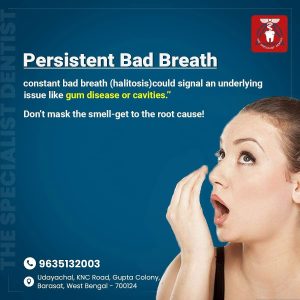
Moreover, trying to mask the smell without finding the underlying cause may only provide temporary relief. Therefore, identifying the reason behind persistent bad breath is an important part of maintaining good oral health.
This guide explains 10 hidden causes of bad breath that won’t go away, the symptoms to watch for, professional treatment options, and when you should schedule a dental appointment.
What Is Persistent Bad Breath?
Persistent bad breath refers to an unpleasant mouth odor that continues or repeatedly returns despite regular oral cleaning.
Everyone can experience temporary bad breath. Certain foods, dry mouth, or waking up after several hours of sleep can cause short-term odor. However, chronic bad breath may require professional evaluation.
The medical term for persistent bad breath is halitosis. It can originate from the mouth, throat, nose, or, less commonly, other parts of the body.
In most cases, oral causes are responsible. Therefore, a dental examination is often an important first step when bad breath does not improve.
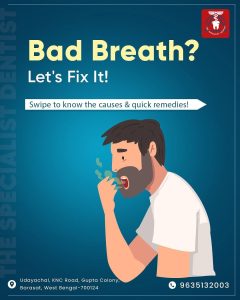
Common Symptoms of Bad Breath
The most obvious symptom is an unpleasant odor. However, you may notice other signs depending on the underlying cause.
Common symptoms include:
- A persistent unpleasant smell from the mouth
- A bad taste that does not disappear
- White or yellow coating on the tongue
- Bleeding gums
- Red, swollen, or tender gums
- Loose or sensitive teeth
- Dry mouth
- Increased plaque buildup
- Food getting trapped between teeth
- Recurrent dental infections
- Throat discomfort in some cases
Furthermore, some people may not realize they have bad breath because the nose can become accustomed to a familiar smell.
If someone you trust repeatedly mentions that your breath smells unpleasant, it may be worth arranging a professional dental examination.
10 Hidden Causes of Bad Breath That Won’t Go Away
Persistent bad breath is not always caused by poor brushing. In fact, several less obvious conditions can contribute to it.
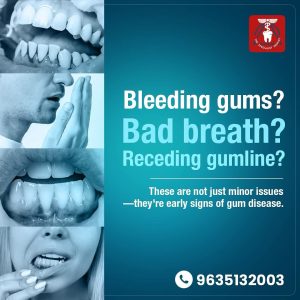
1. Gum Disease
One of the most common hidden causes of persistent bad breath is gum disease.
Plaque contains bacteria that can irritate the gums. If plaque is not removed effectively, it can harden into tartar. Over time, this can contribute to gingivitis and periodontitis.
These bacteria can produce unpleasant-smelling compounds. As gum disease progresses, pockets can develop between the gums and teeth, allowing bacteria and debris to accumulate.
You may also notice:
- Bleeding while brushing
- Swollen gums
- Gum tenderness
- Persistent bad taste
- Receding gums
- Loose teeth in advanced cases
Therefore, bad breath accompanied by bleeding or swollen gums should not be ignored.
A dentist can assess your gum health and recommend appropriate professional treatment.
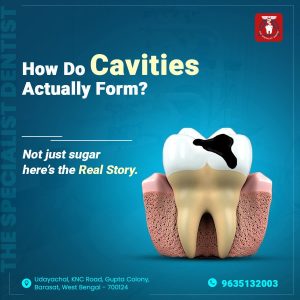
2. Hidden Cavities and Tooth Decay
A cavity is another possible source of persistent mouth odor.
When tooth decay progresses, bacteria can break down food particles and dental tissues. In some cases, decay can become difficult to notice, particularly when it develops between teeth or underneath existing dental restorations.
As a result, a person may continue brushing normally while an untreated cavity contributes to bad breath.
Furthermore, advanced tooth decay can lead to pain, sensitivity, infection, or an unpleasant taste.
Regular dental examinations can help identify cavities before they become more serious.
3. Bacteria on the Tongue
Your tongue has a textured surface containing tiny grooves and structures. Bacteria, dead cells, and food particles can accumulate in these areas.
Consequently, the tongue can become an important source of unpleasant odor.
A coated tongue does not necessarily mean that someone has poor oral hygiene. However, persistent coating combined with bad breath may indicate increased bacterial activity or another oral condition.
During a dental examination, your dentist can evaluate the tongue and the rest of your mouth to determine whether it may be contributing to the problem.
4. Dry Mouth
Saliva plays an important role in oral health. It helps wash away food particles and supports the natural cleaning process inside the mouth.
When saliva production decreases, bacteria and debris can accumulate more easily. Therefore, dry mouth can contribute significantly to persistent bad breath.
Dry mouth may be associated with:
- Certain medications
- Dehydration
- Mouth breathing
- Some medical conditions
- Salivary gland problems
- Certain treatments or therapies
If you regularly experience a dry or sticky feeling in your mouth along with persistent odor, speak with a dental professional.
Your dentist can assess the condition and determine whether further evaluation is needed.
5. Food Trapped Between Teeth
Sometimes, the problem is not the food you eat but food that remains trapped after eating.
Food particles can become lodged between teeth, around dental restorations, or near the gumline. Bacteria can then break down these particles and produce unpleasant odors.
This is especially possible when teeth are crowded or have spaces that regularly trap food.
If food frequently gets stuck in the same area, it may indicate an underlying dental issue that deserves examination.
For example, a cavity, gum pocket, broken filling, or poorly fitting restoration may make certain areas more difficult to keep clean.
6. Dental Plaque and Tartar Buildup
Plaque is a sticky layer of bacteria that continuously forms on teeth.
When plaque is not adequately removed, it can harden into tartar. Unlike soft plaque, tartar cannot be effectively removed through routine brushing alone.
As tartar accumulates around the teeth and gums, bacteria can increase. Consequently, unpleasant breath may persist despite regular brushing.
Professional dental cleaning can help remove hardened deposits and allow your dentist to evaluate the health of your gums.
However, professional cleaning is not simply a cosmetic procedure. It can also be an important part of maintaining healthy teeth and gums.
7. Tonsil Stones
Not every case of persistent bad breath originates from the teeth or gums.
Tonsil stones are small deposits that can develop in the folds of the tonsils. They may contain bacteria, mucus, food debris, and other material.
Some people with tonsil stones experience:
- Persistent bad breath
- A bad taste
- Throat irritation
- A sensation that something is stuck in the throat
- Small white or yellow deposits around the tonsils
If your dentist does not find an obvious oral cause for persistent odor, they may recommend further evaluation by an appropriate healthcare professional.
8. Sinus and Post-Nasal Problems
The nose and throat can sometimes contribute to unpleasant breath.
For example, persistent nasal congestion or post-nasal drainage may affect the mouth and throat. Breathing through the mouth can also contribute to dryness, which may increase bacterial activity.
However, sinus-related symptoms can overlap with several other conditions.
Therefore, it is important not to assume that sinus problems are responsible without appropriate evaluation.
If you experience ongoing nasal congestion, facial pressure, throat drainage, or other persistent symptoms along with bad breath, discuss them with a healthcare professional.
9. Oral Infections
Certain infections inside the mouth can contribute to unpleasant odor or taste.
These may involve the gums, teeth, or other oral tissues. A dental infection may also cause symptoms such as:
- Toothache
- Swelling
- Sensitivity
- Pus or discharge
- Bad taste
- Fever in some cases
An infection should not be managed by simply trying to hide the smell.
Instead, professional examination is necessary to identify the source and determine the appropriate treatment.
Furthermore, delaying treatment can allow some dental infections to become more serious.
10. Underlying Medical Conditions
Although most persistent bad breath cases are associated with oral causes, certain medical conditions can sometimes contribute to unusual breath odor.
For example, some gastrointestinal, respiratory, metabolic, or systemic conditions may affect breath odor.
However, it is important not to self-diagnose based on smell alone.
If your dentist finds no significant oral cause, they may recommend that you consult another healthcare professional for further evaluation.
This is one reason why a comprehensive approach is important when bad breath continues despite appropriate oral care.
Risk Factors for Persistent Bad Breath
Some factors may increase the likelihood of developing chronic bad breath.
These include:
- Poor oral hygiene
- Gum disease
- Untreated cavities
- Tartar buildup
- Dry mouth
- Smoking or tobacco use
- Certain medications
- Crowded teeth
- Poorly fitting dental restorations
- Frequent mouth breathing
- Certain medical conditions
- Irregular dental checkups
Moreover, people who already have gum disease or untreated dental problems may experience persistent odor more frequently.
Why Early Diagnosis Matters
Bad breath may seem like a minor concern. However, persistent odor can sometimes be an early warning sign of an oral health problem.
For example, gum disease can progress without causing severe pain in its early stages. Similarly, cavities may remain unnoticed until they become more advanced.
Therefore, addressing persistent bad breath early can help identify dental problems before they cause significant damage.
Early diagnosis may also mean simpler treatment, depending on the underlying condition.
Most importantly, professional evaluation helps you understand why your breath smells bad instead of simply trying to cover the odor.
Professional Treatment Options for Bad Breath
Treatment depends entirely on the underlying cause.
There is no single treatment that works for every person with bad breath.
Professional Dental Cleaning
If plaque and tartar are contributing to the odor, your dentist may recommend professional cleaning.
This helps remove hardened deposits that regular brushing cannot eliminate effectively.
Gum Disease Treatment
If gum disease is present, treatment may involve professional cleaning below the gumline and other periodontal procedures depending on severity.
Your dentist will recommend the appropriate approach after examining your gums.
Cavity Treatment
If tooth decay is responsible, your dentist may recommend treatment such as a dental filling.
More advanced decay may require additional procedures depending on how deeply the tooth has been affected.
Treatment for Dental Infection
A dental infection requires prompt professional evaluation.
Depending on the tooth and severity of the infection, treatment may include root canal therapy or another appropriate dental procedure.
Treatment for Dry Mouth
If dry mouth is contributing to persistent odor, your dentist can evaluate possible causes and recommend professional management.
If medication or another medical condition appears to be involved, your dentist may advise consultation with the relevant healthcare professional.
Referral to Another Specialist
If the mouth appears healthy but bad breath continues, your dentist may recommend evaluation by an ENT specialist or physician.
This can help identify non-dental causes when appropriate.
Benefits of Professional Dental Treatment
Professional dental care offers several important advantages when dealing with persistent bad breath.
It Identifies the Real Cause
Instead of treating the symptom alone, a dental examination can help identify the underlying source.
It Detects Problems Early
A dental examination can identify cavities, gum disease, infections, and other oral problems that may not yet cause significant pain.
It Protects Your Teeth and Gums
Treating the underlying problem can help prevent further oral health damage.
It Provides Personalized Care
Every patient’s oral condition is different. Therefore, your treatment plan should be based on a professional assessment rather than a generic solution.
It Supports Long-Term Oral Health
Persistent bad breath should not be viewed only as a cosmetic issue. Addressing its underlying cause can contribute to healthier teeth, gums, and overall oral hygiene.
Prevention Tips for Better Long-Term Oral Health
Although treatment depends on the cause, maintaining good oral health can reduce the risk of many common causes of bad breath.
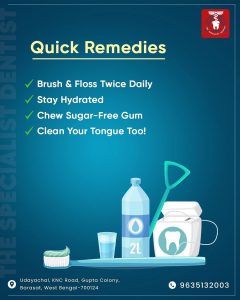
Important preventive measures include:
- Schedule regular dental examinations.
- Maintain consistent professional dental cleaning when recommended.
- Follow your dentist’s oral hygiene instructions.
- Have cavities treated promptly.
- Do not ignore bleeding or swollen gums.
- Seek professional care for persistent dry mouth.
- Follow prescribed treatment plans carefully.
- Replace or maintain dental restorations when advised.
- Inform your dentist about medications that may affect your oral health.
Furthermore, regular dental visits allow problems to be detected before they become more complicated.
Possible Complications If Bad Breath Is Ignored
Persistent bad breath itself may not cause serious complications. However, the underlying condition causing it may become more problematic if left untreated.
For example, untreated gum disease can progress and affect the tissues supporting your teeth.
Likewise, untreated cavities can become deeper and may eventually affect the inner part of the tooth.
Dental infections can also worsen and require more complex treatment.
Therefore, ignoring persistent bad breath is not always advisable, particularly when it occurs alongside pain, swelling, bleeding gums, or other symptoms.
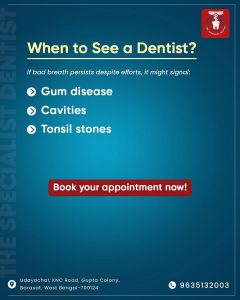
When Should You Visit a Dentist?
You should consider scheduling a dental appointment if your bad breath:
- Continues for several weeks
- Returns quickly after brushing
- Occurs alongside bleeding gums
- Is associated with a persistent bad taste
- Comes with tooth sensitivity or pain
- Occurs with swollen or painful gums
- Is accompanied by loose teeth
- Occurs despite maintaining good oral hygiene
- Is affecting your confidence or social life
Furthermore, if you notice facial swelling, significant dental pain, fever, or difficulty swallowing, seek prompt professional medical or dental attention.
Myths vs Facts About Bad Breath
Myth: Bad breath always means poor oral hygiene.
Fact: Poor oral hygiene can contribute to bad breath, but gum disease, cavities, dry mouth, infections, and non-dental conditions can also play a role.
Myth: Mouthwash permanently cures bad breath.
Fact: Mouthwash may temporarily reduce odor, but it does not necessarily treat the underlying cause.
Myth: If your teeth do not hurt, there is no dental problem.
Fact: Some dental problems, including gum disease and early cavities, may not cause noticeable pain.
Myth: Bad breath only comes from the stomach.
Fact: Most persistent bad breath cases are associated with conditions inside the mouth.
Myth: Professional cleaning is only for people with poor oral hygiene.
Fact: Professional cleaning can help remove plaque and tartar and support long-term oral health as part of an individualized dental care plan.
Long-Term Oral Health Importance
Your oral health is closely connected to your everyday comfort, confidence, and quality of life.
Persistent bad breath should therefore be considered more than a social inconvenience.
For example, untreated gum disease can affect the supporting tissues around your teeth. Likewise, untreated decay can progress and eventually require more extensive treatment.
Regular dental examinations allow your dentist to monitor your teeth and gums over time.
Moreover, preventive care can help identify changes before they develop into larger problems.
A healthy mouth is not simply about having clean-looking teeth. Healthy gums, properly treated teeth, good saliva function, and regular professional care all contribute to better oral health.
Conclusion
Bad breath that won’t go away should not simply be dismissed as a cosmetic problem.
While temporary bad breath is common, persistent odor can sometimes indicate gum disease, cavities, tartar buildup, dry mouth, oral infections, tonsil stones, sinus problems, or another underlying condition.
Therefore, the most effective approach is to identify the cause through professional evaluation rather than continuously trying to mask the smell.
Regular dental checkups, professional cleaning when required, timely treatment of cavities and gum disease, and personalized oral care can all support better long-term oral health.
If you have been struggling with persistent bad breath, do not feel embarrassed to discuss it with your dentist. It is a common concern, and identifying the underlying cause is the first step toward appropriate treatment.
Book Your Dental Consultation
Persistent bad breath deserves professional attention—especially when it keeps returning despite regular oral care.
Book a dental appointment today for a comprehensive oral examination and personalized guidance.
Visit The Specialist Dentist for professional dental care and take the first step toward healthier teeth, healthier gums, and fresher breath.
Schedule your dental checkup today. Contact The Specialist Dentist for a consultation.

[dental clinic near me, dentist near barasat, barasat dentistry, dental clinic near me, dentist near barasat, barasat dentistry, dental clinic near me, dentist near barasat, barasat dentistry, dental clinic near me, dentist near barasat, barasat dentistry, dental clinic near me, dentist near barasat, barasat dentistry, dental clinic near me, dentist near barasat, barasat dentistry, dental clinic near me, dentist near barasat, barasat dentistry, dental clinic near me, dentist near barasat, barasat dentistry, dental clinic near me, dentist near barasat, barasat dentistry, dental clinic near me, dentist near barasat, barasat dentistry, dental clinic near me, dentist near barasat, barasat dentistry, dental clinic near me, dentist near barasat, barasat dentistry, dental clinic near me, dentist near barasat, barasat dentistry, dental clinic near me, dentist near barasat, barasat dentistry, dental clinic near me, dentist near barasat, barasat dentistry]