

The Silent Damage: Everyday Habits That Are Secretly Ruining Your Teeth
Introduction
You brush your teeth every day. You visit the dentist when necessary. You may even consider yourself careful about your oral health. However, some habits that damage teeth can become part of your daily routine without you realizing their long-term effects.
Something as simple as chewing ice, frequently sipping sugary drinks, brushing too aggressively, or using your teeth to open packages may seem harmless. Over time, however, these behaviors can place repeated stress on your teeth and gums.
Moreover, dental damage does not always happen overnight. Some habits gradually weaken tooth enamel, increase sensitivity, contribute to cracks, or create conditions that allow cavities and gum disease to develop.
The good news is that recognizing these behaviors is an important first step. Therefore, understanding which everyday habits can affect your teeth can help you make better decisions and seek professional dental care when necessary.
In this article, we explore the most common habits that damage teeth, why they can be harmful, the symptoms you should watch for, and the professional treatments available when damage has already occurred.
What Are Habits That Damage Teeth?
Habits that damage teeth are repeated behaviors that can gradually affect tooth enamel, gums, tooth structure, or the tissues supporting your teeth.
Some habits cause direct physical damage. Others increase exposure to acids or sugar, encourage bacterial buildup, or place excessive pressure on the teeth.
For example, chewing ice can create cracks or chips, while frequently consuming sugary or acidic drinks can contribute to enamel erosion and tooth decay.
Furthermore, the effect of a habit depends on factors such as frequency, duration, existing dental conditions, and individual oral health.
Therefore, a habit that causes little trouble for one person may create significant problems for another.

12 Everyday Habits That Can Secretly Harm Your Teeth
1. Chewing Ice
Ice may seem harmless because it is simply frozen water. However, chewing hard ice can place significant mechanical stress on teeth.
Teeth are strong, but they are not designed to function as tools for crushing hard objects repeatedly.
Regular ice chewing may increase the risk of:
- Cracked teeth
- Chipped enamel
- Damaged dental fillings
- Tooth sensitivity
- Jaw discomfort
Moreover, if a tooth already has a large filling, crack, or weakened structure, the risk of damage may be greater.
If you regularly chew ice and notice tooth sensitivity or a chipped tooth, schedule a dental examination.
2. Using Your Teeth as Tools
Have you ever used your teeth to open a packet, cut a piece of tape, hold an object, or loosen a cap?
This is one of the most common habits that damage teeth.
Although teeth may seem convenient for small tasks, using them as tools can create sudden pressure on individual teeth.
As a result, you may experience:
- Chips
- Cracks
- Broken fillings
- Tooth fractures
- Jaw strain
In addition, the damage may occur suddenly and without warning.
Your teeth are designed for biting and chewing food, not opening packages or manipulating objects.
3. Brushing Your Teeth Too Aggressively
Brushing is essential for oral health. However, more force does not necessarily mean better cleaning.
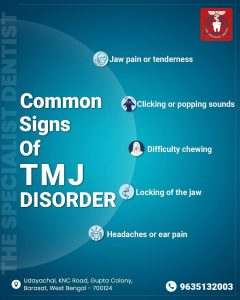
Aggressive brushing can contribute to gum irritation and gradual wear near the gumline. In some people, it may also contribute to gum recession or increased sensitivity.
Therefore, brushing technique matters as much as brushing regularly.
If you experience persistent sensitivity, gum recession, or discomfort while brushing, ask your dentist to assess your teeth and gums.
A dental professional can also review your brushing technique and recommend an appropriate oral hygiene approach.
4. Frequently Sipping Sugary Drinks
Drinking sugary beverages occasionally is different from repeatedly exposing your teeth to sugar throughout the day.
When you frequently sip sugary drinks, oral bacteria can use available sugars and produce acids. Repeated acid exposure can increase the risk of tooth decay.
This may occur with:
- Soft drinks
- Sweetened tea or coffee
- Energy drinks
- Sweetened juices
- Other sugary beverages
Moreover, the frequency of exposure matters.
Therefore, continuously sipping a sugary drink over several hours may expose your teeth to repeated acid attacks.
If you regularly consume sugary beverages and notice sensitivity, cavities, or other dental changes, discuss your oral health with a dentist.
5. Frequent Consumption of Acidic Drinks
Acidic beverages can contribute to enamel erosion, which means gradual loss of the hard outer layer of the tooth.
Common acidic beverages include some soft drinks, energy drinks, fruit-based beverages, and other acidic products.
Unlike a cavity, enamel erosion involves chemical wear rather than bacterial decay.
However, both conditions can contribute to sensitivity and tooth damage.
Over time, significant enamel loss may make teeth appear more worn and increase sensitivity.
Consequently, frequent exposure to acidic drinks should be considered when evaluating unexplained tooth sensitivity or enamel wear.
6. Grinding or Clenching Your Teeth
Some people grind or clench their teeth, particularly during sleep. This is commonly called bruxism.
Others may clench their teeth during periods of concentration, stress, or emotional tension.
Repeated excessive pressure can contribute to:
- Tooth wear
- Cracks
- Chipped teeth
- Jaw discomfort
- Headaches
- Increased sensitivity
Furthermore, dental restorations such as crowns or fillings may also be affected by excessive forces.
If you wake up with jaw discomfort, notice unusual tooth wear, or have unexplained dental damage, speak with your dentist.
Professional evaluation can help determine whether teeth grinding or clenching may be contributing to the problem.
7. Constant Snacking
Snacking itself is not necessarily harmful to your teeth. However, frequent eating throughout the day can increase the number of times your teeth are exposed to food-related acids.
This becomes particularly important when snacks contain fermentable carbohydrates or sugars.
Each exposure can influence the environment inside your mouth.
Therefore, repeatedly eating or drinking throughout the day may increase the risk of tooth decay, particularly when combined with inadequate oral hygiene.
Your dentist can assess your cavity risk and recommend a personalized preventive care plan.

8. Ignoring Dental Checkups
One of the most damaging habits may be something people do not do at all: skipping regular dental examinations.
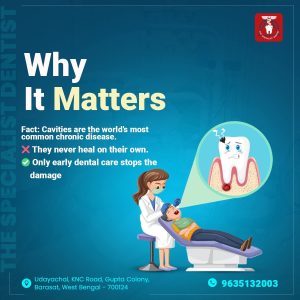
Some dental problems do not cause obvious symptoms in their early stages.
For example, a cavity may develop before significant pain appears. Similarly, gum disease may progress without severe discomfort.
Consequently, waiting until something hurts can sometimes mean that the condition has already advanced.
Regular dental examinations allow your dentist to identify early changes and recommend appropriate treatment.
9. Smoking and Tobacco Use
Tobacco use can have significant effects on oral health.
It is associated with an increased risk of gum disease and can affect the tissues inside the mouth. Tobacco use can also contribute to tooth discoloration and persistent bad breath.
Furthermore, tobacco can affect the body’s ability to respond to gum infections and can complicate the management of periodontal disease.
For these reasons, tobacco use is an important risk factor that your dentist should know about during an oral health assessment.
If you use tobacco, discuss your oral health risks with your dental professional.
10. Ignoring Persistent Dry Mouth
Saliva plays an important role in protecting your mouth.
It helps lubricate oral tissues, supports swallowing, and contributes to the natural cleaning of the teeth.
When saliva production is reduced, the risk of dental problems can increase.
Persistent dry mouth may be associated with:
- Certain medications
- Some medical conditions
- Mouth breathing
- Salivary gland problems
- Dehydration
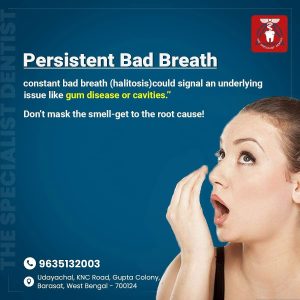
Moreover, dry mouth can increase the risk of tooth decay, bad breath, and oral discomfort.
Therefore, persistent dryness should be discussed with your dentist rather than ignored.
11. Frequently Chewing Hard Foods or Objects
Teeth are designed to break down food, but repeatedly biting very hard substances can place unnecessary stress on them.
Hard objects and foods may contribute to chips or cracks, particularly when teeth are already weakened.
This risk may be greater in teeth that have:
- Large fillings
- Extensive decay
- Previous root canal treatment
- Existing cracks
- Significant enamel wear
Therefore, if you regularly bite hard objects or substances and develop sudden sensitivity or a broken tooth, professional assessment is important.
12. Ignoring Early Signs of Dental Problems
Perhaps the most important habit to change is ignoring small changes.
You might notice:
- Mild tooth sensitivity
- Occasional gum bleeding
- A rough edge on a tooth
- A small chip
- Persistent bad breath
- Food repeatedly getting trapped
- Slight tooth discoloration
It is easy to assume these symptoms will disappear.
However, early symptoms can sometimes indicate an underlying dental problem.
As a result, delaying an examination may allow a manageable issue to become more complicated.
Your mouth often gives you warning signs before a dental problem becomes severe.
Common Symptoms of Tooth Damage
Different habits can produce different symptoms.
Common signs include:
- Tooth sensitivity
- Pain when chewing
- Persistent toothache
- Chipped or cracked teeth
- Rough tooth edges
- Increased tooth wear
- Gum recession
- Bleeding gums
- Jaw pain
- Headaches associated with clenching
- Persistent bad breath
- Recurrent cavities
However, some dental damage may not cause symptoms initially.
Therefore, regular dental examinations remain important even when your teeth feel normal.
Main Causes and Risk Factors
Everyday habits are only one part of the picture.
Your risk of tooth damage can also depend on:
- Oral hygiene
- Diet
- Frequency of sugar and acid exposure
- Existing cavities
- Gum disease
- Tooth alignment
- Previous dental treatments
- Teeth grinding
- Tobacco use
- Dry mouth
- Age
- Certain medications
- Genetic factors
Moreover, several risk factors can occur together.
For example, someone with dry mouth who frequently consumes sugary drinks may have a higher risk of tooth decay.
Therefore, dental care should be personalized rather than based on one factor alone.
Why Early Diagnosis Matters
Dental damage often becomes harder to manage when treatment is delayed.
For example, early decay may require a relatively straightforward restoration. However, advanced decay may affect the inner part of the tooth and require root canal treatment or another procedure.
Similarly, minor enamel damage may be monitored and managed, while a severely fractured tooth may require more extensive treatment.
Consequently, early diagnosis can help preserve natural tooth structure and reduce the risk of complications.
Regular dental examinations are therefore an important part of preventive dentistry.
Professional Treatment Options
Treatment depends on the type and severity of damage.
Dental Fillings
If tooth decay has created a cavity, your dentist may recommend a filling to restore the affected tooth.
The exact treatment depends on the location and extent of the decay.
Dental Bonding
For certain minor chips or cosmetic concerns, dental bonding may be an appropriate treatment.
A tooth-colored material can be professionally applied and shaped to restore the appearance and function of the tooth.
Dental Crowns
A crown may be recommended when a tooth has significant structural damage or has become weakened.
It covers the affected tooth and can help restore strength and function when clinically appropriate.
Root Canal Treatment
If decay, trauma, or another problem affects the inner tissue of the tooth, root canal treatment may be necessary.
The goal is to remove infected or damaged tissue, clean the tooth internally, and preserve the natural tooth where possible.
Treatment for Gum Disease
If habits or other factors have contributed to gum problems, professional periodontal treatment may be required.
Your dentist will assess the severity and recommend an appropriate treatment plan.
Management of Teeth Grinding
If bruxism is contributing to tooth wear or jaw problems, your dentist can evaluate the condition and recommend suitable professional management.
In some cases, a custom dental appliance may be considered.
Benefits of Professional Dental Treatment
Professional dental care provides several important advantages.
Protects Natural Teeth
Early treatment can help preserve healthy tooth structure whenever possible.
Identifies Hidden Problems
Dental examinations can identify problems that may not yet cause pain.
Prevents Progression
Treating dental disease early can reduce the risk of more extensive damage.
Improves Comfort
Professional treatment can address sensitivity, pain, damaged teeth, and gum problems.
Supports Long-Term Oral Health
Regular professional care helps maintain healthy teeth and gums over time.
Furthermore, your dentist can help identify habits that may be contributing to recurring problems.
Prevention Tips for Protecting Your Teeth
Changing harmful habits can play an important role in maintaining oral health.
Consider the following professional recommendations:
- Use your teeth only for eating and chewing food.
- Avoid chewing ice or unnecessarily hard objects.
- Follow your dentist’s recommended brushing technique.
- Attend regular dental checkups.
- Have dental problems evaluated early.
- Discuss persistent sensitivity with your dentist.
- Tell your dentist if you grind or clench your teeth.
- Follow professional recommendations for managing dry mouth.
- Limit repeated exposure to sugary and acidic drinks as advised by your dental professional.
- Seek professional care for damaged, cracked, or chipped teeth.
Moreover, prevention is most effective when it is personalized to your individual risk factors.
Possible Complications If Tooth Damage Is Ignored
Small dental problems can sometimes become larger problems when ignored.
For example, a tiny crack may worsen under repeated chewing pressure.
Similarly, untreated tooth decay can progress deeper into the tooth and eventually cause infection.
Gum problems may also progress and affect the tissues supporting your teeth.
Potential complications include:
- Severe tooth pain
- Dental infection
- Tooth fracture
- Tooth loss
- Advanced gum disease
- Increased sensitivity
- Difficulty chewing
- More complex dental treatment
Therefore, early professional assessment is usually preferable to waiting for severe symptoms.
When Should You Visit a Dentist?
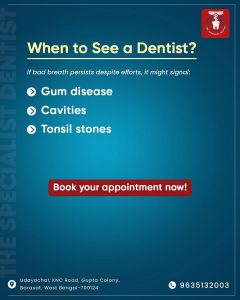
Schedule a dental examination if you notice:
- Persistent tooth sensitivity
- Pain while chewing
- A cracked or chipped tooth
- Unexplained tooth wear
- Regular gum bleeding
- Gum recession
- Persistent bad breath
- Loose teeth
- Jaw pain
- Frequent headaches associated with clenching
- Recurrent cavities
- A sudden change in your bite
Furthermore, significant facial swelling, severe dental pain, fever, or difficulty swallowing or breathing requires prompt professional attention.
Myths vs Facts
Myth 1: Harder brushing cleans teeth better.
Fact: Excessive brushing pressure can irritate the gums and contribute to wear around the gumline. Proper technique is more important than excessive force.
Myth 2: Teeth are strong enough to open packages.
Fact: Using teeth as tools can cause chips, cracks, and fractures.
Myth 3: If a tooth does not hurt, it is healthy.
Fact: Some cavities, gum problems, and other dental conditions can develop without significant pain.
Myth 4: Tooth sensitivity is always normal.
Fact: Persistent or increasing sensitivity can have an underlying cause and should be professionally evaluated.
Myth 5: Grinding only affects the jaw.
Fact: Teeth grinding can contribute to tooth wear, cracks, sensitivity, headaches, and jaw discomfort.
Myth 6: Dental checkups are only necessary when you have a problem.
Fact: Preventive dental examinations can identify problems before they become more advanced.
Long-Term Oral Health Importance
Your teeth are designed to last for many years, but they still require consistent care.
Small habits repeated every day can have cumulative effects. Therefore, protecting your teeth is not only about treating problems when they occur. It is also about reducing avoidable stress and damage.
Regular professional examinations allow your dentist to monitor enamel, gums, existing restorations, tooth wear, and other changes.
Moreover, preventive dentistry can help you understand your individual risk factors and make informed decisions about your oral health.
Your daily routine matters. However, professional dental care remains an important part of maintaining healthy teeth and gums throughout life.

Conclusion
Many habits that damage teeth are surprisingly ordinary. Chewing ice, using your teeth as tools, brushing too aggressively, frequently consuming sugary or acidic drinks, grinding your teeth, and skipping dental checkups can all contribute to oral health problems over time.
However, recognizing these habits gives you an opportunity to protect your teeth before significant damage occurs.
Therefore, do not ignore sensitivity, cracks, gum bleeding, tooth wear, persistent pain, or other changes in your mouth. Professional dental evaluation can identify the cause and determine whether treatment is needed.
Remember, dental damage is not always painful at first. Small warning signs can sometimes be the earliest indication that your teeth need professional attention.
Protect your smile today so that your natural teeth can continue to serve you well for years to come.
Book Your Dental Consultation
Your daily habits can affect your teeth more than you realize.
If you have tooth sensitivity, pain, cracks, gum problems, unusual tooth wear, or any other dental concern, do not wait for the problem to become severe.
Book a dental appointment today for a professional oral examination and personalized treatment guidance.
Visit The Specialist Dentist for comprehensive dental care, preventive checkups, diagnosis, and treatment.
Schedule your regular dental checkup and take the next step toward healthier teeth and gums. Contact the clinic today for professional dental care.
[dentist near me, dental clinic near barasat, dentist near me, dental clinic near barasat, dentist near me, dental clinic near barasat, dentist near me, dental clinic near barasat, dentist near me, dental clinic near barasat, dentist near me, dental clinic near barasat, dentist near me, dental clinic near barasat, dentist near me, dental clinic near barasat, dentist near me, dental clinic near barasat, dentist near me, dental clinic near barasat, dentist near me, dental clinic near barasat, dentist near me, dental clinic near barasat, dentist near me, dental clinic near barasat, dentist near me, dental clinic near barasat, dentist near me, dental clinic near barasat, dentist near me, dental clinic near barasat]