

Think Your Teeth Are Healthy? 10 Surprising Dental Problems That Often Go Unnoticed
Introduction
Do your teeth feel completely fine? No pain, no sensitivity, no visible cavities, and no obvious changes to your smile? It is easy to assume that everything is healthy. However, dental problems that go unnoticed are surprisingly common because many oral conditions can develop quietly before they cause noticeable symptoms.
For example, early tooth decay may not hurt. Similarly, gum disease can progress without significant pain, while cracks, enamel wear and problems beneath existing dental restorations may not be visible in a mirror.
In fact, waiting for pain before seeing a dentist can sometimes mean that a problem has already progressed.
This is why regular dental examinations are important even when your teeth feel perfectly normal. A professional examination allows a dentist to identify changes that you may not be able to see or feel yourself.
Therefore, knowing what can hide beneath the surface can help you understand why preventive dental care matters.
What Are Dental Problems That Go Unnoticed?
Dental problems that go unnoticed are oral health conditions that may develop without obvious pain, visible damage or other clear warning signs.
The mouth can sometimes tolerate changes for a surprisingly long time. Consequently, a person may have an oral health problem while continuing to eat, speak and smile normally.
However, the absence of symptoms does not necessarily mean the absence of disease.
Some problems can only be identified through a professional examination, dental imaging or other diagnostic procedures.
Therefore, regular dental checkups are an important part of maintaining oral health, even when everything seems normal.
Why Can Dental Problems Develop Without Pain?
Pain is only one possible symptom of a dental problem.
For instance, tooth decay can begin by affecting the outer enamel without immediately reaching the sensitive inner structures of the tooth.
Similarly, gum disease can begin with changes in the gums before significant discomfort develops.
Furthermore, some cracks or infections may produce intermittent symptoms that disappear temporarily.
As a result, people may assume the problem has resolved when it has actually remained present.
This is one reason dentists emphasize prevention and routine examinations rather than waiting for pain to appear.
10 Dental Problems That Often Go Unnoticed
1. Early Tooth Decay
Tooth decay is one of the most common dental problems, yet it does not always cause immediate symptoms.
Cavities develop when acids produced by bacteria gradually damage tooth structure. In the early stages, the affected area may not hurt at all.
Therefore, you may have early decay without realizing anything is wrong.
What to Watch For
Possible signs can include:
- White or chalky areas on enamel
- Brown or dark discoloration
- Increasing sensitivity
- Food getting trapped repeatedly in one area
- A visible hole or rough area
However, some early lesions may have no noticeable signs.
Why It Matters
If decay continues, it can move deeper into the tooth.
Eventually, it may affect the pulp, causing significant pain or infection.
Consequently, identifying decay early can allow a dentist to manage it before it becomes more extensive.
2. Gum Disease
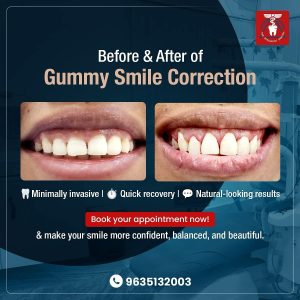
Many people associate gum disease with severe pain.
However, early gum disease may cause little or no discomfort.
Gum disease begins with inflammation caused by plaque accumulation around the teeth. If it progresses, it can affect the tissues and bone that support your teeth.
Possible Warning Signs
Watch for:
- Bleeding while brushing or cleaning between teeth
- Red or swollen gums
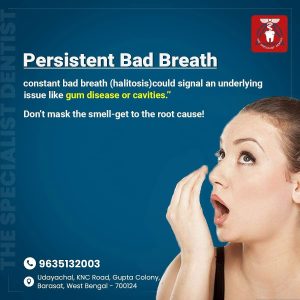
- Persistent bad breath
- Tender gums
- Gum recession
- Loose teeth
However, some people may have gum disease without obvious symptoms.
Therefore, professional gum examinations are important.
Why It Matters
Untreated periodontal disease can damage the structures supporting the teeth and may eventually contribute to tooth loss.
Furthermore, gum health is an important part of overall oral health.
3. Cracked Teeth
A cracked tooth may not always be obvious.
Some cracks are too small to see in a mirror. Moreover, the pain may occur only when you bite or chew in a particular way.
Consequently, people may dismiss occasional discomfort as normal sensitivity.
Possible Symptoms
A cracked tooth may cause:
- Pain while biting
- Pain when releasing a bite
- Intermittent sensitivity
- Sensitivity to hot or cold
- Unexplained discomfort
- Pain that is difficult to locate
However, symptoms can vary depending on the location and depth of the crack.
Why It Matters
A crack can potentially extend deeper into the tooth.
Therefore, recurring or unexplained pain in one tooth should be assessed by a dentist.
4. Enamel Erosion
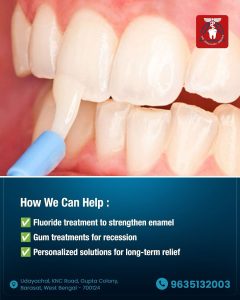
Enamel erosion occurs when acids gradually wear away the protective outer layer of a tooth.
Unlike a traditional cavity, erosion is not caused primarily by bacteria creating a hole in the tooth. Instead, repeated acid exposure can soften and wear the enamel.
Possible Signs
You may notice:
- Increased sensitivity
- Teeth appearing more yellow
- Flattened or worn tooth edges
- Changes in tooth shape
- Increased transparency at the edges
However, early enamel erosion may be difficult to notice yourself.
Why It Matters
Enamel does not grow back once it has been permanently lost.
Therefore, identifying the cause of enamel wear early can help prevent further damage.
5. Tooth Wear
Teeth naturally experience some wear throughout life.
However, excessive wear can occur because of factors such as grinding, clenching, acidic exposure or other causes.
In some cases, the process happens gradually enough that patients do not notice it.
Possible Signs
- Flattened teeth
- Shorter-looking teeth
- Increased sensitivity
- Small chips
- Changes in the way your teeth meet
- Jaw discomfort in some cases
Moreover, severe tooth wear can affect both appearance and function.
Therefore, unusual changes in tooth shape should be evaluated professionally.
6. Hidden Dental Infection
An infection inside or around a tooth may not always produce severe pain immediately.
For example, a tooth with a damaged or infected pulp can sometimes have periods of mild symptoms or even no obvious symptoms.
However, the underlying infection may continue to affect the surrounding tissues.
Possible Warning Signs
Some patients may notice:
- Mild or recurring toothache
- Sensitivity
- Swelling
- Tenderness around a tooth
- A pimple-like swelling on the gum
- Bad taste
- Discoloration of a tooth
However, symptoms can vary significantly.
Why It Matters
Dental infections require professional assessment and treatment.
If infection spreads beyond the tooth and surrounding tissues, it can become a more serious health concern.
Therefore, unexplained swelling or recurring dental pain should never be ignored.
7. Problems Under Dental Fillings or Crowns
Dental restorations are designed to restore damaged teeth.
However, a tooth underneath a filling or crown can develop new decay, cracks or other problems.
Because the restoration covers part of the tooth, changes may not always be visible to you.
Possible Signs
You might notice:
- New sensitivity
- Pain while chewing
- Food trapping
- A loose or damaged restoration
- Changes around the edge of a crown or filling
Nevertheless, some problems can remain symptom-free.
Therefore, dentists routinely monitor existing restorations during examinations.
8. Impacted Wisdom Teeth
Wisdom teeth are the final molars to develop.
In some people, there is insufficient space for them to erupt normally. Consequently, they may remain partially or completely trapped within the jaw.
An impacted wisdom tooth does not always cause immediate pain.
However, it may create problems around neighboring teeth or gums.
Potential Problems
These can include:
- Gum inflammation
- Infection
- Food trapping
- Damage to neighboring teeth
- Tooth decay
- Cysts in certain cases
Therefore, dentists may recommend monitoring or treatment depending on the position and condition of the wisdom tooth.
Dental imaging can be particularly useful when assessing impacted teeth.
9. Gum Recession
Gum recession occurs when gum tissue moves away from the tooth.
It can happen gradually and may not cause pain.
However, recession can expose part of the tooth root.
Because the root surface does not have the same enamel protection as the crown, exposure may increase sensitivity and vulnerability to decay.
Possible Signs
You may notice:
- Teeth appearing longer
- Increased sensitivity
- A visible change near the gum line
- Notches or grooves near the roots
However, early gum recession may be difficult to identify without professional examination.
10. Oral Lesions and Abnormal Tissue Changes
Not every unusual change in the mouth is dangerous.
However, persistent changes in the lips, tongue, cheeks, gums or other oral tissues should be evaluated by a dental professional.
Examples include:
- Persistent sores
- Unexplained patches
- Lumps
- Thickened areas
- Changes that do not heal normally
- Unusual color changes
Most oral changes have benign causes. Nevertheless, professional evaluation is important because early identification of concerning changes can improve the chances of appropriate treatment.
Therefore, do not ignore a persistent abnormal area simply because it does not hurt.
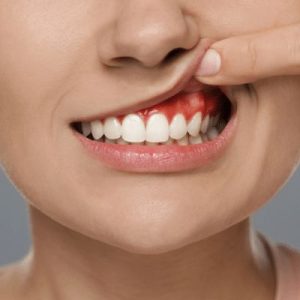
Common Symptoms You Should Not Ignore
Although many dental problems can remain hidden, certain symptoms deserve professional attention.
Contact a dentist if you experience:
- Persistent tooth pain
- Repeated sensitivity
- Bleeding gums
- Swollen gums
- Facial or jaw swelling
- Pain while chewing
- Loose teeth
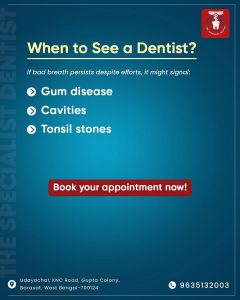
- Persistent bad breath
- A visible crack
- A broken tooth
- Changes in tooth color
- Persistent mouth sores
- A lump or unusual tissue change
- Difficulty opening your mouth
Furthermore, sudden severe pain or swelling should be assessed promptly.
Main Causes of Hidden Dental Problems
There is rarely one single cause behind an unnoticed dental condition.
Common contributing factors include:
Poor Plaque Control
Plaque can accumulate around teeth and gums, increasing the risk of decay and gum disease.
Frequent Sugar Exposure
Frequent exposure to sugars and fermentable carbohydrates can increase the risk of tooth decay.
Acid Exposure
Repeated exposure to acidic substances can contribute to enamel erosion.
Teeth Grinding
Grinding and clenching can contribute to tooth wear, cracks and jaw-related symptoms.
Previous Dental Treatment
Teeth with large fillings, crowns or other restorations may require ongoing monitoring.
Gum Recession
Exposed roots can become more vulnerable to sensitivity and decay.
Irregular Dental Checkups
When routine examinations are skipped, early problems may remain undetected for longer.
Risk Factors for Dental Problems That Go Unnoticed
Your individual risk can be affected by several factors.
These may include:
- Previous cavities
- Gum disease
- Poor oral hygiene
- Frequent sugary snacks or drinks
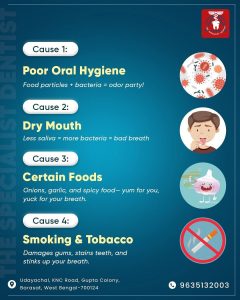
- Dry mouth
- Smoking or tobacco use
- Teeth grinding or clenching
- Existing dental restorations
- Dental trauma
- Certain medications
- Irregular dental visits
- Age-related changes
However, having none of these risk factors does not guarantee perfect oral health.
Even people who take excellent care of their teeth can develop problems.
Therefore, prevention should combine good daily care with professional monitoring.
Why Early Diagnosis Matters
Early diagnosis is one of the most valuable aspects of preventive dentistry.
A small dental problem can sometimes be treated more conservatively than an advanced one.
For example, early decay may require significantly less intervention than decay that has reached the pulp.
Similarly, identifying gum disease early may allow appropriate periodontal care before substantial supporting tissue is lost.
Furthermore, detecting a crack before it progresses may improve the chances of preserving the affected tooth.
Consequently, regular dental examinations are not simply about treating problems after they appear. They are also about identifying potential problems before they become more complicated.
How Dentists Detect Problems You Cannot See
A dental examination involves much more than simply looking at your teeth.
Depending on your needs, a dentist may assess:
- Teeth and enamel
- Gums and supporting tissues
- Existing fillings and crowns
- Bite and tooth alignment
- Signs of grinding or wear
- Areas between teeth
- Oral soft tissues
- Wisdom teeth
Dental X-rays or other imaging may also be recommended when clinically necessary.
For example, imaging can help identify certain problems that are hidden beneath the gum line or between teeth.
Therefore, professional dental examinations can reveal problems that are difficult or impossible to identify at home.
Professional Dental Treatment Options
Treatment depends entirely on the condition diagnosed.
For Tooth Decay
Treatment may involve preventive fluoride care, fillings or more extensive restorative procedures if decay has progressed.
For Gum Disease
Professional cleaning, periodontal treatment and ongoing maintenance may be recommended depending on the severity.
For Cracked Teeth
Treatment can range from protective restorations to root canal treatment or extraction in teeth that cannot be predictably restored.
For Enamel Damage
The dentist may identify and address the underlying cause and recommend appropriate preventive or restorative care.
For Infections
Dental infections require professional diagnosis and treatment. Depending on the source, treatment may include root canal therapy, drainage or extraction.
For Damaged Restorations
A dentist may repair or replace a filling, crown or other restoration when necessary.
For Impacted Wisdom Teeth
Depending on the position and associated risks, the dentist may recommend monitoring or surgical removal.
Therefore, treatment should always be based on an individual dental assessment.
Benefits of Professional Dental Care
Regular professional dental care provides several important benefits.
Early Detection
Dental examinations can identify problems before they cause significant symptoms.
Personalized Risk Assessment
Your dentist can determine which conditions you are most susceptible to.
Preventive Care
Professional preventive treatment can reduce the likelihood of certain dental problems developing or progressing.
Preservation of Natural Teeth
Early intervention can sometimes help preserve more natural tooth structure.
Monitoring Existing Problems
Previously treated teeth, restorations and other areas can be monitored over time.
Moreover, regular dental visits give you an opportunity to discuss changes you may have noticed, even if they seem minor.
Possible Complications If Dental Problems Are Ignored
A dental problem that is painless today may not remain painless tomorrow.
If untreated, certain conditions can progress and lead to:
- Increasing tooth pain
- Tooth sensitivity
- Dental infections
- Gum and bone damage
- Tooth fracture
- Difficulty chewing
- Tooth loss
- More extensive dental treatment
For example, untreated tooth decay can eventually reach the pulp and require root canal treatment or extraction.
Similarly, advanced gum disease can damage the tissues supporting the teeth.
Therefore, early professional assessment can help reduce the risk of avoidable complications.
Prevention and Regular Dental Care
Preventive dentistry is about maintaining oral health before serious problems develop.
Important steps include:
- Brush your teeth twice daily with fluoride toothpaste.
- Clean between your teeth regularly using an appropriate interdental cleaning method.
- Limit frequent exposure to sugary foods and drinks.
- Attend regular dental examinations.
- Have professional dental cleaning when recommended.
- Address persistent sensitivity or pain promptly.
- Follow your dentist’s recommendations for protecting vulnerable teeth.
- Maintain regular monitoring of existing restorations.
Furthermore, tell your dentist about changes such as bleeding gums, sensitivity, chewing discomfort or persistent oral sores.
Small details can sometimes provide important diagnostic clues.
Myths vs Facts
Myth 1: “If my teeth don’t hurt, they must be healthy.”
Fact: Many dental problems can develop without pain, especially during their early stages.
Myth 2: “Cavities always cause toothache.”
Fact: Early tooth decay may have no noticeable symptoms.
Myth 3: “Bleeding gums are normal.”
Fact: Bleeding gums can be a sign of gum inflammation and should be discussed with a dental professional.
Myth 4: “I can see every dental problem in the mirror.”
Fact: Problems between teeth, beneath restorations, below the gum line or inside teeth may not be visible.
Myth 5: “I only need a dentist when something hurts.”
Fact: Preventive examinations help detect problems before pain develops.
Myth 6: “Good brushing means I don’t need dental checkups.”
Fact: Daily oral hygiene is essential, but professional examinations can identify problems that routine brushing cannot detect.
When Should You Visit a Dentist?
You should schedule a dental examination if you notice any unusual change in your mouth.
However, you should also maintain regular checkups even when you feel healthy.
Consider visiting your dentist if you experience:
- New or persistent tooth sensitivity
- Tooth pain
- Bleeding gums
- Swelling
- Persistent bad breath
- A chipped or cracked tooth
- A loose tooth
- Changes in your bite
- A persistent mouth sore
- A lump or unusual patch
- Changes around an existing filling or crown
Furthermore, if you have not had a dental examination for a long time, scheduling one can help establish your current oral health status.
Long-Term Oral Health Importance
Good oral health is not simply about having a bright smile.
Healthy teeth and gums support comfortable eating, clear speech and overall quality of life.
Moreover, maintaining your natural teeth requires ongoing attention. Your oral health can change because of age, diet, medications, dental restorations, gum health and daily habits.
Therefore, a dental checkup should not be viewed only as a response to pain.
Instead, it should be part of a long-term preventive health routine.
Even if your teeth look healthy in the mirror, profeonal examinations can identify changes that are too small, too deep or too hidden for you to detect yourself.

Conclusion
Your teeth may feel healthy today, but that does not always tell the full story.
There are many dental problems that go unnoticed, including early tooth decay, gum disease, cracked teeth, enamel erosion, tooth wear, hidden infections, problems beneath restorations, impacted wisdom teeth and gum recession.
However, discovering a dental problem early can make a significant difference in how it is managed.
Therefore, do not wait for pain before taking your oral health seriously. Regular dental examinations, professional preventive care and timely treatment can help protect your natural teeth and maintain healthy gums for the long term.
A healthy-looking smile deserves a professional checkup, too.
Book Your Dental Consultation Today
Think your teeth are healthy? Make sure they really are.
Book a dental appointment for a comprehensive oral examination and professional consultation. Your dentist can assess your teeth, gums, existing restorations and overall oral health, while identifying problems that may otherwise remain unnoticed.
Schedule your regular dental checkup today and take a proactive step toward protecting your smile for years to come.
[dental clinic near me, dentist near barasat, dental clinic near me, dentist near barasat, dental clinic near me, dentist near barasat, dental clinic near me, dentist near barasat, dental clinic near me, dentist near barasat, dental clinic near me, dentist near barasat, dental clinic near me, dentist near barasat, dental clinic near me, dentist near barasat, dental clinic near me, dentist near barasat, dental clinic near me, dentist near barasat, dental clinic near me, dentist near barasat, dental clinic near me, dentist near barasat, dental clinic near me, dentist near barasat, dental clinic near me, dentist near barasat, dental clinic near me, dentist near barasat, dental clinic near me, dentist near barasat, dental clinic near me, dentist near barasat, dental clinic near me, dentist near barasat]