Understanding Root Canal Treatment
To begin with, root canal treatment (RCT) is a procedure designed to preserve a damaged or infected tooth. Inside every tooth lies the pulp, which contains nerves and blood vessels. When this pulp becomes infected due to deep decay, cracks, or trauma, pain and swelling usually follow.
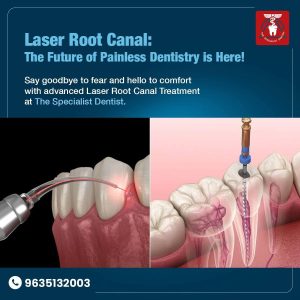
During a root canal procedure, the infected pulp is carefully removed. Then, the canals are thoroughly cleaned, disinfected, and sealed. After that, a dental crown is usually placed to restore strength and function.
As a result, the natural tooth remains in the mouth and continues to function normally.

Understanding Tooth Extraction
Tooth extraction involves the complete removal of a tooth from the jawbone. This procedure is recommended when the tooth is beyond repair or poses a risk to surrounding teeth and gums.
After extraction, the gap left behind may cause nearby teeth to shift. Over time, this can affect bite alignment, chewing efficiency, and facial structure if not replaced.
Therefore, extraction is usually considered a last resort.
Root Canal vs Tooth Extraction: Key Differences
Although both treatments aim to relieve pain and infection, they differ significantly in purpose and long-term impact.
Root Canal Treatment
-
Saves the natural tooth
-
Maintains normal chewing function
-
Prevents jawbone loss
-
Requires crown restoration
-
Higher long-term oral health benefit
Tooth Extraction
-
Removes the damaged tooth
-
Creates a gap in the mouth
-
May require replacement (implant, bridge, denture)
-
Can lead to bone loss if untreated
Who Needs Root Canal Treatment?
Root canal treatment is recommended when the tooth structure is still salvageable.
You may need a root canal if you have:
-
Persistent toothache
-
Sensitivity to hot or cold
-
Swollen or tender gums
-
Tooth discoloration
-
Pain while chewing
-
Dental abscess detected on X-ray
In such cases, saving the tooth is often the healthiest option.
Who Needs Tooth Extraction?
Tooth extraction is advised when saving the tooth is no longer possible.
Extraction may be required if:
-
The tooth is severely broken below gum level
-
Infection has destroyed most of the tooth structure
-
Advanced gum disease has loosened the tooth
-
Wisdom teeth are impacted or problematic
-
Previous root canal treatment has failed completely
A detailed dental examination helps decide the right approach.
Long-Term Oral Health: Which Option Is Better?
From a long-term oral health perspective, saving your natural tooth is always preferable. Natural teeth help maintain proper bite, jawbone health, and facial balance.
Tooth extraction, on the other hand, often leads to additional treatments. Missing teeth can cause neighboring teeth to shift. This may result in bite problems and difficulty chewing.
Therefore, dentists usually recommend root canal treatment whenever possible.
Success Rate of Root Canal Treatment vs Extraction
Root Canal Treatment Success Rate
-
95–98% success rate
-
Can last a lifetime with proper care
-
Preserves natural tooth function
Tooth Extraction Outcome
-
100% removal of infection
-
Long-term success depends on tooth replacement
-
Missing tooth without replacement may cause complications
Hence, while extraction removes the problem immediately, root canal treatment offers superior long-term results.
Pain and Comfort: What to Expect
Modern dentistry has made both procedures comfortable.
-
Root canal treatment is virtually painless with anesthesia
-
Extraction discomfort is temporary but healing may take longer
-
Root canal recovery is usually quicker
Fear should never be the deciding factor when choosing treatment.

Cost Consideration
At first glance, extraction may seem less expensive. However, once replacement options like implants or bridges are considered, extraction often becomes costlier in the long run.
Root canal treatment combined with a crown is usually a more cost-effective long-term solution.
Importance of Professional Dental Evaluation
Every tooth and patient is different. Therefore, treatment decisions should never be rushed or self-made.
At The Specialist Dentist, we evaluate:
-
Tooth structure
-
Extent of infection
-
Gum and bone health
-
Long-term oral stability
This ensures the best possible outcome for your dental health.
Why Choose The Specialist Dentist?
At The Specialist Dentist, patient education and ethical treatment planning are our priorities. We focus on preserving natural teeth whenever possible while ensuring comfort and long-term success.
📍 Location: Udayachal, KNC Road, Gupta Colony, Barasat – 700124
📞 Call: 9635132003
🌐 Website: www.thespecialistdentist.in