

Hormones play a crucial role in every stage of life — from puberty to pregnancy to menopause. However, most people don’t realize that hormonal changes can also significantly affect oral health. Fluctuations in estrogen and progesterone can influence how your gums, teeth, and mouth tissues respond, making you more prone to sensitivity, inflammation, and even gum disease.
At The Specialist Dentist, Barasat, we emphasize the connection between hormones and oral health because early awareness and preventive care can protect your smile through every stage of life.
Understanding the Link Between Hormones and Oral Health
Your mouth is more than just teeth — it’s a reflection of your body’s internal balance. Hormones such as estrogen and progesterone affect blood flow to the gums, saliva production, and how your body responds to plaque bacteria. When hormone levels fluctuate, your gums can become more sensitive, inflamed, and prone to bleeding.
This is why women, during specific life phases like puberty, pregnancy, and menopause, often experience noticeable changes in their oral health.
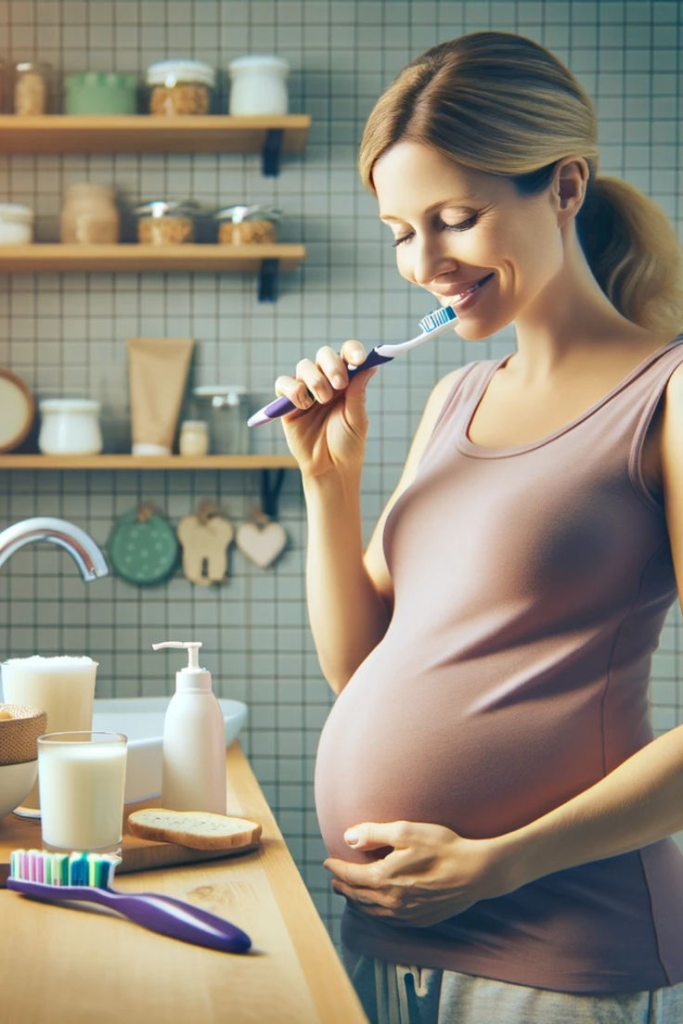
How Hormonal Changes Affect the Mouth
Hormonal changes can influence several areas of your oral health:
- Gums: May become swollen, red, or bleed easily.
- Salivary glands: Reduced saliva flow can lead to dryness or burning sensations.
- Bone health: Changes in estrogen levels may affect the strength of the jawbone.
- Healing response: Hormonal fluctuations can slow healing after dental treatments or infections.
Understanding these effects helps you take proactive measures to maintain your dental health during hormonal transitions.
Pregnancy and Oral Health
Pregnancy is a time of tremendous change — not only for your body but also for your mouth. Increased levels of hormones, particularly progesterone and estrogen, affect how your gums respond to plaque.
Common Oral Health Issues During Pregnancy
- Pregnancy Gingivitis
- One of the most common issues during pregnancy.
- Symptoms include swollen, tender, or bleeding gums.
- Usually appears between the second and eighth month of pregnancy.
- Pregnancy Tumors (Pyogenic Granulomas)
- Small, harmless lumps on the gums caused by excess plaque and hormonal changes.
- They often disappear after delivery but should be monitored by a dentist.
- Tooth Erosion
- Morning sickness and acid reflux can expose teeth to stomach acid, weakening enamel.
- Dry Mouth and Increased Saliva
- Some women experience dryness; others notice more saliva. Both are normal but may affect comfort and oral hygiene.
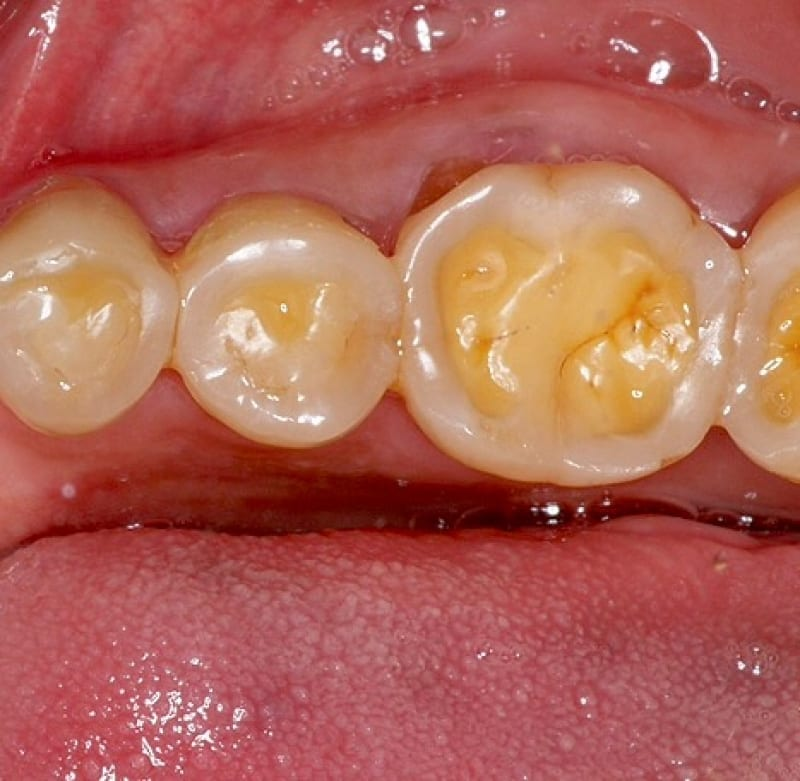
Dental Care Tips During Pregnancy
- Brush twice daily with a fluoride toothpaste.
- Floss gently but regularly to prevent plaque buildup.
- Rinse with an antimicrobial mouthwash (only if prescribed).
- Eat calcium-rich foods to support strong teeth and bones.
- Visit your dentist for a safe pregnancy dental checkup (preferably in the second trimester).
Menopause and Oral Health
Menopause marks the end of a woman’s reproductive years, bringing significant hormonal shifts — especially a drop in estrogen levels. These changes affect the entire body, including your mouth.
Common Oral Health Issues During Menopause
- Dry Mouth (Xerostomia)
- Reduced estrogen affects salivary glands, leading to dryness.
- Increases the risk of tooth decay, gum disease, and bad breath.
- Burning Mouth Syndrome
- Some women experience a burning or tingling sensation in the tongue, lips, or palate.
- Gum Disease
- Lower estrogen levels can lead to gum inflammation and bone loss around teeth.
- Altered Taste Sensation
- Changes in hormones may affect how foods taste — especially salty, sour, or metallic flavors.
- Bone Density Loss
- Decrease in estrogen can lead to bone thinning, including the jawbone, which supports your teeth. This can cause loose teeth or tooth loss over time.
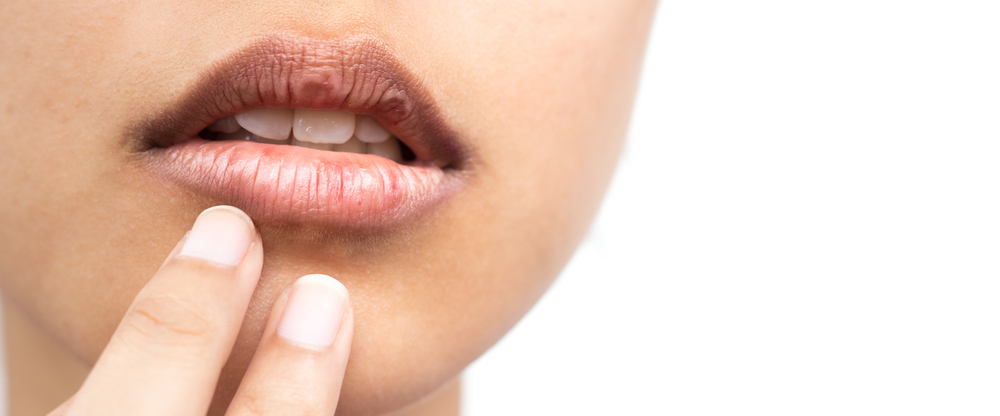
Dental Care Tips During Menopause
- Stay hydrated and sip water throughout the day.
- Use alcohol-free mouthwash to avoid worsening dryness.
- Try sugar-free gum or lozenges to stimulate saliva.
- Use fluoride toothpaste and mouth rinses to strengthen enamel.
- Schedule regular dental checkups for early detection of bone or gum changes.
- Discuss calcium and vitamin D supplements with your doctor to maintain bone health.
The Importance of Regular Dental Visits
Hormonal changes can make your gums and oral tissues more vulnerable, which means professional dental care becomes even more important during pregnancy and menopause.
At The Specialist Dentist, we recommend:
- Routine cleanings: To remove plaque buildup and prevent gum inflammation.
- Comprehensive exams: To monitor gum health and jawbone condition.
- Personalized home-care advice: Tailored to your specific hormonal phase.
We also use gentle, safe treatment methods suitable for expecting mothers and post-menopausal women.
Foods That Support Oral Health During Hormonal Changes
Nutrition plays a vital role in maintaining strong teeth and gums. Include the following in your diet:
- Calcium-rich foods: Milk, yogurt, cheese, and leafy greens.
- Vitamin D: Egg yolks, fatty fish, and sunlight exposure.
- Vitamin C: Citrus fruits, strawberries, and bell peppers for gum strength.
- Antioxidants: Nuts, green tea, and berries to fight inflammation.
- Water: Keeps your mouth hydrated and reduces bacterial buildup.
Avoid excessive sugar, carbonated drinks, and acidic foods that can erode enamel or worsen sensitivity.
How Hormone Therapy or Medications Affect Oral Health
Some women take hormone replacement therapy (HRT) or other medications during menopause. These can also impact oral tissues by:
- Increasing or decreasing saliva flow.
- Altering taste perception.
- Causing mild gum irritation.
Always inform your dentist about any medications or supplements you’re taking. This helps us customize your dental care safely and effectively.
Why Choose The Specialist Dentist, Barasat
At The Specialist Dentist, we understand that every patient’s needs are unique — especially during hormonal transitions. Our clinic offers compassionate care with a scientific approach to maintaining oral health through all stages of life.
What Sets Us Apart:
- Experienced dentists trained in women’s oral health.
- Safe dental treatments during pregnancy and menopause.
- Advanced equipment and hygiene protocols.
- Personalized advice for hormonal-related oral issues.
📍 Location: Udayachal, KNC Road, Gupta Colony, Barasat – 700124
📞 Contact: 9635132003
🌐 Visit: www.thespecialistdentist.in
Frequently Asked Questions (FAQs)
1. Can I visit the dentist during pregnancy?
Yes! Dental checkups and cleanings are safe and recommended during pregnancy, preferably in the second trimester.
2. Is gum bleeding normal during menopause?
Mild gum bleeding can occur due to hormonal changes, but it’s important to get it checked to rule out gum disease.
3. Can hormonal changes cause bad breath?
Yes, reduced saliva flow during menopause or pregnancy can lead to bad breath. Staying hydrated and maintaining good hygiene helps.
Conclusion
Your oral health is closely linked to your hormonal health. From pregnancy to menopause, hormonal fluctuations can influence your gums, teeth, and jawbone — but with the right care, these effects can be managed effectively.
At The Specialist Dentist, we provide expert, gentle, and personalized care for women at every life stage, ensuring that your smile stays strong and healthy no matter what hormonal changes come your way.
Book Your Consultation Today!
Take charge of your oral health today.
👉 Visit The Specialist Dentist, Udayachal, KNC Road, Gupta Colony, Barasat – 700124
📞 Call 9635132003 or
🌐 Book online at www.thespecialistdentist.in
Your smile deserves care — at every stage of life. 💙