

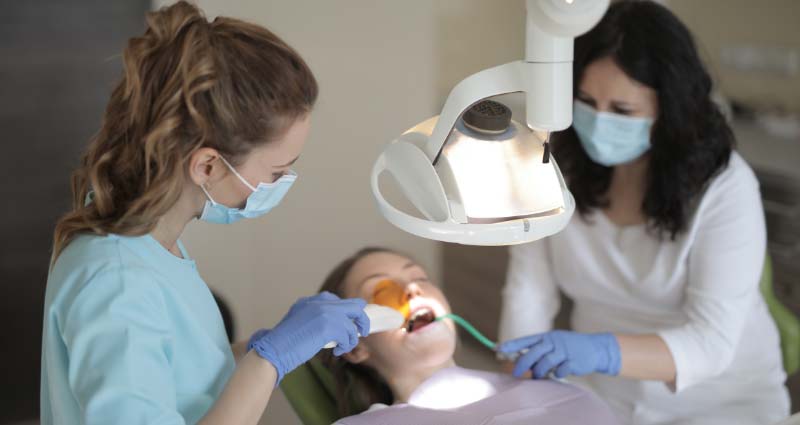
Zygomatic implants are specifically utilized in cases where there is insufficient bone to support traditional dental implants. They serve as an alternative to conventional techniques when bone availability is limited.
Zygomatic implants represent an advanced dental implant methodology, where implants are affixed to the zygomatic arch. This innovative technique serves as an alternative to traditional methods, particularly in the upper jaw (maxilla), where conventional implant placement may not be feasible due to bone deficiency.
Zygomatic implants are a viable solution when insufficient bone is present for traditional implant placement. Their longer design enables anchoring into the dense bone of the zygoma, providing robust support for implant bridgework. These implants effectively address cases of significant bone loss in the upper jaw, where traditional implants alone may not suffice to support a bridge.
Zygomatic implants serve as an alternative to dental procedures that necessitate bone grafts for implant placement, streamlining the process into a single stage. Preceding implant surgery, a CBCT scan is conducted to evaluate available bone and tailor the treatment plan accordingly.
An anatomical study model of the jaw is essential for dentists to visualize the precise shape of the jaw and cheekbone, minimizing the need for extensive surgical exposure. Typically, two zygomatic implants are employed alongside conventional implants. However, in cases of severe bone deficiency, up to four zygomatic implants may be utilized.
A fixed composite bridge can be provided temporarily on the same day as implant placement until the permanent prosthesis is fixed.
Difference between Zygomatic Implants and Regular Dental Implants
While conventional implants anchor to the jawbones, zygomatic implants derive their strength from anchoring into the dense zygomatic arch.
Conventional implants require sufficient bone for anchorage, whereas zygomatic implants, being longer and with dense anchorage, can be placed in bone-deficient areas.
This eliminates the need for bone grafts, enabling the procedure to be completed in a single session and facilitating faster healing.
Previously, to address bone deficiency, various bone augmentation procedures were devised. These involved harvesting bone from a donor site, such as the hip, and transplanting it to the recipient site before implant placement. This procedure necessitated general anesthesia and typically required hospitalization for two to three days. Additionally, morbidity related to the donor site was anticipated.
Recently, synthetic bone grafts have been increasingly utilized to reduce morbidity rates. However, employing bone grafts can prolong the healing period. In some cases, patients may need to wait for over a year before receiving a fixed prosthesis.
Moreover, the use of bone grafts contributes to higher overall treatment costs. Zygomatic implants are typically inserted through the palate to engage with the body of the zygomatic arch.
When is this required?
The main indication for zygomatic implants is in the case of maxillary atrophy when traditional dental implants aren’t feasible due to insufficient bone. Zygomatic implants are suitable for providing strong anchorage required for full mouth implant-supported dentures. They are considered in cases of failed conventional implant placement or to avoid bone grafting procedures. Zygomatic implants may also be used when sinus augmentation procedures have failed or in cases of resorbed ridge. Typically, they are combined with two to four anterior maxillary axial implants for optimal outcomes.Advantages of Zygomatic Implants
Zygomatic implants provide a fixed prosthesis satisfying both functional and aesthetic requirements within 24 hours to two to three days, unlike conventional implant techniques that may take up to 6 months. Rapid Healing zygomatic implants decrease the number of days spent in the hospital and lower morbidity rates, resulting in reduced total expenditure. These implants are longer than traditional dental implants The length and anchorage enhances strength, ensuring durability and longevity. Placed in a single surgical procedure under general anesthesia, offering patients a less painful and more comfortable experience. Patients can resume normal activities, including biting and chewing regular food, as early as one day after surgery. The new set of fixed permanent teeth provided by zygomatic implants restores confidence by delivering a natural and confident smile.What are the contraindications and complexities involved in zygomatic implants?
Contraindications involve:- Severe sinus infection
- Maxillary or zygomatic pathology
- Uncontrolled or malignant systemic illness
- Bisphosphonate medication usage
- Smoking habit
Only a Specialists Job
Zygomatic implants consist of a highly specialized procedure, typically performed under general anesthesia, although nowadays they can also be carried out under conscious sedation or local anesthesia, all under specialist supervision. Such treatments are exclusively administered by dental implant specialists or oral and maxillofacial surgeons.
Zygomatic Implants in India a Case Study
Zygomatic implants offer a revolutionary solution for severe bone loss in the upper jaw, providing an alternative to traditional implants and bone grafting. Our recent case study demonstrates the effectiveness of this procedure, performed locally under anesthesia at The Specialist Dentist, with implantation and loading completed within just 7 days.
Frequently Asked Questions:
When might I need Zygomatic Implants?
Zygomatic Implants are suitable for individuals with severe bone loss in the upper jaw who are not candidates for traditional implants or bone grafting.
How much does Zygomatic Implants treatment cost in Kolkata?
Costs vary based on case complexity, implant number, and specialist fees. For an accurate estimate, consult with our specialist for personalized pricing.
How long do Zygomatic Implants last?
With proper care and maintenance, Zygomatic Implants offer lifelong durability. Regular dental check-ups and good oral hygiene are vital for long-term success.
Is the procedure painful?
Typically performed under general anesthesia or sedation, the procedure ensures minimal discomfort. Post-surgery, some swelling and discomfort may occur, managed with prescribed pain medication.

How Can We Help?
+91 9635132003
specialistdentistdrakash@gmail.com